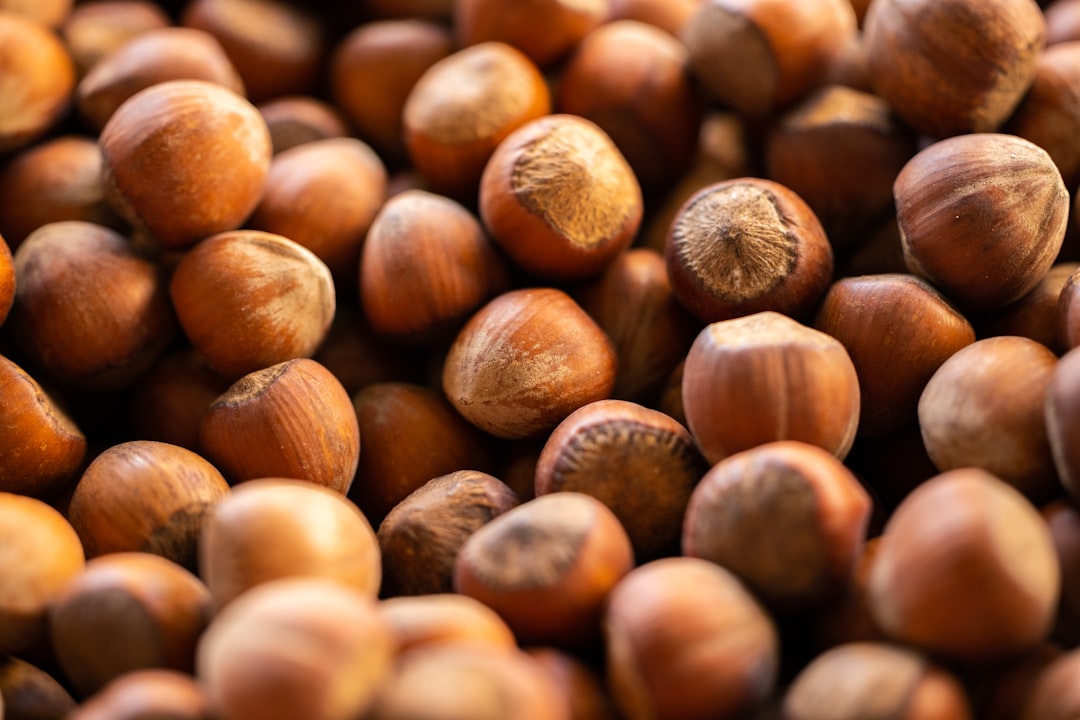
The diets react (see scores below)
Diet Ratings
Hazelnuts contain ~2g net carbs per oz with 91% fat content. Excellent keto nut choice with good micronutrient profile.
Whole plant-based tree nuts. No animal products or derivatives.
Hazelnuts are whole, unprocessed nuts with a long history of human consumption. Good source of healthy fats, minerals, and antioxidants. No processing or anti-nutrient concerns. Universally approved in paleo.
Hazelnuts are grown throughout Mediterranean regions and provide healthy monounsaturated fats, vitamin E, and antioxidants. Integral to Mediterranean nut consumption patterns.
Hazelnuts are tree nuts and plant-derived. Carnivore diet excludes all nuts and plant foods. No animal products.
Hazelnuts are whole tree nuts with no excluded ingredients. They are explicitly allowed on Whole30 as a natural fat and protein source.
Hazelnuts contain moderate fructans. Monash University data suggests small portions (approximately 10 nuts or 1 ounce) are low-FODMAP, but larger servings exceed FODMAP thresholds.
Monash University specifies portion-dependent status; some practitioners recommend avoiding entirely during strict elimination phase due to cumulative fructan load.
Tree nuts are core DASH foods. Hazelnuts provide magnesium, potassium, fiber, and monounsaturated fats. Low sodium naturally. Excellent cardiovascular nutrient profile.
Hazelnuts are ~80% monounsaturated fat, making them one of the best nut choices for Zone. Low-glycemic, rich in polyphenols and vitamin E, and support anti-inflammatory goals. Hazelnut butter or whole nuts work well as Zone fat blocks. Requires portioning but aligns perfectly with Zone principles.
Hazelnuts are excellent sources of polyphenols, vitamin E, and monounsaturated fats. Research supports anti-inflammatory benefits. Whole food form with minimal processing ideal for anti-inflammatory diet.
Hazelnuts contain 17g fat and only 4g protein per ounce (176 calories). High fat content relative to protein makes them likely to trigger nausea or bloating. Calorie-dense with poor protein density for GLP-1 patients needing 100-120g daily protein.
Nutritional profile
Six traits that cut across every diet.
Fiber & Plants
How much whole-plant food and fiber it delivers.
Healthy Fats
The quality of its fats (unsaturated, omega-3).
Whole / Unprocessed
How close it is to its natural, unprocessed form.
Gut Gentle
How easy it is on digestion (low FODMAP, few irritants).
Low Glycemic
How little it spikes your blood sugar.
Protein Density
How much protein it packs per calorie.
Controversy Index
Score range: 1–9/10. Higher controversy = more disagreement between diets.
Diet-Specific Tips for Hazelnuts
 Keto — 8/10
- 2g net carbs per ounce
- 91% fat content
- Rich in antioxidants
 Vegan — 9/10
- 100% plant-based
- Whole food
- Nutrient-dense
- No processing required
 Paleo — 8/10
- Whole, unprocessed nut
- Nutrient-dense
- Available to Paleolithic humans
- Balanced fat profile
 Mediterranean — 8/10
- Mediterranean-grown nut
- High in monounsaturated fats
- Rich in vitamin E
- Traditional in Mediterranean regions
 Whole30 — 9/10
- Whole food
- Tree nut
- No excluded ingredients
 Low-FODMAP — 5/10
- Fructan content is dose-dependent
- Monash guideline: ~10 nuts (1 oz) is low-FODMAP
- Larger portions become high-FODMAP
- Individual tolerance varies
 DASH — 8/10
- High in magnesium
- Good potassium source
- Monounsaturated fat rich
- Low sodium
- Fiber content
 Zone — 8/10
- Predominantly monounsaturated fat
- High polyphenol content
- Low-glycemic
- Excellent anti-inflammatory profile
 Anti-Inflammatory — 8/10
- High polyphenol content
- Vitamin E
- Monounsaturated fats
- Fiber