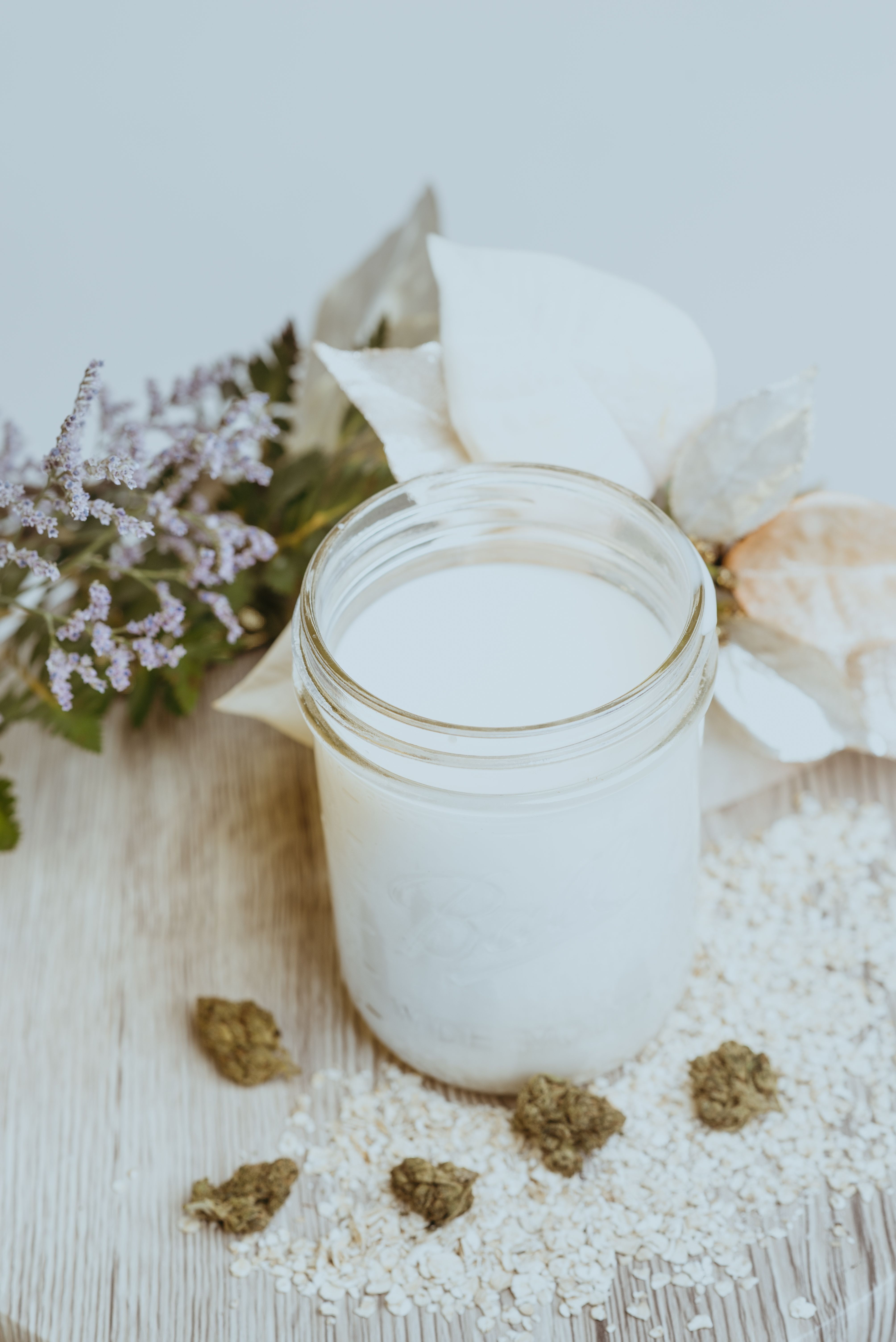
The diets react (see scores below)
Diet Ratings
Unsweetened hemp milk contains ~0-1g net carbs per cup with healthy fats from hemp seeds. High in omega-3s and naturally low-carb. Excellent dairy-free keto beverage option.
Plant-based milk alternative made from hemp seeds. Provides complete amino acids and omega-3 fatty acids. Minimally processed compared to other plant milks.
Hemp milk is a processed beverage made from hemp seeds blended with water and additives (gums, emulsifiers, sweeteners). While hemp seeds are paleo-approved, the processing, added ingredients, and liquid form contradict paleo principles. Whole hemp seeds are the appropriate form.
Plant-based milk alternative with minimal processing compared to others. Contains some omega-3s. However, not traditional to Mediterranean diet; water, wine, and dairy are preferred beverages. Acceptable as dairy substitute for those avoiding animal products.
Some Mediterranean diet experts accept plant-based milks as reasonable substitutes for dairy in modern adaptations, particularly for lactose-intolerant individuals.
Plant-based beverage made from hemp seeds. Contains no animal products and violates core carnivore principle of animal-only foods.
Hemp milk is a processed beverage with added ingredients (thickeners, emulsifiers, added sugars in most brands). Whole30 excludes non-dairy milk alternatives as they are processed foods designed to replicate dairy. Water or coconut milk are the approved alternatives.
Hemp milk is low in FODMAPs. Made from hemp seeds with minimal added ingredients. Monash supports unsweetened versions at standard serving sizes.
Low-fat, low-sodium plant-based milk alternative. Good source of omega-3 fatty acids and protein. Unsweetened versions contain minimal added sugar. Suitable DASH dairy substitute.
Hemp milk is low in protein (~3g per cup) and carbs (~1g), making it difficult to balance into Zone meals. While it contains omega-3s, the macro profile is too skewed toward fat without sufficient protein or carbs. Requires pairing with other foods to achieve 40/30/30.
Some practitioners accept unsweetened hemp milk as a beverage base if paired with protein-rich foods, though Dr. Sears typically recommends whole-food sources over plant-based milks for macro control.
Excellent source of omega-3 and omega-6 fatty acids in favorable ratio, complete protein with all amino acids, and minimal processing. Naturally anti-inflammatory. Superior to most plant-based milks for anti-inflammatory profile.
Hemp milk contains 2.6g protein and 1.2g fiber per cup, plus omega-3 fatty acids. However, it's higher in fat (2.5-3g per cup) than other plant milks and often contains added sugars. Works as a beverage but shouldn't replace higher-protein options. Some GLP-1 patients tolerate plant milks well; others experience bloating from additives.
Some RDs recommend hemp milk as a superior plant-based option due to omega-3 content and complete amino acid profile; others prefer lower-fat alternatives like unsweetened soy milk (3.3g protein, 1g fat per cup) to minimize GI distress.
Nutritional profile
Six traits that cut across every diet.
Fiber & Plants
How much whole-plant food and fiber it delivers.
Healthy Fats
The quality of its fats (unsaturated, omega-3).
Whole / Unprocessed
How close it is to its natural, unprocessed form.
Gut Gentle
How easy it is on digestion (low FODMAP, few irritants).
Low Glycemic
How little it spikes your blood sugar.
Protein Density
How much protein it packs per calorie.
Controversy Index
Score range: 1–8/10. Higher controversy = more disagreement between diets.
Diet-Specific Tips for Hemp milk
 Keto — 8/10
- 0-1g net carbs per cup (unsweetened)
- High omega-3 fatty acids
- Minimal processing
- Dairy-free alternative
 Vegan — 7/10
- Complete protein source
- Omega-3 fatty acids
- Minimal additives in unsweetened versions
- Whole food derived
 Mediterranean — 5/10
- Plant-based alternative
- Contains omega-3s
- Minimally processed
- Not traditional
 Low-FODMAP — 8/10
- Plant-based milk alternative
- Low sugar content (unsweetened)
- Minimal additives in plain versions
 DASH — 8/10
- Low sodium
- Low saturated fat
- Omega-3 fatty acids
- Plant-based protein
- Choose unsweetened
 Zone — 4/10
- Low protein content
- Minimal carbs
- Contains omega-3s
- Difficult to portion for Zone balance
 Anti-Inflammatory — 8/10
- Omega-3 fatty acids
- Complete protein
- Balanced omega-3/omega-6 ratio
- Minimal additives
- Whole food source
 GLP-1 Friendly — 5/10
- Moderate protein for plant milk
- Omega-3 fatty acids
- Higher fat than alternatives
- Often contains additives
- Individual tolerance varies