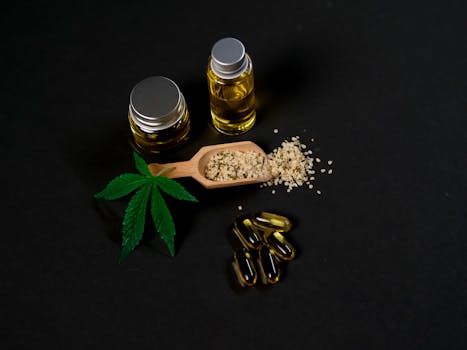
The diets react (see scores below)
Diet Ratings
Hemp seed oil contains zero carbs and is 100% fat with an excellent omega-3 to omega-6 ratio (1:3). Rich in polyunsaturated fats and fat-soluble vitamins. Low smoke point (~330°F) makes it unsuitable for cooking but excellent for dressings and finishing. Fully keto-compatible.
Plant-derived oil from hemp seeds with optimal omega-3 to omega-6 ratio. No animal products or processing concerns.
Hemp seed oil comes from seeds (technically allowed in paleo), but it is a processed oil with high omega-6 content and oxidation risk. Some paleo practitioners accept it for its omega-3 profile; others avoid all extracted oils.
Strict paleo avoids all extracted oils, preferring whole seeds or animal fats. However, some paleo authorities (including certain functional medicine practitioners) accept hemp seed oil in small quantities for its ALA omega-3 content and anti-inflammatory properties.
Hemp seed oil is rich in omega-3 fatty acids and plant-based nutrients, aligning with Mediterranean emphasis on healthy fats and plant foods. While not traditional, it fits modern Mediterranean principles well.
Purist Mediterranean diet advocates may argue hemp seed oil is too modern and non-traditional. However, contemporary Mediterranean nutrition science supports its inclusion for omega-3 content.
Plant-derived seed oil. Explicitly excluded from carnivore diet. Contains plant compounds and high polyunsaturated fat content incompatible with carnivore principles.
Hemp seeds are not legumes, grains, or excluded foods. Hemp seed oil is a natural fat product fully compliant with Whole30.
Hemp seed oil is a pure extracted oil with negligible carbohydrates. Monash University rates pure seed oils as low-FODMAP without serving restrictions.
Excellent omega-3 to omega-6 ratio (1:3), rich in polyunsaturated fats and plant-based protein. Supports cardiovascular health. Best used unheated. Aligns with DASH emphasis on healthy fats.
NIH DASH guidelines do not explicitly address hemp seed oil; however, updated clinical interpretation increasingly recognizes plant-based omega-3 sources as beneficial for hypertension management and cardiovascular health.
Excellent omega-3 to omega-6 ratio (~1:3), supporting anti-inflammatory goals. However, very low smoke point (~330°F) limits cooking use; best for dressings or finishing. Dr. Sears emphasizes omega-3 sources; hemp oil qualifies but is less commonly referenced than fish oil or flax. Portion: ~1 tbsp (14g) = 1 fat block.
Dr. Sears' primary omega-3 recommendations focus on fish oil and fatty fish rather than plant-based oils. Hemp oil is compatible with Zone principles but less emphasized in foundational Zone literature.
Exceptional omega-3 to omega-6 ratio (1:3, optimal for anti-inflammatory diet). Rich in ALA, GLA, and polyphenols. Directly emphasized in anti-inflammatory guidance. Best used unheated due to low smoke point.
Excellent omega-3 to omega-6 ratio (1:3) and contains plant-based protein (10g per 3 tbsp), but very high calorie density (120 calories per tablespoon) and high total fat. Best used as a drizzle on finished dishes in tiny amounts rather than cooking oil.
Some GLP-1 nutrition experts recommend hemp seed oil for its omega-3 content and plant protein, suggesting 1 tbsp daily as a supplement; others argue the calorie density and fat content outweigh benefits given reduced appetite, and recommend whole hemp seeds instead.
Controversy Index
Score range: 1–9/10. Higher controversy = more disagreement between diets.
Diet-Specific Tips for Hemp seed oil
 Keto — 8/10
- 0g net carbs
- 100% fat
- Optimal omega-3:omega-6 ratio
- Low smoke point (use cold only)
 Vegan — 9/10
- Plant-derived oil
- No animal products
- Nutritionally superior omega profile
- Whole food source
 Paleo — 6/10
- Extracted/processed oil
- High PUFA content
- Omega-3 to omega-6 ratio favorable but still high absolute omega-6
- Oxidation risk
 Mediterranean — 8/10
- omega-3 rich
- plant-based
- healthy fat profile
- modern addition
 Whole30 — 9/10
- Not a legume or grain
- Natural fat source
- Whole food derivative
 Low-FODMAP — 9/10
- Pure oil extraction
- Minimal carbohydrate content
- No fermentable compounds
 DASH — 9/10
- Optimal omega-3/omega-6 ratio
- Polyunsaturated fat rich
- Plant-based protein
- No sodium
- Use unheated (low smoke point)
 Zone — 6/10
- Optimal omega-3:omega-6 ratio
- Very low smoke point; unsuitable for cooking
- Best used in dressings or finishing
- Less emphasized in classic Zone guidance than fish oil
 Anti-Inflammatory — 9/10
- optimal omega-3:omega-6 ratio
- ALA and GLA content
- polyphenol-rich
- low smoke point (use unheated)
- directly recommended in anti-inflammatory protocols
 GLP-1 Friendly — 5/10
- omega-3 rich
- plant-based protein present
- very high calorie density
- high total fat
- portion-dependent