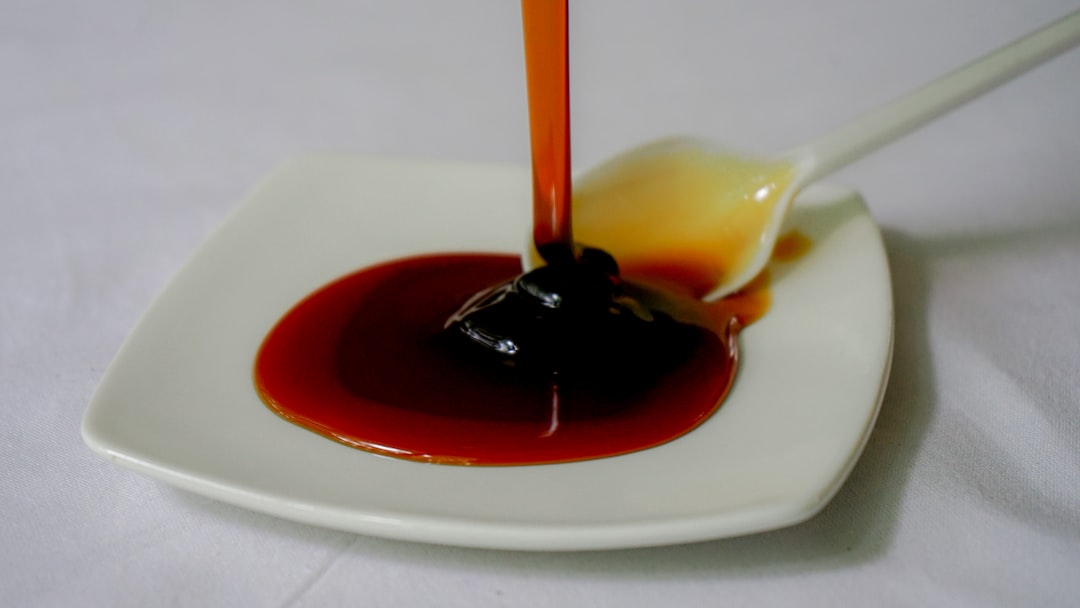
High fructose corn syrup
Rated by 11 diets
The diets react (see scores below)
Diet Ratings
HFCS is pure sugar (55% fructose, 45% glucose) with ~17g net carbs per tablespoon. Directly incompatible with ketosis. No redeeming nutritional value for keto.
HFCS is plant-derived (corn) but heavily processed. Technically vegan but nutritionally poor and ethically contested due to agricultural practices.
HFCS is a processed sweetener derived from corn (a grain) with inflammatory properties and metabolic concerns. Explicitly excluded from paleo diet.
High fructose corn syrup is a highly processed sweetener linked to metabolic dysfunction and obesity. It directly contradicts Mediterranean diet principles which minimize added sugars and processed ingredients. This is a core food to eliminate.
HFCS is plant-derived (corn), processed sugar, and explicitly forbidden on carnivore diet. Causes metabolic dysfunction and inflammatory response in carnivore practitioners.
Added sugar in processed form. Explicitly excluded from Whole30 program. Contains corn (grain) and is a concentrated sweetener.
High fructose corn syrup contains excess fructose (typically 55% fructose vs 45% glucose), creating a fructose:glucose ratio that exceeds low-FODMAP thresholds. High-FODMAP at any reasonable serving.
High fructose corn syrup is an added sugar explicitly limited by DASH guidelines. Associated with increased blood pressure, weight gain, and metabolic dysfunction. No nutritional value and directly contradicts DASH principles.
Pure refined carbohydrate (55% fructose, 42% glucose) with extreme glycemic impact and metabolic dysfunction potential. Fructose bypasses normal glucose regulation, promoting hepatic lipogenesis. Zero protein/fat. Fundamentally incompatible with Zone anti-inflammatory protocol.
Refined sugar with particularly inflammatory fructose metabolism. Promotes visceral fat accumulation, insulin resistance, and systemic inflammation. Explicitly avoided in all anti-inflammatory protocols.
High fructose corn syrup is a concentrated sweetener with no nutritional value, rapid glucose spike, and potential liver metabolic stress. It's found in ultra-processed foods and sugary beverages. GLP-1 patients have suppressed appetite and should never waste calories on empty-calorie sweeteners. Completely incompatible with GLP-1 dietary goals.
Nutritional profile
Six traits that cut across every diet.
Fiber & Plants
How much whole-plant food and fiber it delivers.
Healthy Fats
The quality of its fats (unsaturated, omega-3).
Whole / Unprocessed
How close it is to its natural, unprocessed form.
Gut Gentle
How easy it is on digestion (low FODMAP, few irritants).
Low Glycemic
How little it spikes your blood sugar.
Protein Density
How much protein it packs per calorie.
Controversy Index
Score range: 1–6/10. Higher controversy = more disagreement between diets.
Diet-Specific Tips for High fructose corn syrup
 Vegan — 6/10
- Plant-based origin but ultra-processed
- Health concerns regarding metabolic effects
- Corn sourcing may involve pesticides and GMOs