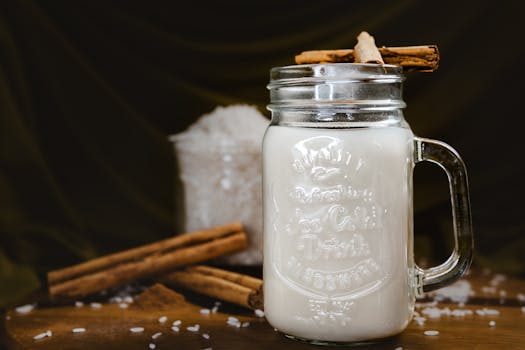
The diets react (see scores below)
Diet Ratings
Traditional horchata is made from rice, sugar, and milk, delivering 20-30g net carbs per serving. Even unsweetened versions contain significant carbs from rice starch. Incompatible with ketosis.
Traditional horchata is made from rice, almonds, and plant-based milk. Fully compliant with vegan diet when prepared without dairy milk.
Horchata is traditionally made from rice (a grain) or almonds with added sugar and often dairy. Even almond-based versions contain refined sugar and are processed beverages incompatible with paleo principles.
Horchata is typically made with added sugars and refined grains (rice), contradicting Mediterranean principles of minimal processed foods and added sugars. High caloric density with minimal nutritional benefit.
Horchata is a plant-based beverage made from rice, almonds, or other seeds blended with water and sugar. It violates carnivore principles on multiple counts: plant-derived base, added sugar, and no animal products.
Traditional horchata contains rice (a grain) and added sugar. Even almond-based versions typically include added sweeteners. Violates Whole30 exclusions for grains and added sugar.
Traditional horchata is made from rice, almonds, and sugar. While rice is low-FODMAP, horchata typically contains added sugar and may include high-FODMAP ingredients like cinnamon or vanilla extract in concentrated amounts. The drink form concentrates FODMAPs and lacks fiber to buffer absorption.
Traditional horchata is high in added sugar (typically 20-30g per serving) and often made with full-fat dairy or coconut milk. Exceeds DASH guidelines for added sugars and saturated fat.
Horchata is typically made with rice, sugar, and sweetened condensed milk. High-glycemic carbs, excessive sugar, and poor macronutrient balance make it unsuitable for Zone protocol.
Traditional horchata is high in added sugars and often made with refined rice flour. Contains saturated fat from nuts/seeds but overwhelmed by sugar content. Pro-inflammatory due to refined carbohydrates and excessive added sugars.
High sugar content (typically 20-30g per serving), high fat from nuts/coconut milk, minimal protein, and liquid calories that don't trigger satiety. Carbonated versions worsen bloating.
Nutritional profile
Six traits that cut across every diet.
Fiber & Plants
How much whole-plant food and fiber it delivers.
Healthy Fats
The quality of its fats (unsaturated, omega-3).
Whole / Unprocessed
How close it is to its natural, unprocessed form.
Gut Gentle
How easy it is on digestion (low FODMAP, few irritants).
Low Glycemic
How little it spikes your blood sugar.
Protein Density
How much protein it packs per calorie.
Controversy Index
Score range: 1–8/10. Higher controversy = more disagreement between diets.
Diet-Specific Tips for Horchata
 Vegan — 8/10
- Plant-based milk base
- No animal products
- Whole food ingredients