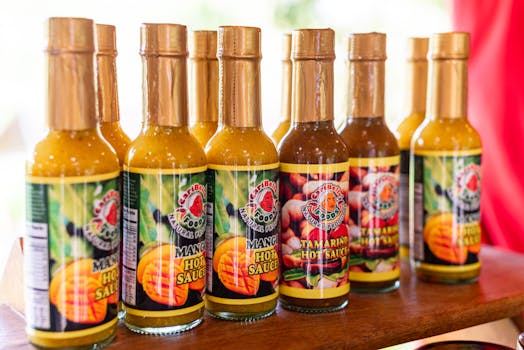
The diets react (see scores below)
Diet Ratings
Most hot sauces contain 0-1g net carbs per teaspoon. Primarily peppers and vinegar. Excellent keto condiment. Verify specific brand for added sugars.
Most hot sauces are plant-based, made from peppers, vinegar, and spices. Verify individual brands for any animal-derived additives.
Pure hot sauce (chili peppers, vinegar, spices) is minimally processed and paleo-compliant. Peppers are vegetables approved in paleo. Most quality hot sauces contain no grains, legumes, or seed oils.
Hot sauce made from peppers, vinegar, and spices is minimally processed, contains no added sugars (in most varieties), and peppers are Mediterranean vegetables. It enhances meals without unhealthy fats or sugars.
Made from chili peppers (fruit) and other plant ingredients. Contains plant compounds and spices. Violates carnivore exclusion of all plant foods and fruits.
Many hot sauces are compliant (peppers, vinegar, salt, spices), but many contain added sugar or other excluded ingredients. Must verify label carefully.
Some Whole30 practitioners avoid hot sauce due to processing and difficulty verifying ingredients, though compliant versions exist.
Hot sauce varies widely by brand. Many contain garlic, onion, or excess sugars. Monash data is limited. Check labels carefully; some brands are low-FODMAP at small portions, others are high-FODMAP.
Monash University has limited testing on hot sauce varieties. Clinical practitioners recommend checking specific brand ingredients, as garlic and onion are common additions that make most commercial hot sauces high-FODMAP.
Most hot sauces are low-calorie, low-sodium (varies 100-300mg per tablespoon), contain capsaicin with anti-inflammatory properties. Adds flavor without salt. Excellent DASH condiment.
Minimal carbs and calories. Capsaicin from peppers has anti-inflammatory properties. Low-glycemic. Ideal condiment for Zone meals. Verify no added sugar in specific brand.
Chili peppers are explicitly emphasized in anti-inflammatory guidelines for capsaicin content. Most hot sauces are low in sugar and inflammatory ingredients. Excellent condiment for anti-inflammatory diet.
Spice level varies widely by brand. Mild hot sauces (Frank's RedHot) are generally well-tolerated and add flavor without calories. Very spicy varieties (habanero, ghost pepper) may worsen reflux and nausea in GLP-1 patients with sensitive GI tracts. Individual tolerance is highly variable.
Some GLP-1 patients tolerate spicy foods well and report no worsening of reflux; others experience significant nausea and heartburn. Clinical guidance is inconsistent — some RDs recommend avoiding all spicy condiments, others suggest mild hot sauce is acceptable. Tolerance depends on baseline reflux severity and individual GI sensitivity.
Nutritional profile
Six traits that cut across every diet.
Fiber & Plants
How much whole-plant food and fiber it delivers.
Healthy Fats
The quality of its fats (unsaturated, omega-3).
Whole / Unprocessed
How close it is to its natural, unprocessed form.
Gut Gentle
How easy it is on digestion (low FODMAP, few irritants).
Low Glycemic
How little it spikes your blood sugar.
Protein Density
How much protein it packs per calorie.
Controversy Index
Score range: 2–8/10. Higher controversy = more disagreement between diets.
Diet-Specific Tips for Hot sauce
 Keto — 8/10
- 0-1g net carbs per teaspoon
- Pepper-based
- Minimal processing
- Check label for sweeteners
 Vegan — 8/10
- Plant-based ingredients
- Check label for additives
- Usually no animal products
 Paleo — 8/10
- Chili peppers are paleo vegetables
- Minimal processing
- Check for added sugar or seed oils
- Fermented varieties are acceptable
 Mediterranean — 8/10
- minimally processed
- pepper-based
- no added sugar
- flavor enhancer
- anti-inflammatory compounds
 Whole30 — 6/10
- Must check for added sugar
- Ingredient verification essential
- Many brands contain excluded items
 Low-FODMAP — 5/10
- Highly variable by brand
- Often contains garlic or onion
- Sugar content varies
- Label checking essential
 DASH — 8/10
- low calorie
- capsaicin anti-inflammatory benefits
- variable sodium by brand
- enhances flavor without salt
 Zone — 8/10
- Negligible carbs
- Capsaicin anti-inflammatory
- Low glycemic impact
- No macro disruption
 Anti-Inflammatory — 8/10
- Capsaicin from chili peppers (anti-inflammatory)
- Low sugar in most varieties
- Minimal inflammatory ingredients
- Supports flavor without added oils or sugar
 GLP-1 Friendly — 5/10
- spice-dependent tolerance
- may trigger reflux
- minimal calories
- zero fat
- individual variation high