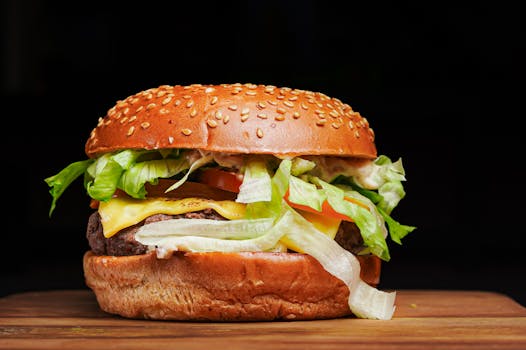
Impossible Burger
Rated by 11 diets
The diets react (see scores below)
Diet Ratings
Impossible Burger contains 9g net carbs per patty (4oz), primarily from soy and binders. While consumable, it's higher carb than beef and contains seed oils. Portion control required.
Strict keto advocates avoid Impossible Burger due to ultra-processed ingredients, seed oil content, and soy-based fillers that may trigger insulin response in sensitive individuals.
100% plant-based meat alternative with no animal products or derivatives. Nutritionally complete with protein, iron, and B12. Processed but explicitly designed for vegan diet compliance.
Plant-based meat substitute containing soy protein isolate (legume), potato starch, coconut oil, and multiple additives. Soy is explicitly excluded; highly processed.
Ultra-processed plant-based product with added oils, binders, and sodium. While plant-based, it contradicts the Mediterranean emphasis on whole plant foods. Legume-based alternatives would be preferable.
Some modern Mediterranean diet advocates view plant-based meat alternatives as acceptable occasional substitutes for red meat, particularly for those reducing animal products.
Plant-based meat substitute made from soy, potato starch, coconut oil, and other plant ingredients. Fundamentally contradicts carnivore diet by replacing animal meat with plant proteins and additives.
Contains soy (primary ingredient), which is a legume and explicitly excluded. Also contains various processed additives and binders incompatible with Whole30.
Impossible Burger contains soy protein concentrate, coconut oil, and potato starch as base, but critically includes garlic and onion powder as flavoring agents. These are high-FODMAP at any reasonable serving size.
Plant-based but highly processed. Sodium typically 370-450mg per patty, moderate saturated fat (5-6g), and contains added oils. Better than beef burger but not a core DASH food.
Updated clinical interpretation: Some clinicians view plant-based meat as preferable to red meat for DASH due to lower saturated fat and cholesterol, despite processing concerns. NIH DASH guidelines emphasize whole plant foods over processed alternatives.
Plant-based protein source with reasonable protein (~19g per patty) but high in omega-6 seed oils (soy, coconut) and processed ingredients. Macro ratio can work (roughly 35/25/40) but inflammatory fat profile conflicts with Zone anti-inflammatory ethos. Requires careful pairing with monounsaturated fats.
Some Zone practitioners accept Impossible Burger as viable protein substitute given modern plant-based improvements. Dr. Sears' original framework prioritized animal proteins; newer interpretations are more flexible on plant-based options if omega-6 load is managed.
Ultra-processed plant-based meat with soy protein isolate, coconut oil (saturated fat), and multiple additives. While plant-based, the processing and high omega-6 content from seed oils offset potential benefits. Better than conventional burger but inferior to whole plant proteins.
Some plant-based advocates argue Impossible Burger reduces inflammatory burden from red meat and supports cardiovascular health. However, anti-inflammatory purists prioritize whole foods over processed meat alternatives.
Provides ~19g protein per patty (good), but typically 14-17g fat per serving, which is high for GLP-1 patients and may trigger nausea, bloating, or reflux. Ultra-processed with binders and additives. Acceptable as occasional protein source if paired with low-fat sides and eaten in small portions, but not ideal for frequent consumption.
Some RDs view plant-based proteins like Impossible as preferable to red meat due to lower saturated fat; others argue the processing and total fat content makes it less ideal than whole-food proteins (chicken, fish, tofu) for GLP-1 patients specifically.
Nutritional profile
Six traits that cut across every diet.
Fiber & Plants
How much whole-plant food and fiber it delivers.
Healthy Fats
The quality of its fats (unsaturated, omega-3).
Whole / Unprocessed
How close it is to its natural, unprocessed form.
Gut Gentle
How easy it is on digestion (low FODMAP, few irritants).
Low Glycemic
How little it spikes your blood sugar.
Protein Density
How much protein it packs per calorie.
Controversy Index
Score range: 1–8/10. Higher controversy = more disagreement between diets.
Diet-Specific Tips for Impossible Burger
 Keto — 5/10
- 9g net carbs per patty
- Soy-based protein
- Seed oils (canola, coconut)
- Ultra-processed
- Higher carb than beef alternative
 Vegan — 8/10
- Fully plant-based
- No animal-derived ingredients
- Fortified with B12
- Highly processed but intentionally vegan
 Mediterranean — 4/10
- Highly processed
- Added ingredients and sodium
- Plant-based but not whole food
- Occasional use acceptable
 DASH — 5/10
- Moderate sodium
- Processed food
- Plant-based protein
- Added oils and binders
 Zone — 5/10
- high omega-6 seed oils
- processed ingredients
- adequate protein content
- inflammatory fat profile
- macro-balanceable
 Anti-Inflammatory — 4/10
- ultra-processed
- soy protein isolate
- coconut oil (saturated)
- seed oil content
- multiple additives
- avoids red meat
 GLP-1 Friendly — 5/10
- moderate protein content
- high fat per serving
- ultra-processed
- may trigger GI side effects
- saturated fat profile