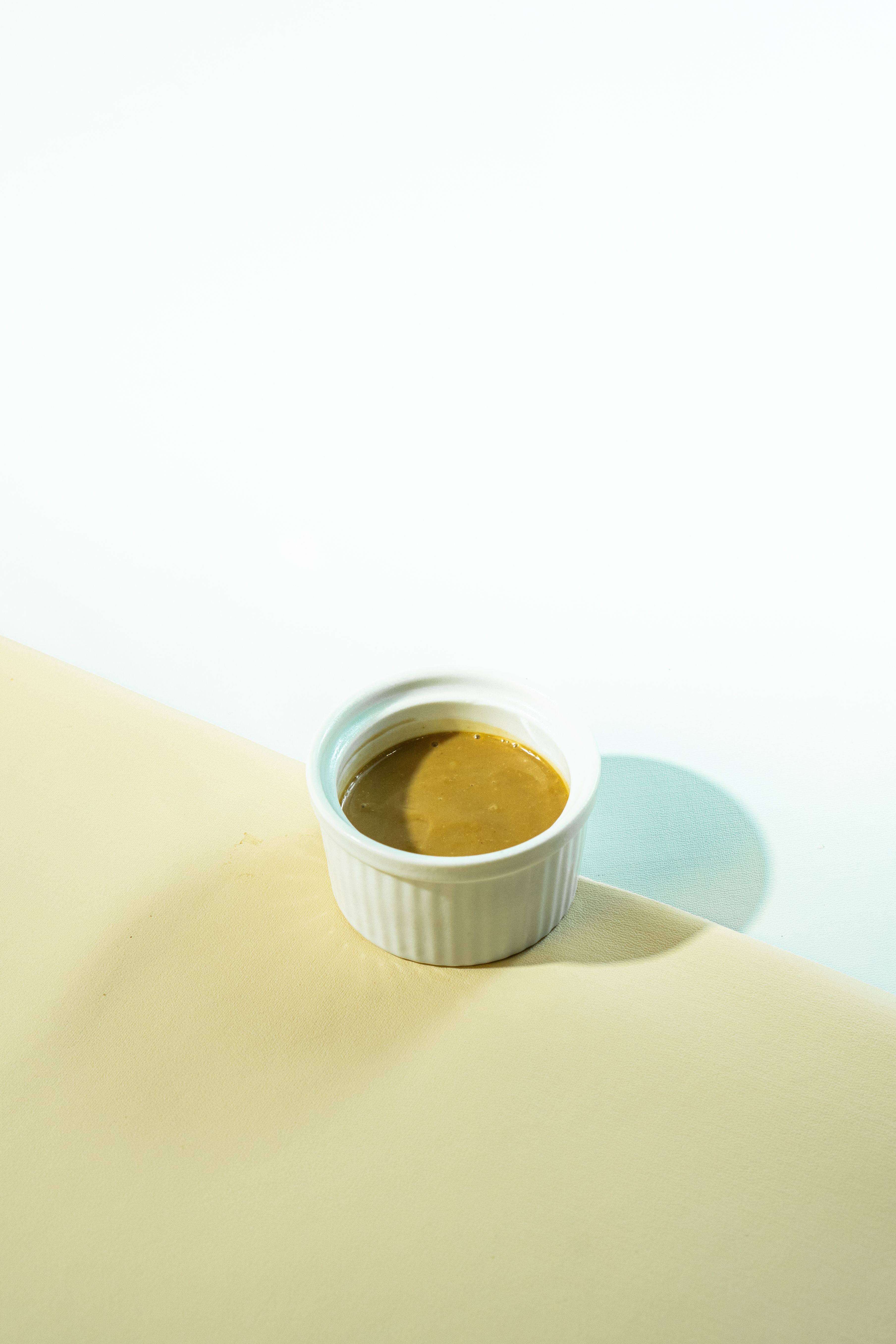
The diets react (see scores below)
Diet Ratings
Commercial Italian dressing typically contains 1-3g net carbs per 2-tablespoon serving, with added sugars and thickeners. Homemade versions (oil, vinegar, herbs, garlic) are significantly lower-carb (<1g per 2 tablespoons). Brand selection and portion control are critical.
Strict keto practitioners avoid commercial Italian dressing entirely due to added sugars and seed oils, preferring homemade versions made with olive oil, vinegar, and fresh herbs.
Typically oil, vinegar, and herbs, but many commercial brands contain anchovies, cheese, or eggs. Check label carefully.
Some vegans avoid all commercial dressings due to frequent hidden animal ingredients and prefer homemade versions.
Commercial Italian dressing typically contains seed oils (soybean, canola), added sugar, salt, and additives (xanthan gum, MSG, preservatives). Even 'natural' versions often include seed oils and refined ingredients. Homemade versions with olive oil, vinegar, and herbs are paleo-approved; commercial versions are not.
Commercial Italian dressing typically contains added sugars, sodium, preservatives, and refined oils. Contradicts Mediterranean principles of whole foods and minimal processing. Homemade vinaigrette with olive oil is preferred.
Italian dressing contains plant-derived oils, vinegar, garlic, herbs (oregano, basil), and spices. Typically contains added sugar and other additives. Entirely plant-derived or plant-based. Violates carnivore diet principles.
Commercial Italian dressing typically contains added sugar, soy lecithin (though no longer excluded as of 2024), and other additives. Most versions are not Whole30 compliant due to added sugar.
Commercial Italian dressing typically contains garlic and onion as primary flavor ingredients, both high in fructans. These make standard servings high-FODMAP. Even low-fat versions usually contain these ingredients.
Commercial versions typically high in sodium (300-500mg per 2 tablespoons) and added sugar. Some contain saturated fat. Low-sodium versions available but still may contain added sugars. Prepare homemade version with olive oil and vinegar for DASH compliance.
Commercial Italian dressing typically contains seed oils (omega-6), added sugars, and emulsifiers. 2 tbsp contains ~4-6g carbs, 0g protein, 9g fat (mostly omega-6). High omega-6 and sugar content conflict with Zone principles. Homemade versions (olive oil + vinegar + herbs) score much higher (~8).
Commercial versions typically contain seed oils (inflammatory omega-6), added sugars, and artificial additives. While herbs are present, they're overwhelmed by inflammatory components. Homemade with olive oil would be acceptable.
Typical bottled version contains 5-8g fat per 2 tablespoon serving, high sodium (300-400mg), and added sugars. Oil-based dressings worsen GLP-1 nausea. Acceptable in minimal amounts on salads with protein, but not recommended as primary dressing. Vinegar-based alternatives preferred.
Nutritional profile
Six traits that cut across every diet.
Fiber & Plants
How much whole-plant food and fiber it delivers.
Healthy Fats
The quality of its fats (unsaturated, omega-3).
Whole / Unprocessed
How close it is to its natural, unprocessed form.
Gut Gentle
How easy it is on digestion (low FODMAP, few irritants).
Low Glycemic
How little it spikes your blood sugar.
Protein Density
How much protein it packs per calorie.
Controversy Index
Score range: 2–5/10. Higher controversy = more disagreement between diets.
Diet-Specific Tips for Italian dressing
 Keto — 4/10
- 1-3g net carbs per 2 tablespoons (commercial)
- Added sugars and thickeners
- Homemade versions significantly lower-carb
- Seed oil content in commercial versions
 Vegan — 5/10
- brand-dependent
- may contain anchovies
- may contain cheese
- may contain eggs
- requires label verification
 DASH — 4/10
- High sodium in standard versions
- Added sugar
- Low-sodium alternatives available
- Homemade version preferred
- Label variation significant
 Zone — 4/10
- Seed oil base (pro-inflammatory)
- Added sugar content
- Minimal protein
- Homemade versions strongly preferable
 GLP-1 Friendly — 5/10
- moderate fat content
- high sodium
- added sugars
- portion-dependent
- can worsen GI side effects