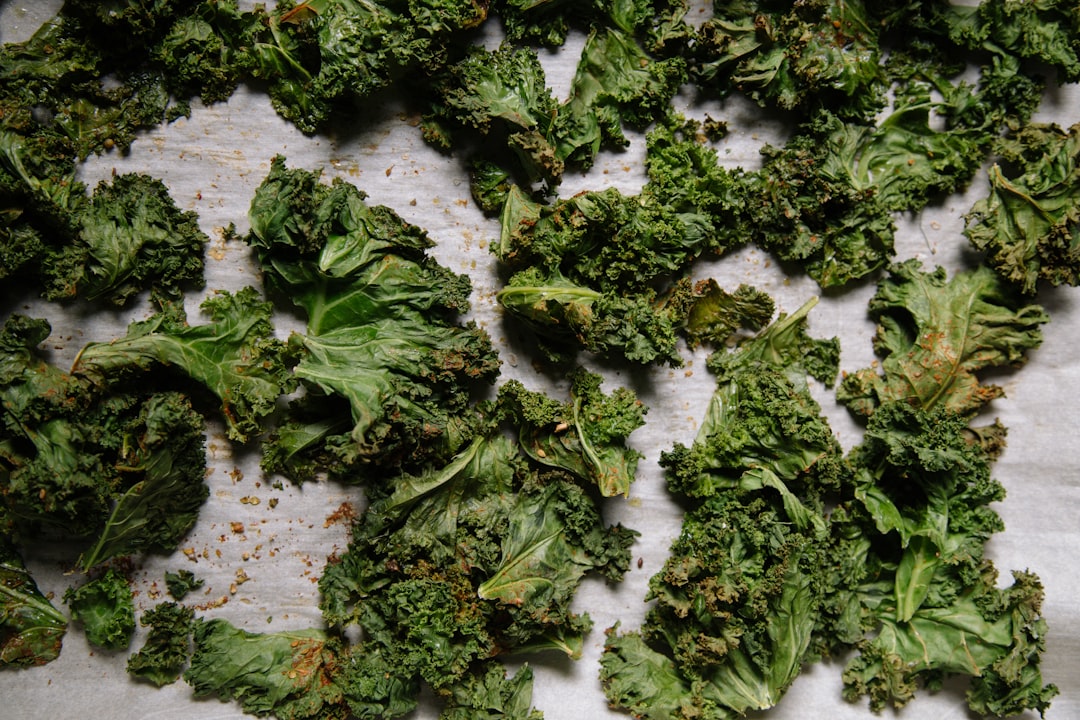
The diets react (see scores below)
Diet Ratings
Kale chips contain 2-3g net carbs per ounce with high fat (if oil-baked). Nutrient-dense leafy green base. Excellent keto snack when made with quality oils.
Kale chips are plant-based but heavily processed (dehydrated, often fried in oil). Flavored varieties may contain dairy, nutritional yeast, or other additives. Check ingredients.
Some whole-food vegans reject kale chips as ultra-processed despite plant-based status, preferring raw or lightly steamed kale.
Kale is paleo-approved, but kale chips are processed with added oils and salt. The processing contradicts paleo philosophy, though the base ingredient is compliant.
Some paleo practitioners accept kale chips as a convenient vegetable snack, viewing light processing as acceptable for adherence.
Kale is a Mediterranean vegetable, but chip processing with added oils and salt reduces nutritional value. Fresh kale preferred, but baked chips acceptable occasionally.
Some Mediterranean diet practitioners view kale chips favorably as a way to increase vegetable consumption and provide satisfying snack alternative to processed foods.
Kale is a plant vegetable. Even when processed into chips, it remains plant-derived. Directly violates carnivore diet's core exclusion of all plant foods.
Homemade kale chips (kale + oil + salt) are technically compliant. However, commercial versions often contain added sugar, non-compliant oils, or other additives. Additionally, they recreate a processed snack food which tests Whole30's spirit.
Official Whole30 discourages recreating chip/snack formats. Some community members accept homemade versions as whole-food based, while others argue any chip format violates program intent.
Kale is a low-FODMAP vegetable confirmed by Monash University. Kale chips (baked or fried) retain low-FODMAP status. No fructans, lactose, or excess fructose. Standard serving sizes have no restrictions.
Kale is a DASH-approved vegetable, but commercial kale chips are often high in sodium (200-400mg per serving) and oil. Homemade baked versions are better; store-bought versions require careful label review.
Updated clinical interpretation accepts store-bought kale chips as occasional snack if sodium <150mg per serving; NIH DASH guidelines emphasize whole kale as preferred form.
Kale is a low-glycemic, nutrient-dense vegetable rich in polyphenols and fiber. Kale chips (if baked with minimal oil) provide 1-2 carb blocks with negligible impact. Excellent vegetable choice for Zone meals.
Kale is nutrient-dense with high polyphenols, antioxidants, and anti-inflammatory compounds. Baked format preserves most nutrients. Excellent whole-food snack with strong anti-inflammatory profile.
Kale chips are low in calories (100-150 per oz), provide fiber (2-3g), and are nutrient-dense (vitamins A, K, C). However, they are typically high in fat (7-9g per oz due to oil coating) and low in protein (2-3g). Good for volume/satiety but fat content is a drawback. Homemade versions with less oil score higher.
Nutritional profile
Six traits that cut across every diet.
Fiber & Plants
How much whole-plant food and fiber it delivers.
Healthy Fats
The quality of its fats (unsaturated, omega-3).
Whole / Unprocessed
How close it is to its natural, unprocessed form.
Gut Gentle
How easy it is on digestion (low FODMAP, few irritants).
Low Glycemic
How little it spikes your blood sugar.
Protein Density
How much protein it packs per calorie.
Controversy Index
Score range: 1–9/10. Higher controversy = more disagreement between diets.
Diet-Specific Tips for Kale chips
 Keto — 8/10
- 2-3g net carbs per ounce
- Nutrient-dense (kale)
- High fat when oil-baked
- Whole food ingredient
 Vegan — 6/10
- Check flavoring for dairy or animal ingredients
- High processing reduces nutritional value
- Often high in sodium and oil
 Paleo — 6/10
- Base ingredient (kale) is paleo-approved
- Processing with added oils
- Added salt
- Convenience vs. whole food philosophy
 Mediterranean — 6/10
- Vegetable base
- Processing reduces nutrients
- Added oils and salt
- Better than processed alternatives
 Whole30 — 5/10
- Homemade vs. commercial varies
- Often contains added ingredients
- Recreates snack food format
- Encourages snacking behavior
 Low-FODMAP — 9/10
- Kale is low-FODMAP vegetable
- No fermentable carbohydrates
- Minimal processing impact
 DASH — 5/10
- Kale is nutrient-dense vegetable
- Commercial versions high in sodium
- High in oil/fat
- Minimal fiber compared to whole kale
- Homemade versions preferable
 Zone — 8/10
- Low glycemic index
- High polyphenol content
- Nutrient-dense
- High fiber
- Minimal carb impact
 Anti-Inflammatory — 8/10
- High polyphenol content
- Antioxidant-rich
- Whole-food vegetable
- Anti-inflammatory compounds
 GLP-1 Friendly — 6/10
- low calorie
- high fat
- low protein
- good fiber
- nutrient-dense
- oil-dependent