How the diets react
Diet Ratings
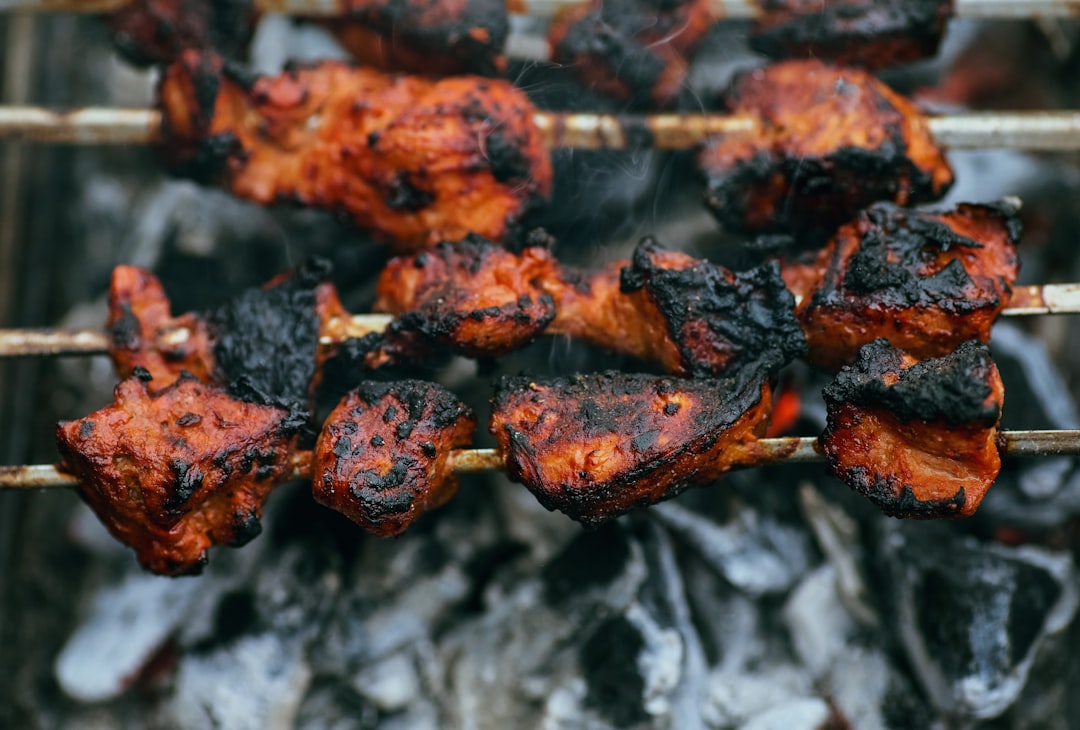
Grilled beef kebab is primarily protein and fat with minimal carbs. Assuming no sugar-laden marinades or bread, a standard beef kebab contains 0-2g net carbs and fits keto perfectly. Check for hidden sugars in marinades.
Contains beef, a direct animal product. Fundamentally incompatible with vegan diet regardless of preparation method.
Grilled beef is a core paleo protein. Assuming minimal processing and no grain-based marinades or fillers, beef kebab aligns with paleo principles of unprocessed meat cooked over fire.
Beef is limited to a few times per month in Mediterranean diet. Kebabs are often high in saturated fat and may contain processed ingredients. However, grilled preparation and vegetable accompaniments improve compatibility.
Beef kebab is grilled ruminant meat, a core carnivore staple. If prepared without plant-based marinades or fillers, it aligns perfectly with carnivore principles.
Grilled beef skewers are whole, unprocessed meat. Compliant if no added sugar, soy sauce, or non-compliant marinades are used. Assume basic salt/spice seasoning.
Plain grilled beef is low-FODMAP, but kebabs are typically seasoned with garlic and onion marinades, which are high-FODMAP. Risk depends on preparation method and marinade ingredients.
Monash University rates plain beef as low-FODMAP, but traditional kebab marinades contain garlic and onion. Clinical practitioners recommend verifying marinade ingredients before consumption.
Beef kebab contains red meat (limited in DASH) and is often high in saturated fat. However, grilling method is favorable, and if lean cuts are used with vegetables, it can fit DASH in moderation. Sodium from marinades and preparation is a concern.
Beef kebab provides lean protein and fat, but often contains saturated fat. Depends heavily on cut quality and preparation. If served with vegetables and minimal bread, acceptable. Grilling method is favorable for reducing excess fat.
Beef is red meat high in saturated fat and arachidonic acid, promoting inflammation. Grilling at high temperatures creates advanced glycation end products (AGEs). Typically served with refined bread and inflammatory sauces.
Beef kebab provides 20-25g protein per serving, which is good. However, beef is typically higher in saturated fat than poultry or fish. Grilling method is favorable for digestibility. Often served with high-fat sauces (tahini, yogurt-based). Lean cuts are better tolerated than fattier cuts. Vegetable accompaniments add fiber.
Controversy Index
Score range: 1–8/10. Higher controversy = more disagreement between diets.