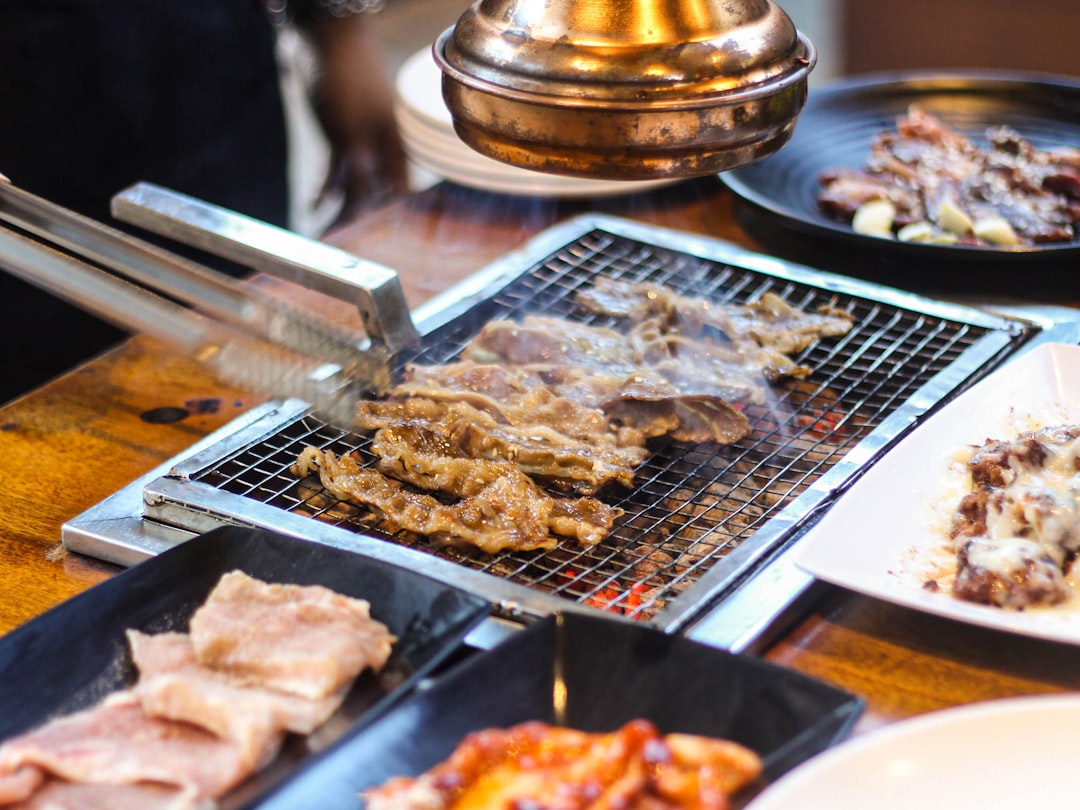
Korean BBQ (bulgogi)
Rated by 11 diets
The diets react (see scores below)
Diet Ratings
Bulgogi marinades typically contain sugar, soy sauce, and sometimes honey (5-10g net carbs per serving). The beef itself is keto-friendly, but the sweet marinade is problematic. Portion control and marinade verification essential.
Some keto practitioners accept bulgogi if carbs fit daily budget, while strict protocols avoid due to added sugars in traditional marinade recipes.
Bulgogi is marinated beef or pork grilled at the table. Contains animal flesh as primary ingredient. Fundamentally incompatible with vegan diet.
Bulgogi is grilled beef (paleo-approved protein) but traditionally marinated in soy sauce (legume-derived, excluded), sugar, and sesame oil (seed oil, excluded). The meat is paleo but the marinade violates multiple rules.
Some paleo practitioners accept bulgogi if made with paleo-compliant marinades (coconut aminos instead of soy, honey instead of sugar, avocado oil instead of sesame oil), viewing the cooking method and meat as the core component.
Bulgogi is marinated beef, grilled preparation is positive, but beef consumption should be limited to few times monthly. Often contains added sugars in marinade and high in saturated fat. Not Mediterranean.
Bulgogi is beef, but traditional marinades contain soy sauce, sugar, garlic, ginger, and sesame—all plant-based ingredients excluded from carnivore diet. Meat quality is high, but preparation violates rules.
Strict carnivore practitioners avoid bulgogi entirely due to plant-based marinade ingredients (soy, sugar, spices). Some practitioners consume the meat portion only, discarding marinade residue.
Bulgogi is grilled beef, but traditional marinades contain soy sauce (soy is excluded), sugar, and sometimes mirin (contains sugar/alcohol). If made with compliant ingredients (coconut aminos, compliant broth, no added sugar), it could be approved. Standard preparation is non-compliant.
Community debate exists on whether store-bought or restaurant bulgogi can be verified as compliant. Official Whole30 guidance recommends avoiding dishes with uncertain ingredient sourcing, particularly soy-based marinades which are standard in Korean BBQ.
Bulgogi marinade traditionally contains garlic, onion, soy sauce, and pear (excess fructose). Garlic and onion are high-FODMAP. Pear adds polyols and excess fructose.
Bulgogi is grilled beef with a sweet marinade. While grilling is favorable, beef is red meat (limited in DASH) and marinades are typically high in sodium and added sugars. Served with vegetables (positive), but overall sodium and saturated fat content is concerning.
Bulgogi is thinly sliced beef marinated in soy sauce, sugar, and sesame oil. Marinade adds sugar (glycemic concern) but also monounsaturated fat. Beef provides lean protein. Served with vegetables and lettuce wraps improves Zone compatibility. Sugar content is the limiting factor.
Bulgogi uses beef (red meat, saturated fat, arachidonic acid). High-heat grilling creates AGEs. Marinade contains added sugars and soy sauce (high sodium). However, ginger, garlic, and sesame oil in marinade provide some anti-inflammatory compounds. Served with vegetables (kimchi, lettuce wraps) improves profile.
Some authorities view the anti-inflammatory marinade ingredients and vegetable accompaniments as partially offsetting beef's inflammatory effects. Portion size and frequency matter significantly. Grass-fed beef would improve the rating.
Bulgogi is marinated beef, typically with soy sauce, sugar, sesame oil, and garlic. Protein is excellent (22-25g per serving). However, marinade contains added sugar and sesame oil adds fat (8-10g per serving). Grilling method aids digestibility. Often served with banchan (side dishes) that may include high-fat options. Soy sauce is high sodium. Better tolerated than fried beef but sugar content is a concern.
Nutritional profile
Six traits that cut across every diet.
Fiber & Plants
How much whole-plant food and fiber it delivers.
Healthy Fats
The quality of its fats (unsaturated, omega-3).
Whole / Unprocessed
How close it is to its natural, unprocessed form.
Gut Gentle
How easy it is on digestion (low FODMAP, few irritants).
Low Glycemic
How little it spikes your blood sugar.
Protein Density
How much protein it packs per calorie.
Controversy Index
Score range: 1–6/10. Higher controversy = more disagreement between diets.
Diet-Specific Tips for Korean BBQ (bulgogi)
 Keto — 5/10
- Sugar in marinade (primary concern)
- 5-10g net carbs per serving typical
- High-quality beef protein
- Marinade recipe significantly affects carb content
 Paleo — 6/10
- Beef is paleo
- Soy sauce is legume-derived (avoid)
- Added sugar in marinade
- Sesame oil is seed oil (avoid)
- Grilling method is paleo-friendly
 Mediterranean — 4/10
- Red meat frequency limits
- Added sugars in marinade
- Grilling method beneficial
- High saturated fat
 Carnivore — 5/10
- ruminant meat base
- plant-based marinade
- sugar content
- plant-derived seasonings
 Whole30 — 4/10
- soy sauce in traditional marinade
- added sugar in marinade
- mirin (alcohol/sugar)
- meat base is compliant
 DASH — 5/10
- red meat content (should be limited)
- high sodium from marinade
- added sugars in marinade
- grilling method is favorable
- vegetable accompaniments help
 Zone — 6/10
- Added sugar in marinade
- Lean beef protein
- Sesame oil provides monounsaturated fat
- Vegetable accompaniments favorable
- Lettuce wraps reduce glycemic load
 Anti-Inflammatory — 4/10
- beef base (saturated fat, arachidonic acid)
- high-heat cooking (AGEs)
- added sugars in marinade
- ginger and garlic (anti-inflammatory)
- sesame oil (omega-3 source)
- vegetable accompaniments
 GLP-1 Friendly — 6/10
- excellent protein content
- added sugar in marinade
- moderate fat from sesame oil
- grilled preparation aids digestion
- high sodium