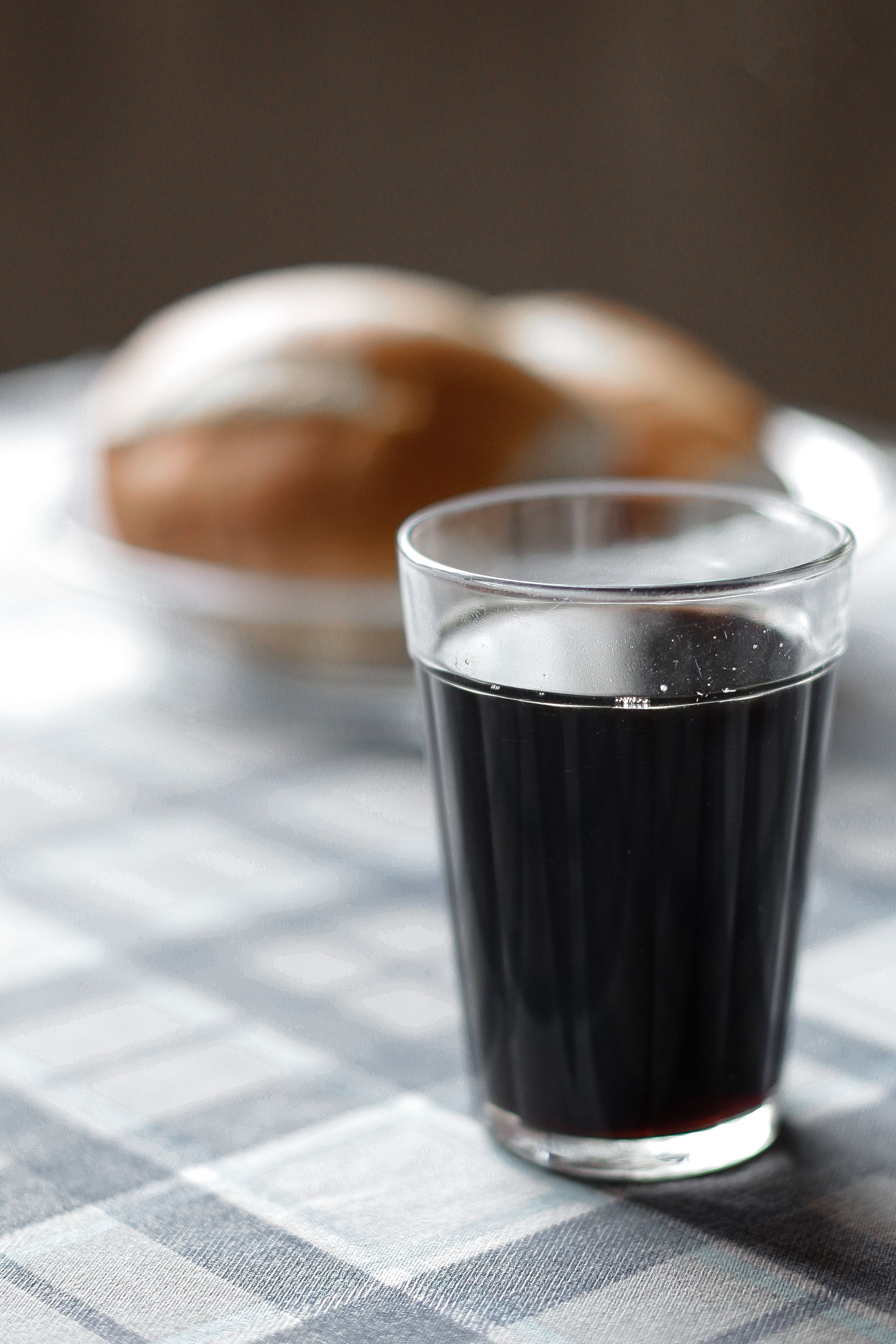
The diets react (see scores below)
Diet Ratings
Traditional kvass is a fermented rye bread beverage containing 4-8g net carbs per 100ml, plus residual sugars from fermentation. Accumulates quickly and breaks ketosis.
Traditional kvass is a fermented beverage made from rye bread, water, and spices with no animal products. Whole-food fermented drink with beneficial probiotics.
Traditional fermented rye beverage. While fermentation is paleo-friendly, kvass is typically made from rye (a grain) and often contains added sugar. The fermentation process may reduce anti-nutrients, but the grain base is problematic.
Some paleo practitioners accept fermented grain beverages in small quantities, arguing that fermentation significantly reduces grain toxins and anti-nutrients. However, strict paleo excludes all grain-derived products regardless of processing.
Traditional fermented beverage with some probiotic benefits, but often contains added sugars. Not a Mediterranean staple, though fermented foods align with gut health principles. Sugar content varies significantly by brand.
Some Mediterranean diet advocates appreciate fermented beverages for probiotic content and traditional preparation methods, particularly in Eastern European Mediterranean regions.
Fermented beverage made from rye bread and plant ingredients. Plant-derived and contains grains. Fundamentally incompatible with carnivore diet.
Kvass is a fermented beverage traditionally made from rye bread and contains gluten. It is explicitly non-compliant due to grain content.
Kvass is a fermented rye beverage. Rye contains fructans, but fermentation may reduce FODMAP content. Monash data on kvass is limited. Standard serving (250 mL) may be tolerated by some, but individual tolerance varies based on fermentation duration and rye content.
Monash University has limited specific testing on kvass. Clinical FODMAP practitioners suggest caution due to rye fructan content, though fermentation may provide some reduction. Tolerance is highly individual.
Traditional fermented beverage with potential probiotic benefits and lower sugar than many alternatives. However, sodium content varies widely (100-400mg per serving), and some commercial versions contain added sugars. Acceptable in moderation if low-sodium variety chosen.
NIH DASH guidelines do not explicitly address kvass. Updated clinical interpretation recognizes fermented foods' potential benefits, but sodium variability and limited evidence warrant caution.
Fermented rye beverage with 4-6g carbs per 100ml and minimal protein/fat. While lower sugar than soda, it's a carb-only food difficult to balance into Zone meals without exceeding carb blocks.
Some Zone practitioners view fermented foods favorably for gut health, but Dr. Sears emphasizes macronutrient balance over fermentation benefits. Kvass remains carb-dominant.
Traditional fermented rye beverage with potential probiotic benefits supporting gut health, which indirectly supports anti-inflammatory status. However, many commercial versions contain added sugars. Homemade or low-sugar versions are preferable. Fermentation may enhance bioavailability of compounds.
Some anti-inflammatory authorities prioritize avoiding fermented grain beverages due to potential lectins and phytic acid, though fermentation typically reduces these. Dr. Weil's framework emphasizes whole foods over beverages.
Fermented beverage with residual sugar (5-10g per serving), carbonated (bloating), minimal nutritional value, no protein or fiber. Fermentation may worsen GI sensitivity in some GLP-1 patients.
Nutritional profile
Six traits that cut across every diet.
Fiber & Plants
How much whole-plant food and fiber it delivers.
Healthy Fats
The quality of its fats (unsaturated, omega-3).
Whole / Unprocessed
How close it is to its natural, unprocessed form.
Gut Gentle
How easy it is on digestion (low FODMAP, few irritants).
Low Glycemic
How little it spikes your blood sugar.
Protein Density
How much protein it packs per calorie.
Controversy Index
Score range: 1–8/10. Higher controversy = more disagreement between diets.
Diet-Specific Tips for Kvass
 Vegan — 8/10
- Fermented plant-based beverage
- Contains probiotics
- Minimal processing
- Traditional recipe is fully plant-based
 Paleo — 5/10
- grain-based (rye)
- fermented (reduces some anti-nutrients)
- often contains added sugar
- low alcohol content
 Mediterranean — 5/10
- fermented beverage
- variable sugar content
- probiotic potential
- not Mediterranean traditional
 DASH — 5/10
- Sodium content highly variable
- Potential probiotic benefits
- Added sugars in some brands
- Limited DASH-specific guidance
 Anti-Inflammatory — 5/10
- fermentation and probiotics
- added sugar content varies
- rye grain base
- traditional preparation benefits