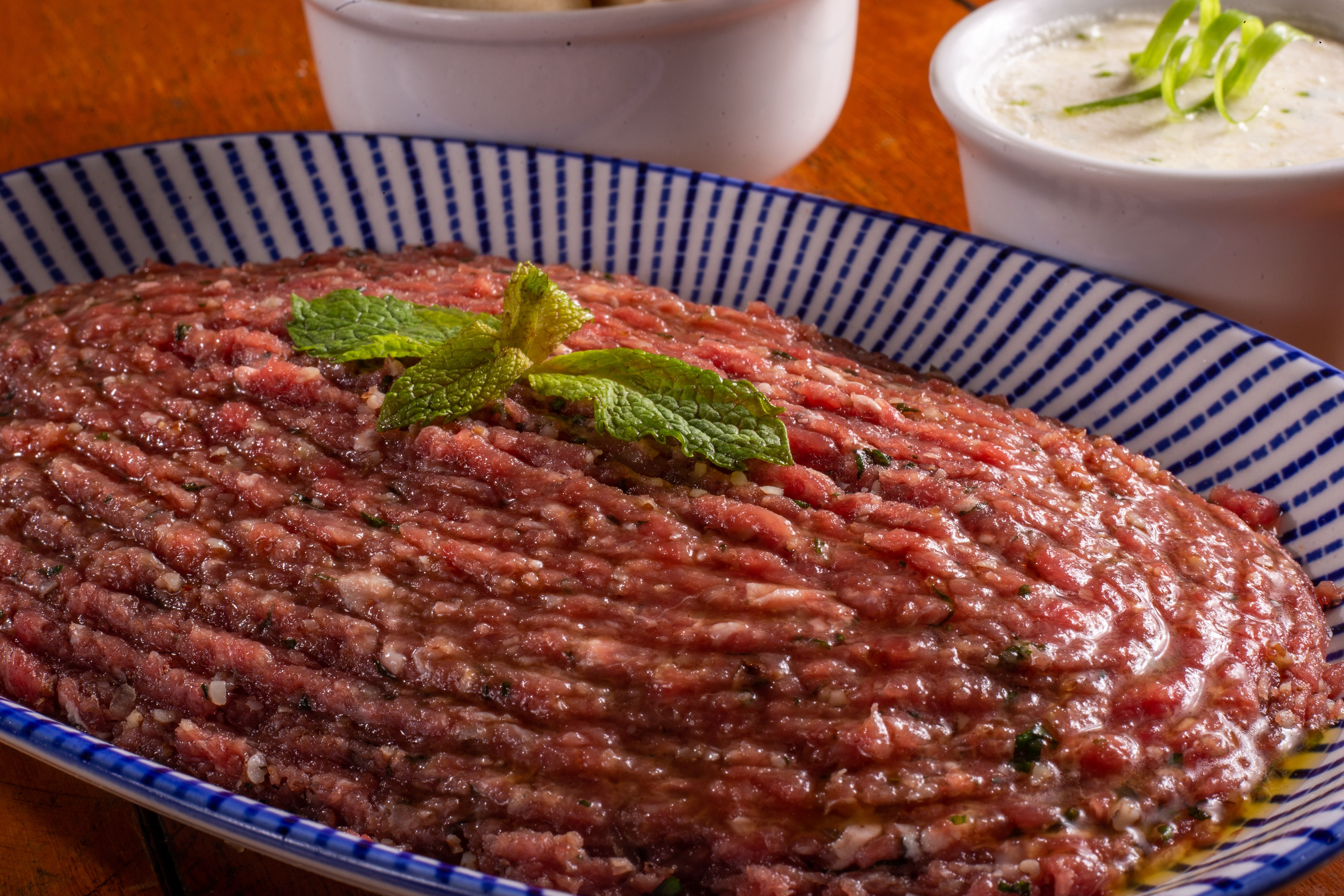
The diets react (see scores below)
Diet Ratings
Ground lamb is a nutrient-dense, high-fat meat with zero carbohydrates. It provides excellent macronutrient ratios for keto and is a whole, unprocessed food rich in micronutrients.
Ground lamb is animal flesh. Explicitly excluded from vegan diet. Non-negotiable animal product.
Ground lamb is unprocessed meat from a paleo-approved animal source. It provides complete protein, essential amino acids, and nutrients. Ideally from grass-fed sources.
Ground lamb is red meat with moderate-to-high saturated fat. Mediterranean diet limits red meat to few times monthly. Can be acceptable occasionally, especially in traditional Mediterranean dishes with vegetables and legumes.
Ground ruminant meat (lamb). Ruminant animals are prioritized in carnivore diet for superior fatty acid profile and micronutrient density. Unprocessed, animal-derived, and highly nutritious.
Ground lamb is unprocessed meat, which is explicitly allowed on Whole30. It is a whole food with no excluded ingredients when purchased without additives.
Ground lamb is low-FODMAP. Pure meat contains no fermentable carbohydrates. Avoid pre-seasoned varieties with garlic, onion, or spice blends containing these ingredients.
Red meat with moderate-to-high saturated fat and cholesterol. DASH limits red meat consumption. Acceptable occasionally in very lean cuts (>90% lean) but poultry/fish preferred.
Ground lamb contains ~20g protein per 85g but also ~15g saturated fat. Usable if lean cuts selected (85% lean or higher) and portioned carefully. One 3-oz serving = 2 protein blocks + 1.5 fat blocks (mostly saturated). Zone allows but emphasizes leaner proteins; ground lamb is acceptable occasionally if fat content is verified.
Ground lamb is high in saturated fat and omega-6 fatty acids. However, it contains conjugated linoleic acid (CLA), vitamin B12, iron, and zinc. Occasional consumption in small portions with anti-inflammatory preparation methods (with herbs, vegetables) may be acceptable.
Mediterranean diet advocates note lamb's traditional use in anti-inflammatory cuisines. However, modern grain-fed lamb has higher omega-6 profile than grass-fed. Grass-fed lamb may score higher (5-6) due to improved omega-3:omega-6 ratio.
Ground lamb is high in saturated fat (15-20g per 3 oz cooked) and calories (250-300 per 3 oz), with good protein (20-25g per 3 oz). The high fat content is a significant drawback for GLP-1 patients and worsens side effects. However, lamb provides iron, B12, and zinc that support muscle preservation during weight loss. Leaner cuts (lamb loin) or very small portions mixed with vegetables may be tolerable for some patients, but chicken or fish are preferable.
Some RDs recommend lamb in moderation for its micronutrient density (iron, B12, zinc) during rapid weight loss, especially for patients at risk of deficiency; others recommend avoiding it entirely due to high saturated fat and prioritizing leaner proteins instead. Individual tolerance and micronutrient status should guide inclusion.
Nutritional profile
Six traits that cut across every diet.
Fiber & Plants
How much whole-plant food and fiber it delivers.
Healthy Fats
The quality of its fats (unsaturated, omega-3).
Whole / Unprocessed
How close it is to its natural, unprocessed form.
Gut Gentle
How easy it is on digestion (low FODMAP, few irritants).
Low Glycemic
How little it spikes your blood sugar.
Protein Density
How much protein it packs per calorie.
Controversy Index
Score range: 1–9/10. Higher controversy = more disagreement between diets.
Diet-Specific Tips for Lamb ground
 Keto — 9/10
- 0g net carbs
- High fat content
- High protein
- Whole, unprocessed food
- Rich in micronutrients
 Paleo — 9/10
- Unprocessed meat
- Complete protein
- Nutrient-dense
- Ancestral food source
 Mediterranean — 5/10
- red meat
- moderate saturated fat
- traditional in Mediterranean cuisine
- limited frequency recommended
- better with vegetable/legume integration
 Carnivore — 9/10
- ruminant meat
- high-quality fatty acid profile
- excellent micronutrient density
- unprocessed
- preferred animal source
 Whole30 — 9/10
- Unprocessed meat
- Explicitly allowed
- Whole food
- No excluded ingredients
 Low-FODMAP — 9/10
- Protein-based with no fermentable carbs
- Plain ground lamb is safe
- Avoid pre-seasoned blends with garlic/onion
- Standard serving well-tolerated
 DASH — 4/10
- red meat category
- moderate-high saturated fat
- high cholesterol
- good iron and zinc content
- DASH recommends limiting frequency
 Zone — 5/10
- Adequate protein (~20g per 85g)
- Moderate-to-high saturated fat
- Lean cuts (85%+) preferred
- Occasional use acceptable
- Chicken and fish strongly preferred
 Anti-Inflammatory — 4/10
- high saturated fat
- CLA present
- omega-6 content
- micronutrient density
- grass-fed status matters
 GLP-1 Friendly — 4/10
- high saturated fat
- good protein content
- micronutrient-dense (iron, B12, zinc)
- triggers GI side effects
- calorie-dense