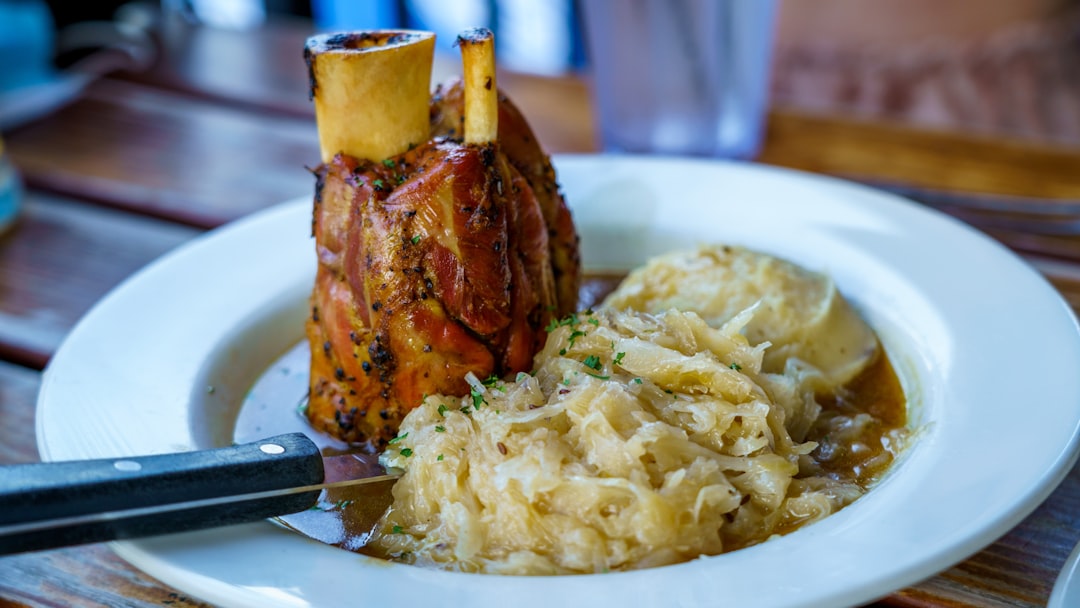
The diets react (see scores below)
Diet Ratings
Fatty cut of lamb with excellent fat-to-protein ratio. Zero carbs and provides collagen-rich connective tissue. Ideal for keto.
Lamb is animal flesh from sheep, explicitly excluded from vegan diets.
Lamb shank is an unprocessed muscle meat with connective tissue and marrow, both valued in paleo diets. It is nutrient-dense and available to hunter-gatherers. No processing, grains, or legumes involved.
Lamb is red meat and should be consumed only a few times per month. Shank is a tougher cut often braised, which can increase fat content through cooking methods. Acceptable occasionally in Mediterranean tradition but not frequent.
Lamb is a ruminant meat and highly favored on carnivore. Shank is a collagen-rich, fatty cut ideal for bone broth or slow cooking. Excellent micronutrient profile and fatty acid composition. No processing concerns.
Lamb shank is a whole, unprocessed meat cut fully compliant with Whole30. Excellent protein and fat source.
Lamb shank is unprocessed meat with no FODMAP content. Monash University rates plain cooked lamb as low-FODMAP regardless of cut or portion size.
Lamb shank is a fatty cut with 7-8g saturated fat per 3oz and high cholesterol. Red meat with significant marbling. DASH guidelines explicitly limit red meat and saturated fat. Braising methods often add sodium.
Lamb shank is relatively fatty (15-20g fat per 3.5oz cooked), with significant saturated fat content. While providing good protein, the fat profile exceeds Zone guidelines. Requires substantial portioning reduction or elimination of other fat sources in meal.
Lamb shank is a fatty cut with high saturated fat and arachidonic acid content. Red meat, especially fatty cuts, is pro-inflammatory and should be limited or avoided in anti-inflammatory diet.
Lamb shank is a tough, fatty cut with high saturated fat content (15-20g fat per 3oz) and requires long, slow cooking that produces a rich, heavy dish. The high fat content and dense texture make it poorly suited for GLP-1 patients. While protein is adequate (~20g per 3oz), the fat burden significantly outweighs the benefit.
Nutritional profile
Six traits that cut across every diet.
Fiber & Plants
How much whole-plant food and fiber it delivers.
Healthy Fats
The quality of its fats (unsaturated, omega-3).
Whole / Unprocessed
How close it is to its natural, unprocessed form.
Gut Gentle
How easy it is on digestion (low FODMAP, few irritants).
Low Glycemic
How little it spikes your blood sugar.
Protein Density
How much protein it packs per calorie.
Controversy Index
Score range: 1–10/10. Higher controversy = more disagreement between diets.
Diet-Specific Tips for Lamb shank
 Keto — 9/10
- Zero net carbs
- High saturated fat
- Collagen-rich
- Whole food
 Paleo — 9/10
- Unprocessed muscle meat
- Contains collagen and marrow
- Available to Paleolithic humans
- High nutrient density
 Mediterranean — 4/10
- Red meat category
- Higher fat content than lean cuts
- Traditional in Mediterranean cooking
- Braising method may add fat
- Limit to few times monthly
 Carnivore — 9/10
- Ruminant meat (preferred)
- Fatty, collagen-rich cut
- High micronutrient density
- Ideal for bone broth
 Whole30 — 10/10
- Whole meat cut
- No processing
- No excluded ingredients
 Low-FODMAP — 9/10
- Pure protein and fat
- No fermentable carbohydrates
- Cooking method does not introduce FODMAPs if plain
 Zone — 4/10
- Higher saturated fat than poultry
- Acceptable protein content
- Requires strict portion control
- Fat-heavy cooking method typical