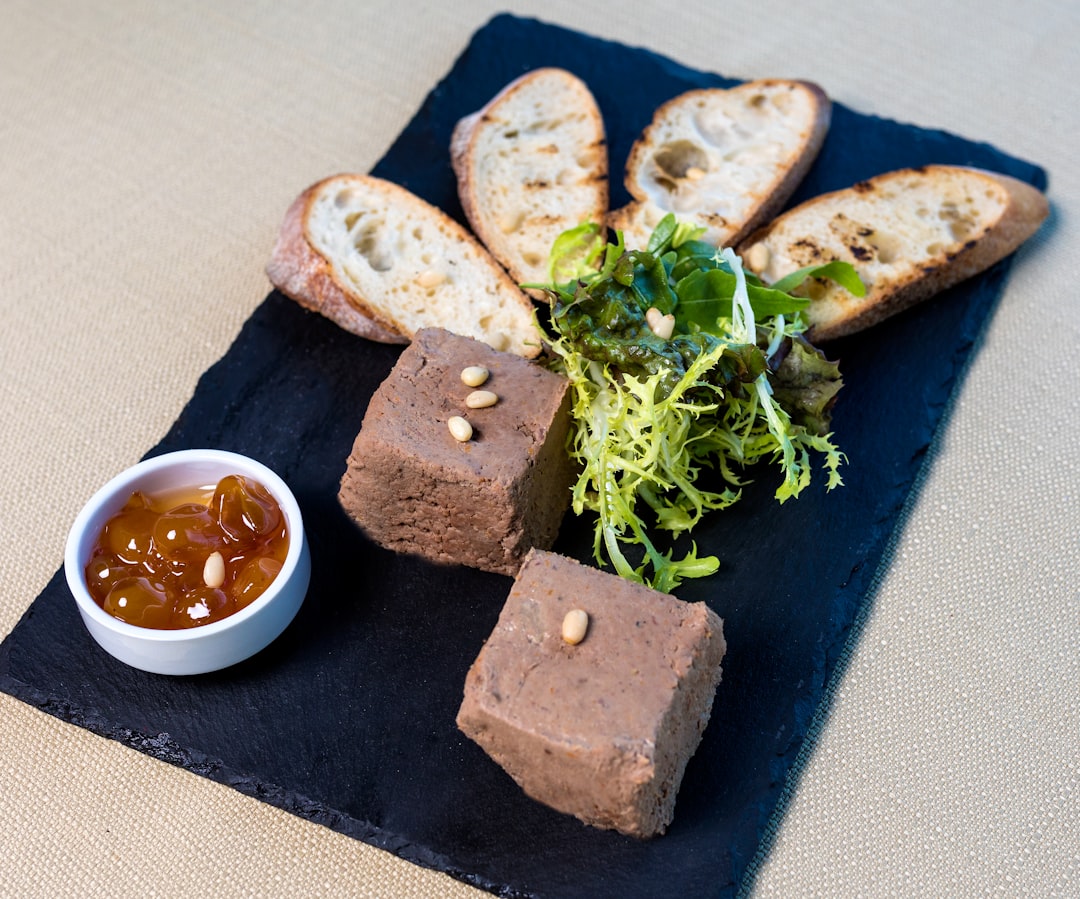
The diets react (see scores below)
Diet Ratings
Liver pâté varies significantly by brand. Quality versions with minimal additives contain 1-3g net carbs per serving and good fat content, but many commercial versions contain added sugars and starches. Requires careful label inspection.
Strict keto practitioners avoid liver pâté due to potential hidden sugars and fillers in most commercial products, preferring whole liver instead.
Animal organ product. Contains animal flesh and often dairy/eggs as binders. Explicitly non-vegan.
Organ meat (liver) is nutrient-dense and available to hunter-gatherers. If made from grass-fed liver without additives, it aligns with paleo principles. Check ingredients for added grains, legumes, or seed oils.
Highly processed organ meat product with added fats and sodium. Contradicts Mediterranean emphasis on whole foods and minimal processing. Excessive saturated fat.
Organ meat-based product. Liver is nutrient-dense and encouraged in carnivore diet. Pure animal-derived when made without plant additives or fillers. Excellent micronutrient profile.
Liver is compliant, but pâté often contains added ingredients like cream, wine, or sugar. Must verify label for excluded ingredients. Some commercial pâtés may contain non-compliant additives.
Melissa Urban's official guidance emphasizes checking processed meat products carefully. While liver itself is allowed, pâté's preparation and additives require scrutiny. Some community members avoid all pâtés due to processing concerns.
Liver pâté is low-FODMAP in principle (meat-based), but many commercial varieties contain garlic, onion, or shallots as flavoring agents. Homemade or verified brands without these additions are safe.
Monash University rates plain liver as low-FODMAP, but clinical practitioners recommend checking ingredient labels carefully as garlic and onion are common additives in commercial pâtés.
High in saturated fat, cholesterol, and sodium (especially if cured/processed). DASH limits organ meats due to cholesterol content and typically high sodium in prepared forms. Not aligned with cardiovascular health goals.
Liver is nutrient-dense (B vitamins, iron) but pâté is typically 70%+ fat, mostly saturated. High cholesterol. Dr. Sears acknowledges organ meats' micronutrient value but emphasizes lean protein priority. Pâté's fat profile conflicts with monounsaturated fat preference.
Some Zone practitioners value liver's polyphenol and micronutrient density enough to permit small portions (1 oz) as occasional protein source, accepting higher saturated fat for nutritional density.
Liver is nutrient-dense (B vitamins, iron, selenium) but pâté is typically high in saturated fat and often contains processed ingredients. Organ meats have mixed inflammatory profile depending on preparation and fat content.
Some paleo and ancestral diet advocates emphasize liver's micronutrient density and argue moderate consumption of high-quality liver pâté is acceptable. Dr. Weil does not specifically restrict organ meats but emphasizes lean preparations.
Extremely high fat (30-40g per 2 oz serving), high saturated fat, and rich/heavy texture that delays gastric emptying further. While nutrient-dense in micronutrients, the fat content and digestive burden make it unsuitable for GLP-1 patients experiencing nausea or bloating.
Nutritional profile
Six traits that cut across every diet.
Fiber & Plants
How much whole-plant food and fiber it delivers.
Healthy Fats
The quality of its fats (unsaturated, omega-3).
Whole / Unprocessed
How close it is to its natural, unprocessed form.
Gut Gentle
How easy it is on digestion (low FODMAP, few irritants).
Low Glycemic
How little it spikes your blood sugar.
Protein Density
How much protein it packs per calorie.
Controversy Index
Score range: 1–9/10. Higher controversy = more disagreement between diets.
Diet-Specific Tips for Liver pâté
 Keto — 5/10
- 1-3g net carbs (varies by brand)
- Often contains added sugars/starches
- High fat content when quality
- Requires label verification
 Paleo — 8/10
- organ meat
- nutrient-dense
- requires clean ingredient verification
 Carnivore — 9/10
- animal-derived
- organ meat
- nutrient-dense
- high micronutrients
- minimally processed
 Whole30 — 5/10
- Meat (liver) is compliant
- Processing and additives vary by brand
- Often contains cream or other dairy
- Label verification essential
 Low-FODMAP — 5/10
- Garlic/onion additives common
- Brand-dependent safety
- Homemade versions safer
 Zone — 5/10
- High saturated fat
- Nutrient-dense organ meat
- Processed preparation
- Portion control critical
 Anti-Inflammatory — 4/10
- high saturated fat in pâté form
- nutrient-dense (B12, iron, selenium)
- often contains additives
- processing method matters significantly