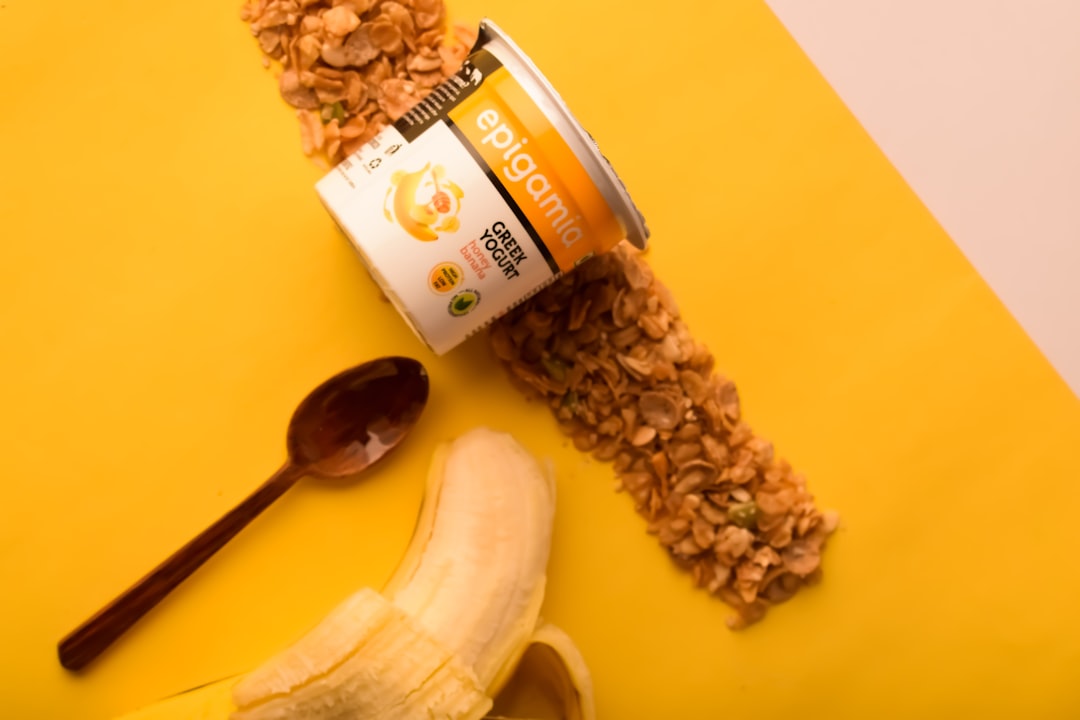
The diets react (see scores below)
Diet Ratings
Flavored low-fat yogurt typically contains 15-25g net carbs per serving due to added sugars and fruit. Low fat content means fewer calories from fat. Incompatible with keto macros and carb limits.
Yogurt is a dairy product made from milk. Flavored varieties often contain additional animal-derived ingredients or non-vegan additives.
Flavored low-fat yogurt is a dairy product with added sugars and additives. Paleo excludes all dairy and refined sugars. Double violation of paleo principles.
Flavored yogurts typically contain added sugars to compensate for low fat content. While yogurt is acceptable in Mediterranean diet, added sugars contradict core principles. Plain yogurt is preferred.
Low-fat dairy with added sugars and plant-based flavorings. Violates carnivore principles on multiple fronts: low fat content, added sugars, and plant-derived flavor compounds.
Yogurt is a dairy product explicitly excluded during Whole30. Flavored varieties also contain added sugar or artificial sweeteners.
Flavored low-fat yogurt typically contains added sugars and may contain high-fructose corn syrup or excess fructose. Additionally, low-fat yogurts often have higher lactose content than full-fat varieties. Monash University recommends avoiding flavored yogurts during elimination phase.
Low-fat dairy is DASH-approved, but flavored varieties contain added sugars (typically 12-25g per serving). Choose plain yogurt instead. Acceptable if sugar content is <5g per serving.
Flavored low-fat yogurt typically contains 15-25g added sugar per serving, creating high glycemic load. Low fat removes satiety factor. Violates Zone carb quality principle despite protein content.
Flavored low-fat yogurt typically contains added sugars (12-20g per serving) and often high-fructose corn syrup or artificial sweeteners. Added sugars are pro-inflammatory. Low-fat processing removes beneficial fats while concentrating sugar content.
Good protein source (~15-20g per 6oz) and probiotics support digestion. However, flavored versions typically contain 15-25g added sugar per serving, which is problematic for GLP-1 patients (empty calories, blood sugar spike, cravings). Low-fat is appropriate, but sugar content is the issue. Plain low-fat yogurt would score higher.
Some RDs accept flavored yogurt as a convenient protein source if sugar content is <10g per serving and patient tolerates it. Others recommend only plain yogurt with fresh fruit to control sugar intake and avoid triggering sweet cravings.
Nutritional profile
Six traits that cut across every diet.
Fiber & Plants
How much whole-plant food and fiber it delivers.
Healthy Fats
The quality of its fats (unsaturated, omega-3).
Whole / Unprocessed
How close it is to its natural, unprocessed form.
Gut Gentle
How easy it is on digestion (low FODMAP, few irritants).
Low Glycemic
How little it spikes your blood sugar.
Protein Density
How much protein it packs per calorie.
Controversy Index
Score range: 1–6/10. Higher controversy = more disagreement between diets.
Diet-Specific Tips for Low-fat yogurt (flavored)
 Mediterranean — 4/10
- Added sugars in flavored varieties
- Processed sweetening agents
- Plain yogurt is superior choice
- Contradicts minimal added sugar rule
 DASH — 6/10
- Added sugar concern
- Low-fat formulation approved
- Good calcium and protein
- Check label for sugar content
 GLP-1 Friendly — 5/10
- good protein density
- high added sugar in flavored versions
- probiotics aid digestion
- empty calories from sugar