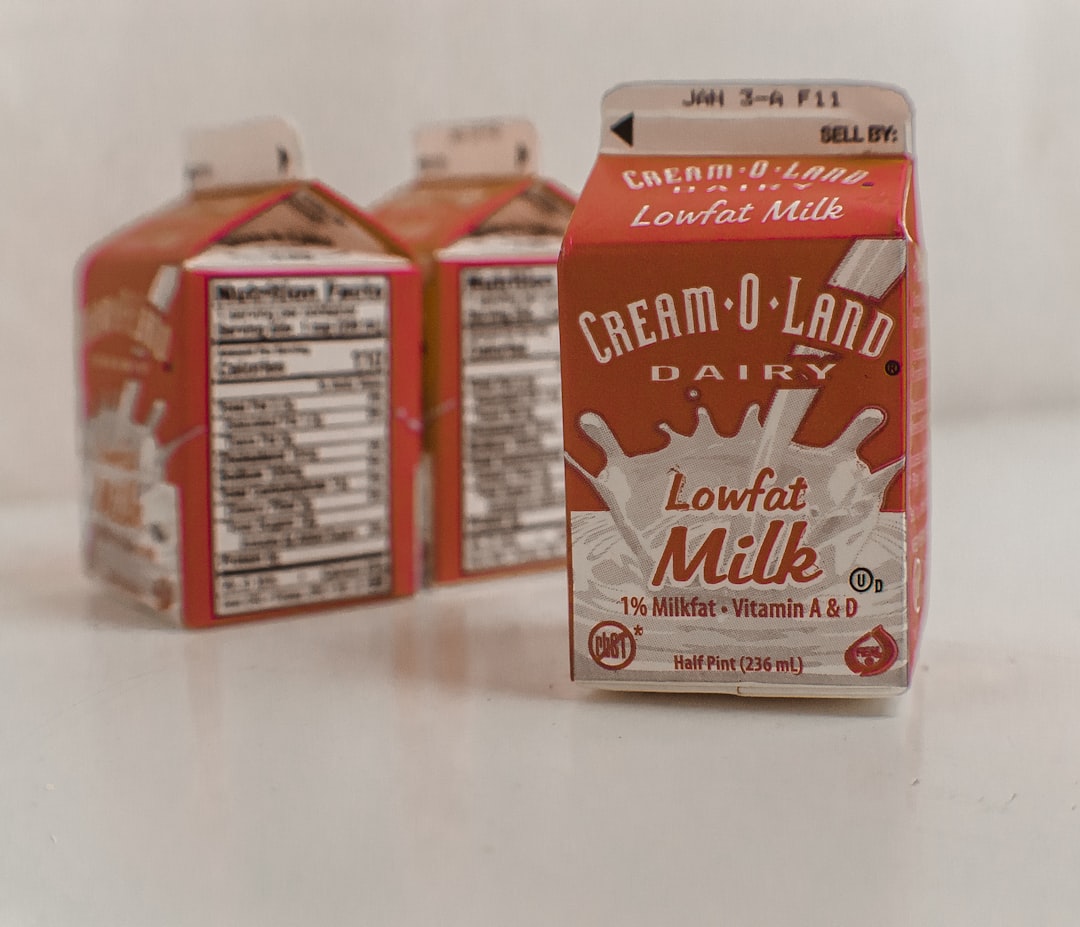
The diets react (see scores below)
Diet Ratings
Low-fat milk contains 12g net carbs per cup, primarily from lactose. Incompatible with keto macros. The reduced fat content makes it nutritionally poor for ketogenic goals. Even whole milk is problematic at 12g carbs per cup.
Cow's milk product. Contains casein and whey proteins from animal sources. Percentage refers only to fat content, not vegan status.
Dairy product with high lactose and casein content. Paleo excludes all milk and dairy. Low-fat processing does not change fundamental paleo incompatibility.
Acceptable dairy choice with reduced fat content. Provides calcium and protein. Fits within moderate dairy consumption guidelines of Mediterranean diet. Can be consumed daily in reasonable portions.
Low-fat milk is problematic for carnivore diet due to high lactose content, removal of beneficial fat, and processing. Even dairy-inclusive carnivores prefer full-fat options.
Milk is a dairy product explicitly excluded during the 30-day Whole30 elimination phase. All forms of milk including low-fat varieties are not permitted.
Low-fat milk contains significant lactose. Monash University rates it as high-FODMAP at any reasonable serving size (even ¼ cup/60ml exceeds limits). Lactose is the primary FODMAP concern.
Core DASH food. Excellent source of calcium, potassium, magnesium, and protein. Low sodium. 2% fat content aligns with DASH emphasis on low-fat dairy. Supports blood pressure reduction.
Moderate protein (3.3g per 100ml) but higher carbs (4.8g per 100ml, mostly lactose). Carb-to-protein ratio unfavorable for Zone. Better alternatives exist. Requires significant portioning to fit meal blocks.
Moderate dairy option with reduced saturated fat compared to whole milk. Provides protein and calcium but lacks probiotics. Dr. Weil's pyramid includes moderate dairy consumption. Non-fermented milk is less anti-inflammatory than yogurt or kefir.
2% milk provides 8g protein per cup but also 5g fat and 12g lactose. Moderate protein density but fat content and lactose sensitivity are concerns for GLP-1 patients. Many patients tolerate it; others experience bloating or nausea. Better alternatives exist (Greek yogurt, cottage cheese, protein shakes).
Some RDs view 2% milk as acceptable for hydration and protein, especially if tolerated; others recommend skim milk or non-dairy alternatives to minimize fat and lactose, particularly in early GLP-1 treatment when GI sensitivity is highest.
Nutritional profile
Six traits that cut across every diet.
Fiber & Plants
How much whole-plant food and fiber it delivers.
Healthy Fats
The quality of its fats (unsaturated, omega-3).
Whole / Unprocessed
How close it is to its natural, unprocessed form.
Gut Gentle
How easy it is on digestion (low FODMAP, few irritants).
Low Glycemic
How little it spikes your blood sugar.
Protein Density
How much protein it packs per calorie.
Controversy Index
Score range: 1–8/10. Higher controversy = more disagreement between diets.
Diet-Specific Tips for Low-fat milk (2%)
 Mediterranean — 7/10
- Reduced fat content
- Good calcium source
- Protein content
- Moderate consumption appropriate
- Traditional in Mediterranean regions
 DASH — 8/10
- Core DASH dairy
- Rich in calcium and potassium
- Low sodium
- Good protein source
- Low-fat formulation
 Zone — 5/10
- Lactose-driven carbohydrate content
- Moderate protein
- Unfavorable carb-to-protein ratio
- Highly portion-sensitive
 Anti-Inflammatory — 5/10
- Reduced saturated fat vs. whole milk
- Good protein and calcium
- No probiotics
- Moderate inflammatory profile
 GLP-1 Friendly — 5/10
- moderate protein per serving
- moderate fat content
- lactose sensitivity risk
- hydration support
- individual tolerance varies