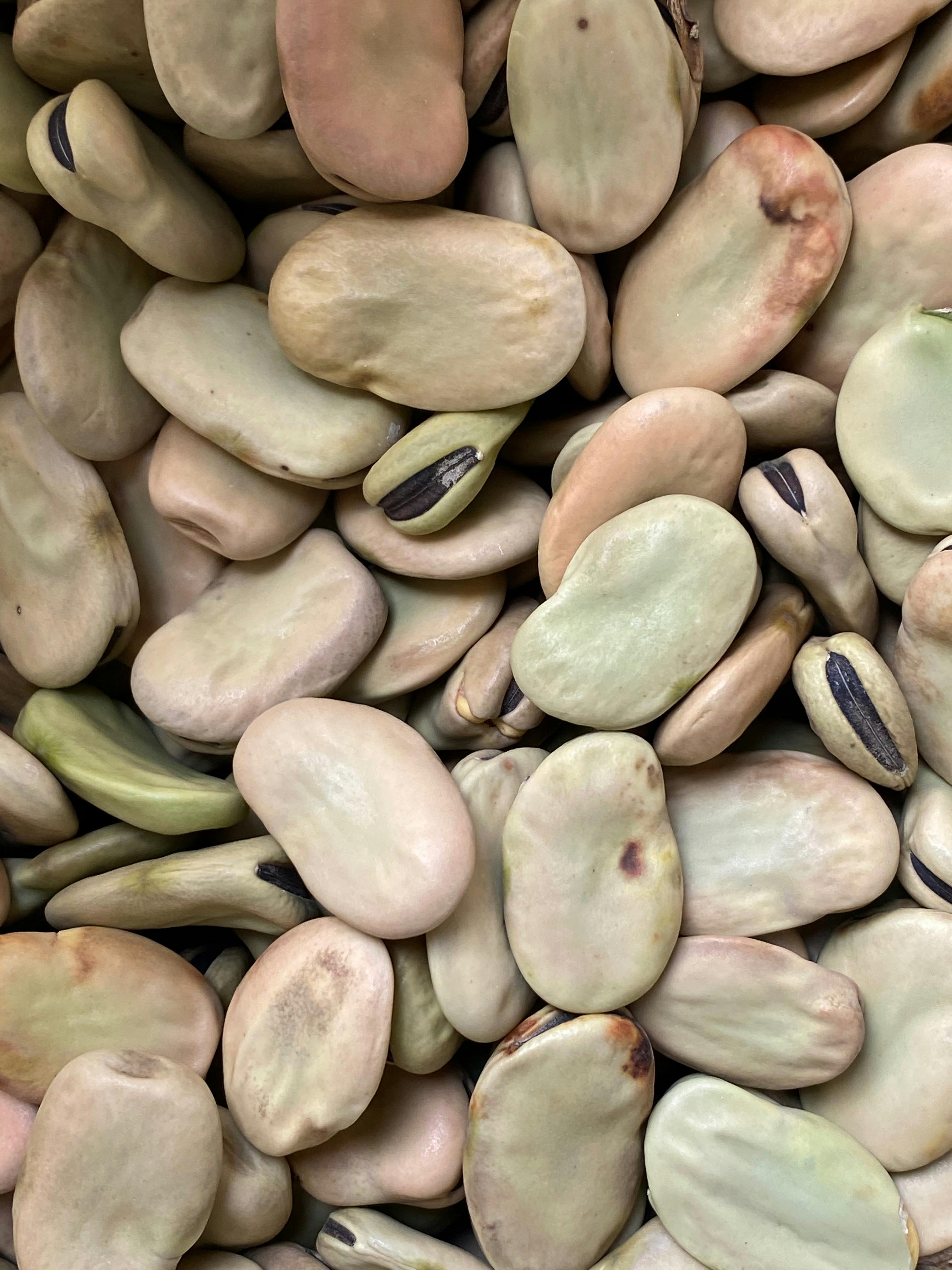
The diets react (see scores below)
Diet Ratings
Lupin beans are lower in carbs than other legumes (2-3g net carbs per 100g) and high in protein and fiber. Some keto practitioners include them in small portions; others avoid all legumes. Portion control is critical.
Strict keto advocates avoid lupin beans entirely as legumes, citing insulin response concerns and preferring zero-legume protocols; lazy keto practitioners may include small portions due to favorable carb-to-fiber ratio.
Whole legume, plant-based, exceptionally high in protein and fiber. Low glycemic index. Minimal processing. Excellent nutritional profile. Fully aligns with whole-food vegan principles.
Lupin beans are legumes, which are explicitly excluded from the paleo diet regardless of their nutritional profile or low glycemic index. Legume exclusion is a core paleo principle.
Whole legume with high protein and fiber, low glycemic index. Legumes are Mediterranean staples. Lupin is increasingly recognized in Mediterranean regions. Excellent nutritional profile aligns with core principles.
Legume seeds from lupin plant. Plant-derived and violates carnivore exclusion of all plant foods and legumes.
Lupin beans are legumes, which are explicitly excluded on Whole30. Despite being lower in carbohydrates and sometimes marketed as a health food, they remain non-compliant with the program's rules.
Lupin beans are legumes high in GOS (galacto-oligosaccharides). Monash University confirms legumes are high-FODMAP. Even small portions contain significant fermentable oligosaccharides.
Lupin beans are exceptional DASH foods: highest protein of all legumes (26g per 100g), very high fiber, rich in potassium and magnesium, minimal sodium. Supports all DASH nutritional goals.
Legume with exceptional macro profile: high protein (26g per 100g), very low net carbs (1-2g per 100g), high fiber. Excellent for vegetarian Zone building. Anti-inflammatory. Supports 40/30/30 ratio naturally. Superior to most plant proteins.
Exceptional legume with high protein, fiber, and polyphenols. Low glycemic index, supports gut health through resistant starch and prebiotic fiber. Minimal processing when whole. Excellent anti-inflammatory properties aligned with legume emphasis in anti-inflammatory diet.
Lupin beans are exceptional for GLP-1 patients: 26g protein per cooked cup, 10g fiber, minimal fat, and low glycemic index. Nutrient density is outstanding. Emerging as ideal legume for GLP-1 nutrition. Easy to digest and highly satiating.
Nutritional profile
Six traits that cut across every diet.
Fiber & Plants
How much whole-plant food and fiber it delivers.
Healthy Fats
The quality of its fats (unsaturated, omega-3).
Whole / Unprocessed
How close it is to its natural, unprocessed form.
Gut Gentle
How easy it is on digestion (low FODMAP, few irritants).
Low Glycemic
How little it spikes your blood sugar.
Protein Density
How much protein it packs per calorie.
Controversy Index
Score range: 1–9/10. Higher controversy = more disagreement between diets.
Diet-Specific Tips for Lupin beans
 Keto — 6/10
- 2-3g net carbs per 100g
- High fiber and protein
- Legume (debated)
- Portion-dependent acceptability
 Vegan — 9/10
- Whole food
- Very high protein
- High fiber
- Low glycemic index
- Sustainable crop
- Allergen consideration
 Mediterranean — 8/10
- Whole legume
- High protein and fiber
- Low glycemic index
- Mediterranean-compatible
- Minimal processing needed
 DASH — 9/10
- Highest legume protein content
- Exceptional fiber
- High potassium and magnesium
- Low sodium
- Minimal saturated fat
 Zone — 8/10
- High protein content
- Very low net carbs
- High fiber
- Excellent macro ratio
- Vegetarian-friendly
 Anti-Inflammatory — 8/10
- high protein and fiber
- polyphenols
- low glycemic index
- prebiotic fiber
- supports gut health
- minimal processing
 GLP-1 Friendly — 9/10
- Exceptional protein content
- High fiber
- Low fat
- Low glycemic index
- Nutrient-dense
- Emerging superfood for GLP-1