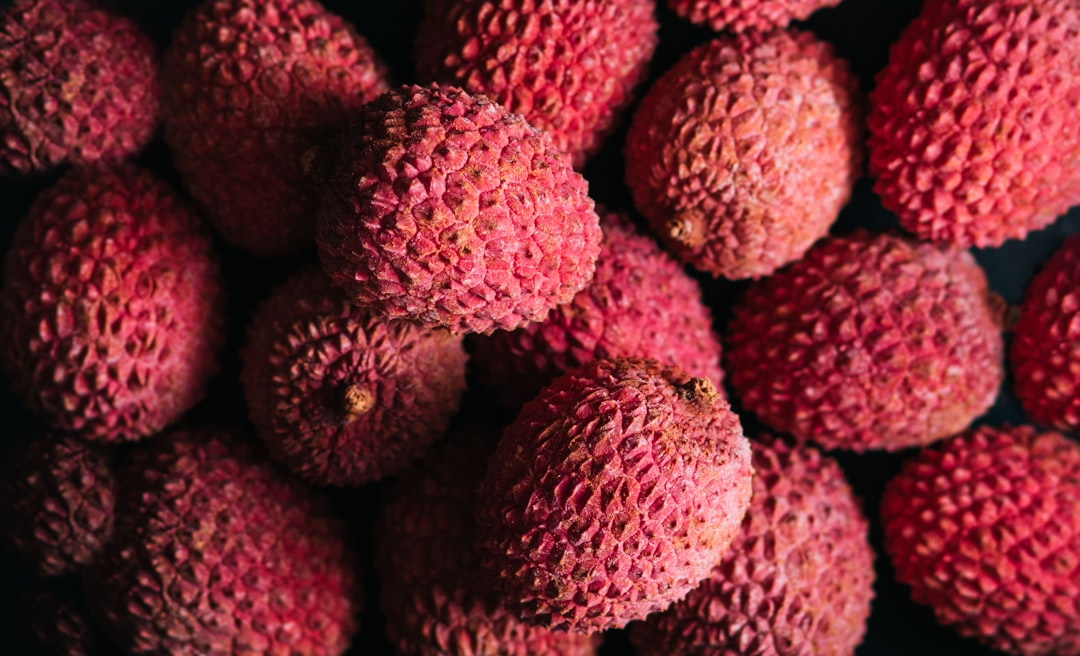
The diets react (see scores below)
Diet Ratings
Lychees are extremely high in carbs: 6g net carbs per ounce (roughly 3-4 fruits). One of the highest-carb fruits, making even small portions problematic for ketosis.
Whole plant fruit with no animal products or derivatives. Ideal vegan food meeting all dietary criteria.
Whole fruit available to hunter-gatherers in tropical regions. Unprocessed, nutrient-dense, good source of vitamin C. Natural sugars acceptable in moderation.
Whole fruit with vitamin C and antioxidants, but not traditional to Mediterranean region. Acceptable as occasional fruit variety but not a core staple. Imported nature and lower availability make it supplementary rather than foundational.
Modern Mediterranean diet interpretations increasingly include diverse fruits from global sources; lychee's nutritional profile supports inclusion as part of varied fruit consumption.
Lychees are plant-derived tropical fruit with high sugar content. Directly violates carnivore diet exclusion of all plant foods and fruits.
Lychees are whole fruits with no processing or added ingredients. Fruits are explicitly allowed on Whole30.
Lychees contain excess fructose and sorbitol. Monash testing is limited, but available data suggests high-FODMAP potential. Small portions may be tolerated by some individuals.
Monash University has limited testing on lychees. Some clinical practitioners suggest very small portions (1-2 fruits) may be tolerated, while others classify as high-FODMAP. Fructose:glucose ratio is unfavorable.
Acceptable fruit with some potassium and vitamin C, but higher natural sugar content than many DASH fruits. Not explicitly addressed in NIH guidelines.
Updated clinical interpretation: lychees are acceptable whole fruits on DASH due to fiber and nutrient content, but portion control recommended due to sugar density compared to other fruits.
High sugar content (~15g per 100g) with poor fiber. One lychee (~6g net carbs) requires careful counting. Glycemic load too high relative to nutritional benefit. Better fruit options available.
Lychees contain vitamin C, polyphenols, and antioxidants with anti-inflammatory properties. They have moderate natural sugar content but provide beneficial phytonutrients. Less commonly emphasized than other fruits but supportive of anti-inflammatory diet.
Moderate sugar (12.6g per 100g), lower fiber (1.3g per 100g), and higher calorie density than other fruits (66 cal per 100g). Water content is decent (82%) but sugar-to-fiber ratio less favorable. Better as occasional treat than daily fruit.
Some GLP-1 nutrition experts consider lychee acceptable in small portions due to water content and micronutrients, while others recommend limiting it due to higher sugar density relative to fiber. Individual blood sugar response varies.
Nutritional profile
Six traits that cut across every diet.
Fiber & Plants
How much whole-plant food and fiber it delivers.
Healthy Fats
The quality of its fats (unsaturated, omega-3).
Whole / Unprocessed
How close it is to its natural, unprocessed form.
Gut Gentle
How easy it is on digestion (low FODMAP, few irritants).
Low Glycemic
How little it spikes your blood sugar.
Protein Density
How much protein it packs per calorie.
Controversy Index
Score range: 1–10/10. Higher controversy = more disagreement between diets.
Diet-Specific Tips for Lychee
 Vegan — 10/10
- Whole plant food
- No processing
- No animal ingredients
 Paleo — 8/10
- Unprocessed whole food
- Available to Paleolithic humans (tropical regions)
- Natural sugars in moderation
- High vitamin C content
 Mediterranean — 6/10
- Non-traditional to Mediterranean
- Nutritionally sound whole fruit
- Limited regional availability
- Occasional consumption appropriate
 Whole30 — 10/10
- Whole fruit
- No additives
- Explicitly allowed
 Low-FODMAP — 4/10
- Excess fructose content
- Sorbitol present
- Limited Monash testing
- Small serving size may help
 DASH — 6/10
- Moderate potassium
- Good vitamin C
- Higher natural sugar
- Limited DASH data
 Anti-Inflammatory — 7/10
- high vitamin C content
- rich in polyphenols
- antioxidant properties
- moderate natural sugar
- less studied than other fruits
 GLP-1 Friendly — 5/10
- Moderate sugar content
- Lower fiber relative to sugar
- Decent water content
- Higher calorie density
- Portion-dependent