Diet Ratings
Pasta is the primary ingredient with 40-50g net carbs per serving. While cheese is keto-friendly, the pasta base makes this dish incompatible with ketosis. No reasonable portion size works for keto.
Contains dairy cheese and butter. Eggs often present in pasta. Non-vegan due to multiple dairy and egg products.
Pasta is grain. Cheese is dairy. Both are excluded on paleo diet.
Refined pasta with heavy cream and cheese sauce. High saturated fat, processed ingredients, refined grains, and minimal nutritional value directly contradict Mediterranean diet principles.
Pasta is grain-based (plant). Cheese is carnivore-compatible, but pasta is the primary component and fundamentally incompatible with diet.
Contains pasta (grain) and cheese (dairy), both explicitly excluded from Whole30.
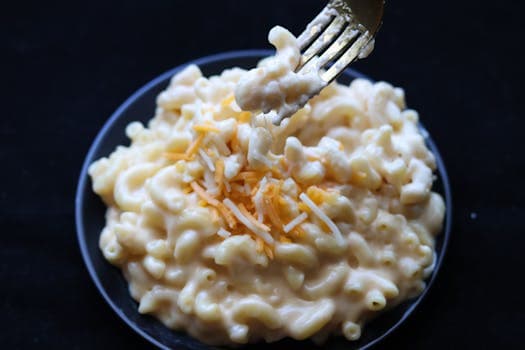
Mac and cheese is made from pasta (low-FODMAP), cheese (low-FODMAP), butter, and milk. All components are low-FODMAP at standard servings. The dish is safe provided no garlic or onion powder is added to the cheese sauce.
Extremely high in saturated fat (cheese, butter, cream) and sodium (cheese, processed pasta). Refined carbohydrates and minimal nutritional benefit. Fundamentally incompatible with DASH.
Refined pasta with high saturated fat from cheese and butter. Extremely high glycemic load and carbohydrate-dominant. Virtually impossible to balance for Zone macros. Sears recommends avoiding pasta entirely.
Refined pasta with minimal nutritional value combined with full-fat cheese and butter. High saturated fat, sodium, and refined carbs. No meaningful anti-inflammatory components.
Mac and cheese is high in saturated fat (butter, cheese), refined carbs (pasta), and low in fiber. It provides poor protein density relative to calories and fat content. The heavy, creamy texture worsens GLP-1 side effects (nausea, bloating, reflux). Minimal nutritional value per calorie makes it incompatible with reduced appetite.
Controversy Index
Score range: 1–8/10. Higher controversy = more disagreement between diets.