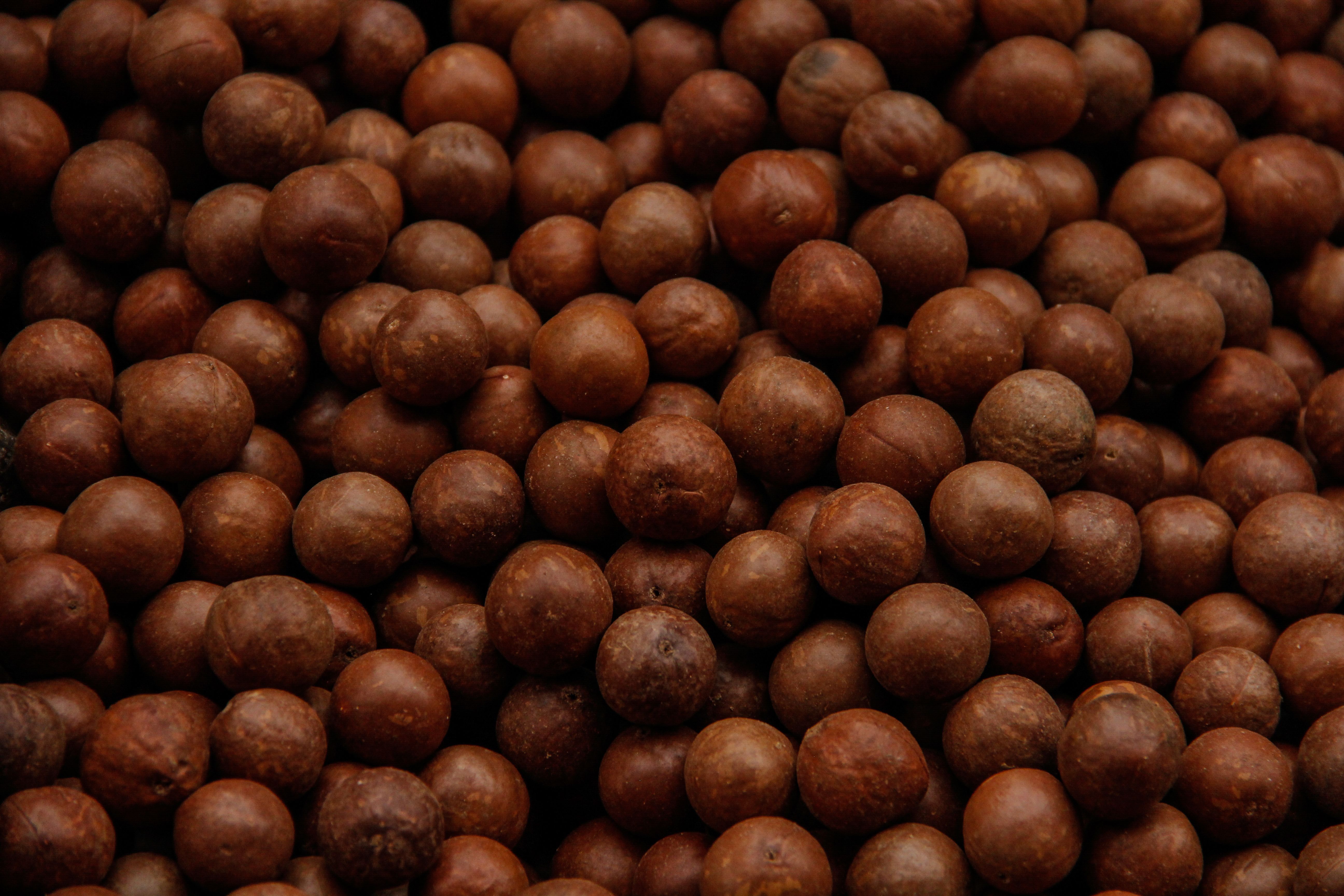
The diets react (see scores below)
Diet Ratings
Macadamia nuts contain ~2g net carbs per ounce and 21g fat per ounce. Highest fat-to-carb ratio of all nuts. Excellent keto snack with minimal processing. Superior to other nuts for keto macros.
Macadamia nuts are whole plant foods. Unprocessed, nutrient-dense, and fully compliant with vegan principles.
Unprocessed tree nuts with excellent omega-3 to omega-6 ratio. Rich in monounsaturated fats and minerals. No anti-nutrients. Paleo staple.
Macadamia nuts are nutrient-dense with healthy monounsaturated fats, fiber, and minerals. While not native to Mediterranean, they align with the principle of nuts as a staple food eaten multiple times daily. Similar nutritional profile to Mediterranean nuts.
Plant-derived seeds/nuts, directly violating carnivore diet principles. All nuts and seeds are excluded regardless of fat content or nutritional profile.
Whole nuts are fully compliant with Whole30. Macadamia nuts contain no excluded ingredients and are an approved fat and protein source.
Macadamia nuts are low-FODMAP at standard servings (10 nuts/23g per Monash). They are low in fermentable carbohydrates and polyols compared to other nuts.
While nuts are DASH-approved, macadamia nuts are highest in saturated fat (3.5g per ounce) compared to other nuts. Acceptable in small portions but almonds, walnuts, or pistachios are better choices. Portion control critical.
Some clinicians argue macadamia nuts' monounsaturated fat profile and mineral content justify inclusion despite higher saturated fat relative to other nuts.
Ideal monounsaturated fat source for Zone. Highest monounsaturated fat content of all nuts (~80%). Excellent for fat blocks. Low omega-6 ratio. Minimal carbs and provides satiety.
Macadamia nuts are rich in monounsaturated fats (similar to olive oil), low in omega-6 polyunsaturated fats, and contain polyphenols and antioxidants. Excellent anti-inflammatory nut choice with favorable fat profile compared to most other nuts.
Moderate protein (2g per oz) but very high fat (21g per oz) and calorie-dense (200 cal/oz). While unsaturated fats are preferred, macadamia nuts are extremely fat-dense. Better nut choices exist (almonds, walnuts). Portion control essential.
Some RDs view macadamia nuts as acceptable in very small portions (5-7 nuts) for satiety and nutrient density. Others recommend avoiding them entirely in favor of lower-fat nuts like almonds or sunflower seeds, especially early in GLP-1 treatment.
Nutritional profile
Six traits that cut across every diet.
Fiber & Plants
How much whole-plant food and fiber it delivers.
Healthy Fats
The quality of its fats (unsaturated, omega-3).
Whole / Unprocessed
How close it is to its natural, unprocessed form.
Gut Gentle
How easy it is on digestion (low FODMAP, few irritants).
Low Glycemic
How little it spikes your blood sugar.
Protein Density
How much protein it packs per calorie.
Controversy Index
Score range: 1–10/10. Higher controversy = more disagreement between diets.
Diet-Specific Tips for Macadamia nuts
 Keto — 9/10
- 2g net carbs per ounce
- 21g fat per ounce
- Best nut for keto
- Minimal processing
 Vegan — 10/10
- Whole plant food
- Unprocessed
- Nutrient-dense
- Nut-based
 Paleo — 9/10
- unprocessed tree nut
- excellent fat profile
- high in monounsaturated fats
- low omega-6
 Mediterranean — 8/10
- Healthy monounsaturated fats
- High fiber
- Nutrient-dense
- Minimal processing when raw
- Aligns with nut consumption principle
 Whole30 — 9/10
- Whole food
- No excluded ingredients
- Approved nut
- Natural fat source
 Low-FODMAP — 9/10
- Low polyol content
- Low fermentable carbohydrates
- Monash-tested at 23g serving
 DASH — 5/10
- Higher saturated fat than other nuts
- Good mineral content
- Calorie-dense
- Better nut alternatives available
 Zone — 9/10
- ~2g protein per oz
- ~21g fat per oz (80% monounsaturated)
- ~4g carbs per oz (mostly fiber)
- Lowest omega-6 of all nuts
- Excellent satiety
 Anti-Inflammatory — 8/10
- high monounsaturated fat
- low omega-6 content
- polyphenols and antioxidants
- favorable fat ratio
- calorie-dense (portion control important)
 GLP-1 Friendly — 4/10
- Moderate protein
- Very high fat
- Calorie-dense
- Requires strict portion control