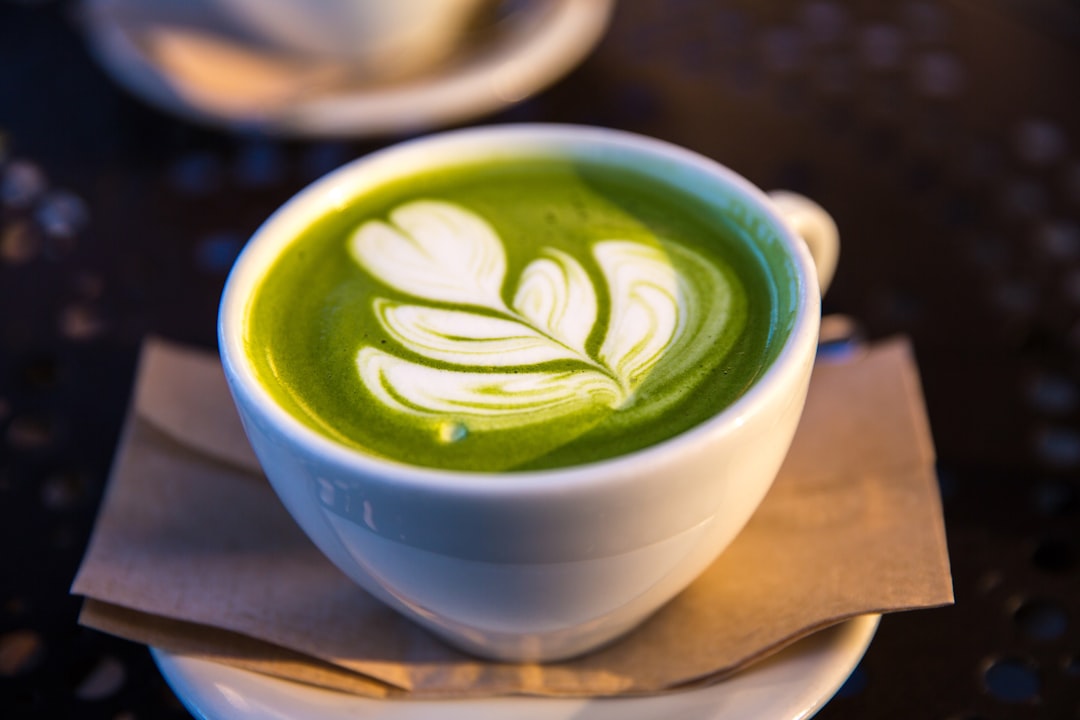
The diets react (see scores below)
Diet Ratings
Matcha powder itself is keto-friendly (~1g net carbs per serving), but traditional matcha lattes are made with milk and sweeteners. A keto-friendly version with unsweetened almond milk and no added sugar works; standard café versions contain 10-20g net carbs.
Preparation method creates debate: some keto practitioners avoid matcha lattes due to typical café preparation with sweetened milk, while others accept homemade versions with keto-approved ingredients.
Matcha itself is plant-based, but traditional lattes use dairy milk. Vegan if made with plant-based milk (almond, oat, soy). Depends on preparation.
Matcha is powdered green tea (processed), typically mixed with milk (dairy). If made with non-dairy milk (almond, coconut), the matcha powder itself is acceptable but processed. Dairy milk violates paleo.
Strict paleo excludes matcha as a processed powder and dairy milk. Modern paleo accepts matcha with non-dairy milk alternatives as a minor processing exception, though this is debated.
Matcha is a minimally processed green tea powder with antioxidants, but lattes typically contain added sugars and milk. Not traditionally Mediterranean. Acceptable if made with unsweetened milk and no added sugar, but not a core component.
Some argue matcha's antioxidant profile and minimal processing align with Mediterranean principles better than other modern beverages, making it acceptable as an occasional alternative.
Matcha latte is plant-derived (powdered green tea) mixed with milk. While milk is animal-derived, the primary component (matcha) is plant-based. Contains plant compounds, caffeine from plant source, and typically added sweeteners or plant-based milk alternatives.
Matcha powder itself is compliant (ground green tea leaves). However, a 'latte' typically implies milk-based preparation. If made with compliant milk alternative (coconut, almond) and no added sweetener, it is acceptable. Most commercial versions contain added sugar or dairy.
The term 'latte' traditionally implies dairy milk, which is excluded. Community interpretation varies on whether matcha lattes made with non-dairy milk align with Whole30 spirit, as they may recreate a coffee-shop beverage culture discouraged during the program.
Matcha powder itself is low-FODMAP. However, traditional matcha lattes are made with milk and sweeteners. Cow's milk contains lactose (FODMAP); plant-based milks vary. Added honey or sugar increases fructose.
Monash confirms matcha powder is low-FODMAP, but the latte preparation is critical. If made with lactose-free milk and no sweetener, it is low-FODMAP. If made with regular milk or sweetened, it becomes high-FODMAP. Clinical guidance depends entirely on preparation.
Matcha provides antioxidants and L-theanine, but traditional lattes use full-fat milk (saturated fat) and added sugar. Acceptable with low-fat/unsweetened milk and minimal added sugar. Depends heavily on preparation.
NIH DASH guidelines support green tea; matcha is concentrated green tea. However, traditional preparation with full-fat milk and sugar contradicts DASH. Updated interpretation: acceptable with low-fat milk and no added sugar.
Matcha provides polyphenols and EGCG (anti-inflammatory). However, typical latte with milk adds 12-15g carbs and 8-10g protein. Macro-balance depends on milk type and sweetener. Unsweetened almond milk version scores higher.
If made with whole milk and sugar, matcha latte becomes a high-glycemic beverage. Dr. Sears would approve matcha tea itself but caution on typical café preparations.
Matcha provides concentrated EGCG and catechins with superior bioavailability compared to steeped green tea. When prepared with unsweetened almond or plant milk, it's highly anti-inflammatory. Explicitly supported in Weil's framework.
Matcha provides hydration, antioxidants, and moderate caffeine (70mg per serving). If made with low-fat milk or almond milk and minimal added sugar, acceptable. However, caffeine on empty stomach may worsen nausea in some GLP-1 patients. Sugar content and milk fat are portion-dependent.
Some GLP-1 RDs approve matcha lattes as nutrient-dense hydration with minimal side effects, while others caution that caffeine may exacerbate nausea, especially on injection days or when consumed without food, and recommend timing matcha with meals rather than alone.
Nutritional profile
Six traits that cut across every diet.
Fiber & Plants
How much whole-plant food and fiber it delivers.
Healthy Fats
The quality of its fats (unsaturated, omega-3).
Whole / Unprocessed
How close it is to its natural, unprocessed form.
Gut Gentle
How easy it is on digestion (low FODMAP, few irritants).
Low Glycemic
How little it spikes your blood sugar.
Protein Density
How much protein it packs per calorie.
Controversy Index
Score range: 2–8/10. Higher controversy = more disagreement between diets.
Diet-Specific Tips for Matcha latte
 Keto — 5/10
- 1g net carbs (matcha powder alone)
- 10-20g net carbs (typical café preparation)
- Milk and sweetener additions critical
- Preparation method dependent
 Vegan — 5/10
- Matcha is plant-based
- Dairy milk makes it non-vegan
- Plant-based milk makes it vegan
- Preparation-dependent
 Paleo — 5/10
- Processed powder
- Dairy milk (if included)
- Caffeine
- Preparation method
 Mediterranean — 5/10
- Antioxidant content
- Often contains added sugars
- Not traditionally Mediterranean
- Depends on preparation method
 Whole30 — 6/10
- Matcha powder is compliant
- Milk base determines compliance
- Added sweeteners common in commercial versions
 Low-FODMAP — 5/10
- Matcha powder is low-FODMAP
- Milk type determines FODMAP status (lactose in regular milk)
- Sweeteners (honey, sugar) add fructose
- Preparation method is critical
 DASH — 6/10
- Antioxidants (EGCG)
- L-theanine for relaxation
- Often prepared with full-fat milk
- Added sugar common
 Zone — 6/10
- Polyphenol-rich (matcha)
- Milk adds carbs/protein
- Sweetener-dependent
- Preparation-critical
 Anti-Inflammatory — 8/10
- Concentrated polyphenols (EGCG)
- High antioxidant activity
- Sustained energy without crash
- Bioavailable form
- Preparation method matters
 GLP-1 Friendly — 6/10
- moderate caffeine
- hydration support
- antioxidants
- sugar content variable
- milk fat content variable
- caffeine may worsen nausea