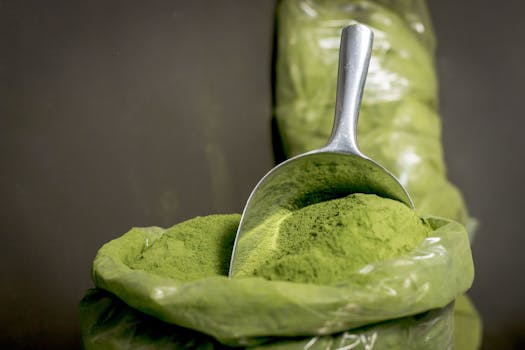
The diets react (see scores below)
Diet Ratings
Moringa powder is nutrient-dense with minimal net carbs (<1g per teaspoon), high in minerals and antioxidants, and fits keto perfectly. Excellent superfood addition in small quantities.
Whole-food derived powder from moringa leaves. Nutrient-dense superfood with high protein, minerals, and vitamins. Minimal processing. Fully plant-based and aligns with whole-food principles.
Moringa is a nutrient-dense plant leaf that could theoretically have been consumed by hunter-gatherers. However, the powdered form is processed and concentrated. Pure moringa powder with no additives is closer to paleo-compatible than commercial blends, but the processing contradicts whole-food philosophy.
Strict paleo practitioners argue that powdered supplements, even from whole plants, represent processing that contradicts the philosophy of eating whole foods as available in nature. Some paleo authorities accept it as a supplement in moderation.
Nutrient-dense plant powder with potential health benefits, but processed and not Mediterranean. Limited research on optimal use in Mediterranean context. Can be incorporated as supplement but not a core food.
Some Mediterranean nutritionists embrace nutrient-dense superfoods like moringa as compatible with plant-forward principles, while others argue it represents unnecessary processing when whole Mediterranean plants provide similar nutrients.
Powdered leaves from moringa tree (plant). Plant-derived supplement violates carnivore exclusion of all plant foods.
Moringa powder is a dried leaf powder from the moringa plant. It is a whole-food supplement with no excluded ingredients. While processed through drying, it is minimally processed and compliant with Whole30 guidelines.
Moringa leaves are not extensively tested by Monash University. Limited FODMAP data available. Moringa is high in fiber but FODMAP content is unclear. Clinical experience suggests it may be low-FODMAP in small amounts, but caution is warranted.
Monash University has not formally tested moringa powder. Clinical FODMAP practitioners have limited consensus; some consider it low-FODMAP in small portions (1-2 teaspoons), while others recommend caution due to high fiber and untested fermentable content.
Moringa is nutrient-dense with potassium, calcium, magnesium, and fiber. Low sodium and minimal processing. Supports DASH micronutrient goals. Limited clinical DASH-specific data but aligns with whole-food principles.
While moringa is nutrient-rich, NIH DASH guidelines emphasize whole foods over supplements/powders. Updated interpretation recognizes powders as acceptable when whole-food sources are limited.
Nutrient-dense superfood with minimal carbs (1-2g per tablespoon), high polyphenol content, anti-inflammatory. Excellent micronutrient profile. Supports Zone anti-inflammatory focus. No macro disruption. Enhances meals without carb burden.
Nutrient-dense superfood with exceptional polyphenol content, antioxidants, and anti-inflammatory compounds. High in vitamins, minerals, and complete protein. Minimal processing. Supports systemic inflammation reduction. Excellent addition to anti-inflammatory diet despite being supplement-like.
Moringa is nutrient-dense (vitamins, minerals, antioxidants) but provides minimal protein (2-3g per tablespoon) and minimal calories. Works as a nutrient supplement but cannot serve as a protein source. Taste is strong and may not be palatable in small servings.
Some functional nutrition advocates recommend moringa for micronutrient support in calorie-restricted GLP-1 patients, while others note the minimal protein contribution and strong taste limit practical utility in small-portion eating patterns.
Nutritional profile
Six traits that cut across every diet.
Fiber & Plants
How much whole-plant food and fiber it delivers.
Healthy Fats
The quality of its fats (unsaturated, omega-3).
Whole / Unprocessed
How close it is to its natural, unprocessed form.
Gut Gentle
How easy it is on digestion (low FODMAP, few irritants).
Low Glycemic
How little it spikes your blood sugar.
Protein Density
How much protein it packs per calorie.
Controversy Index
Score range: 1–8/10. Higher controversy = more disagreement between diets.
Diet-Specific Tips for Moringa powder
 Keto — 8/10
- <1g net carbs per teaspoon
- Nutrient-dense
- Whole food
- Minimal portion needed
 Vegan — 8/10
- Whole-food derived
- Nutrient-dense
- High protein content
- Minimal processing
- Sustainable sourcing available
 Paleo — 6/10
- Plant-based (potentially available to hunter-gatherers)
- Processed into powder form
- Concentrated nutrient form
- No additives in pure form
- Supplement vs. whole food distinction
 Mediterranean — 5/10
- Nutrient-dense
- Processed powder
- Non-Mediterranean origin
- Limited traditional use data
- Bioavailability questions
 Whole30 — 8/10
- Whole plant-based powder
- No excluded ingredients
- Minimally processed
- Nutrient-dense superfood
 DASH — 8/10
- High potassium, calcium, magnesium
- Good fiber content
- Low sodium
- Minimal processing
- Limited clinical DASH data
 Zone — 8/10
- Minimal carbs
- Polyphenol-rich
- Anti-inflammatory
- Micronutrient-dense
- Supports Zone principles
 Anti-Inflammatory — 8/10
- high polyphenol content
- complete protein
- exceptional antioxidants
- minimal processing
- bioavailable nutrients
 GLP-1 Friendly — 6/10
- Nutrient-dense
- Very low protein
- Strong taste
- Supplement role only
- Minimal caloric contribution