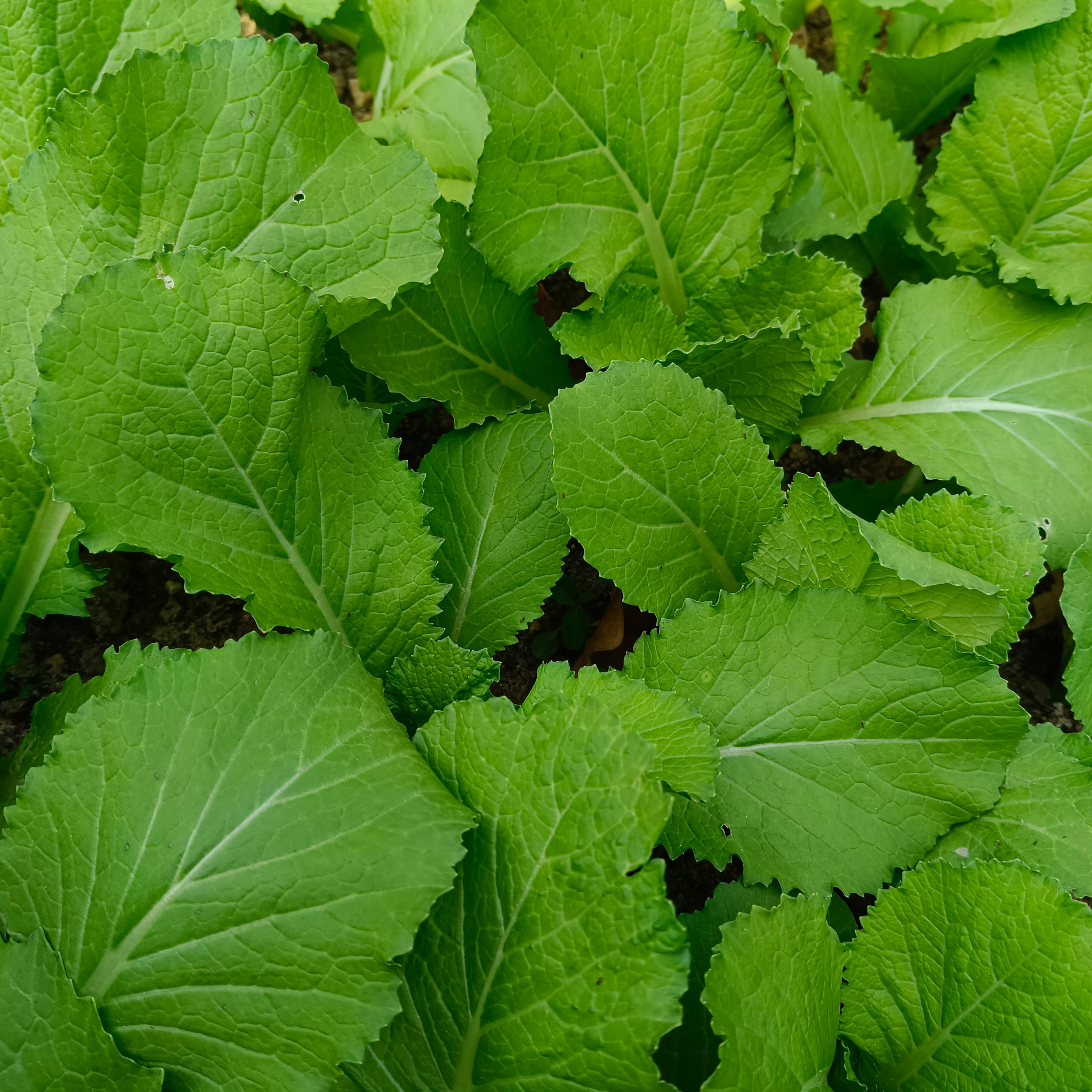
The diets react (see scores below)
Diet Ratings
Mustard greens contain ~0.5g net carbs per 100g. Excellent cruciferous leafy green with high fiber, nutrients, and virtually no carb impact on ketosis.
Whole plant food with no processing. Excellent source of calcium, vitamins K, A, and C. Fully vegan-compliant and nutrient-dense.
Cruciferous leafy green, unprocessed, nutrient-dense, low carb, available to hunter-gatherers. Excellent paleo staple with no anti-nutrient concerns.
Nutrient-dense leafy green with high vitamin K, calcium, and antioxidants. Fits Mediterranean emphasis on abundant vegetable consumption. Can be sautéed with olive oil and garlic.
Leafy green vegetable, plant-derived. All vegetables are excluded from carnivore diet. No animal products present.
Mustard greens are whole, unprocessed leafy vegetables with no excluded ingredients. Fully compliant and nutrient-dense.
Mustard greens are low-FODMAP at all reasonable serving sizes per Monash University. Low in fructans, GOS, lactose, and polyols. Excellent leafy green choice.
Dark leafy green, exceptional source of calcium, potassium, magnesium, fiber, and vitamins A, C, K. Minimal sodium. Core DASH vegetable.
Excellent low-glycemic leafy green (~0.5g net carbs per cup). Very high in polyphenols, glucosinolates, and anti-inflammatory compounds. Ideal for Zone vegetable servings. Supports anti-inflammatory focus. Nutrient-dense and unlimited portion potential.
Cruciferous leafy green with exceptional anti-inflammatory profile. High in vitamins K, C, A, and folate. Rich in glucosinolates and polyphenols. Supports detoxification and reduces systemic inflammation. Nutrient density is outstanding.
Excellent GLP-1 food. High water content (~91%), low calorie (~36 cal per cup cooked), ~3.2g fiber per cup, ~3.2g protein per cup (high for a vegetable), minimal fat. Nutrient-dense (calcium, vitamins A/C/K, iron). Easy to digest. Supports all seven priority criteria.
Nutritional profile
Six traits that cut across every diet.
Fiber & Plants
How much whole-plant food and fiber it delivers.
Healthy Fats
The quality of its fats (unsaturated, omega-3).
Whole / Unprocessed
How close it is to its natural, unprocessed form.
Gut Gentle
How easy it is on digestion (low FODMAP, few irritants).
Low Glycemic
How little it spikes your blood sugar.
Protein Density
How much protein it packs per calorie.
Controversy Index
Score range: 1–10/10. Higher controversy = more disagreement between diets.
Diet-Specific Tips for Mustard greens
 Keto — 9/10
- 0.5g net carbs per 100g
- High fiber content
- Nutrient-dense
- Unlimited portions
 Vegan — 10/10
- Whole plant food
- High in calcium and micronutrients
- No processing required
- Sustainable leafy green
 Paleo — 9/10
- Whole leafy green
- Nutrient-dense
- Low carbohydrate
- No anti-nutrients
 Mediterranean — 9/10
- Whole plant food
- Exceptional nutrient density
- Traditional Mediterranean preparation
- High fiber and minerals
 Whole30 — 9/10
- Whole vegetable
- No excluded ingredients
- Nutrient-dense leafy green
 Low-FODMAP — 9/10
- low fructan content
- low GOS content
- unrestricted serving size
 DASH — 9/10
- High calcium content
- Rich in potassium
- Excellent fiber
- Low sodium
 Zone — 9/10
- extremely low glycemic load
- high polyphenol content
- glucosinolates (anti-inflammatory)
- nutrient-dense
- ideal Zone vegetable
 Anti-Inflammatory — 9/10
- cruciferous
- glucosinolates
- vitamin K
- polyphenols
- detoxification support
- high antioxidants
 GLP-1 Friendly — 8/10
- high water content
- high fiber for vegetable
- high protein for vegetable
- nutrient-dense
- easy to digest