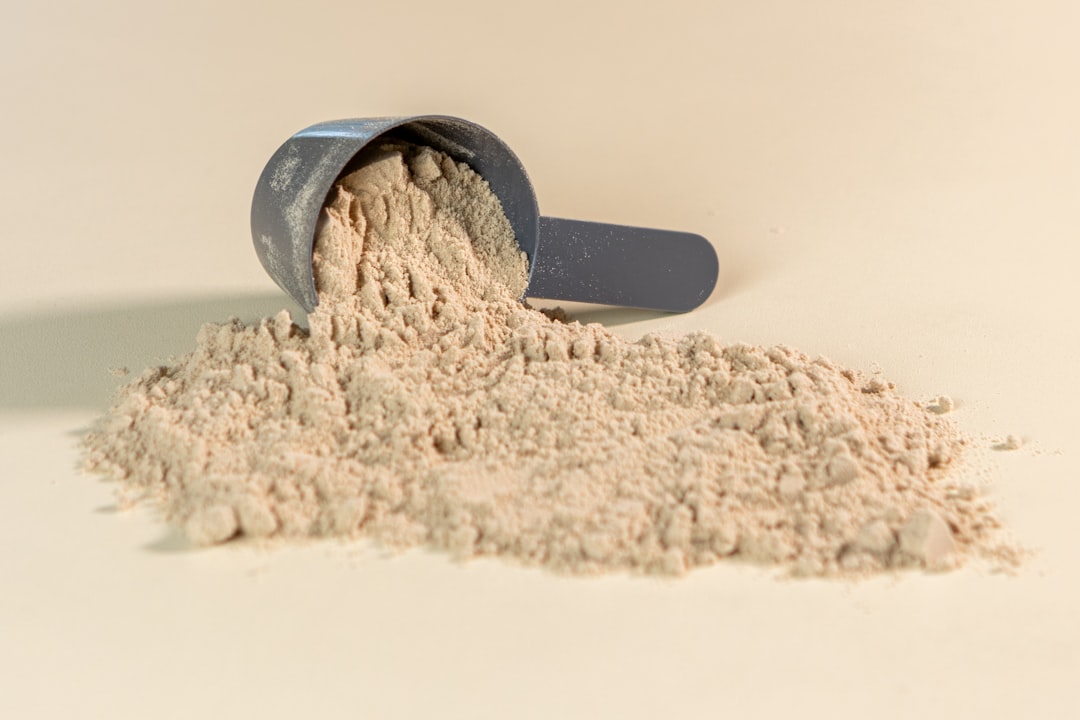
Nutritional yeast
Rated by 11 diets
The diets react (see scores below)
Diet Ratings
Nutritional yeast contains ~1g net carbs per tablespoon and is fortified with B vitamins. Small amounts (1-2 tsp) fit within daily carb limits, but regular use can accumulate carbs. Umami flavor appeals to keto dieters seeking variety.
Some strict keto practitioners avoid it entirely due to carb content and processing; others incorporate it freely in small amounts as negligible impact.
Whole food derivative, excellent source of B12, protein, and minerals. Minimally processed and nutrient-dense. Widely endorsed by vegan nutritionists.
Nutritional yeast is a processed byproduct of beer brewing or other fermentation. It is not a whole food available to Paleolithic humans and contains additives. While it provides B vitamins, the processing and non-ancestral nature disqualify it from paleo.
Fortified processed food providing B vitamins and protein. Not traditional to Mediterranean diet but acceptable as occasional supplement. Some modern Mediterranean practitioners incorporate it; others view it as unnecessary processed food.
Some contemporary Mediterranean diet advocates accept nutritional yeast as a plant-based protein source, particularly in vegan adaptations of the diet.
Fungal product derived from Saccharomyces cerevisiae. Not an animal product and contains plant-derived compounds. Explicitly excluded from carnivore diet.
Nutritional yeast is an inactive yeast product, often fortified with B vitamins and other additives. It is a processed supplement-like food that does not align with Whole30's focus on whole, unprocessed foods. Not explicitly listed as compliant by official Whole30 guidelines.
Nutritional yeast is low in FODMAPs. Monash testing confirms it is suitable for low-FODMAP diet at typical serving sizes (1-2 tablespoons).
Excellent source of B vitamins, protein, and minerals. Low sodium (when unflavored), minimal fat, and nutrient-dense. Aligns well with DASH emphasis on whole foods and plant-based proteins.
Nutritional yeast is low-glycemic and provides B vitamins and some protein (~8g per 2 tbsp), but is calorie-dense and carb-heavy relative to protein. Useful as a flavoring agent in small portions but difficult to build a balanced Zone meal around. Macro ratio skews toward carbs.
Some Zone practitioners view nutritional yeast as acceptable seasoning in minimal amounts (1-2 tsp) due to negligible impact on macros, though Dr. Sears' core materials do not prominently feature it.
Rich in B vitamins, complete protein, and contains beta-glucans with immune-modulating properties. Minimal inflammatory markers. Adds nutritional density without inflammatory compounds. Supports plant-based anti-inflammatory diets well.
Nutritional yeast is nutrient-dense with 8g protein and 3g fiber per 2-tablespoon serving, plus B vitamins (especially B12, critical for vegans). Low fat, easy to digest, works well in small portions. Excellent calorie-to-nutrient ratio for GLP-1 patients.
Nutritional profile
Six traits that cut across every diet.
Fiber & Plants
How much whole-plant food and fiber it delivers.
Healthy Fats
The quality of its fats (unsaturated, omega-3).
Whole / Unprocessed
How close it is to its natural, unprocessed form.
Gut Gentle
How easy it is on digestion (low FODMAP, few irritants).
Low Glycemic
How little it spikes your blood sugar.
Protein Density
How much protein it packs per calorie.
Controversy Index
Score range: 1–8/10. Higher controversy = more disagreement between diets.
Diet-Specific Tips for Nutritional yeast
 Keto — 5/10
- ~1g net carbs per tablespoon
- Processed/fortified
- Portion control required
- Umami flavor benefit
 Vegan — 8/10
- Complete B-vitamin profile
- High protein content
- Fortified B12 source
- Minimal processing
 Mediterranean — 5/10
- Processed food
- Not traditional
- Provides B vitamins
- Acceptable in moderation
 Low-FODMAP — 8/10
- Deactivated yeast product
- Low fermentable carbohydrate content
- Standard serving 1-2 tablespoons
 DASH — 8/10
- Rich in B vitamins
- Good protein source
- Low sodium (unflavored)
- Minimal fat
- Nutrient-dense
 Zone — 5/10
- Low-glycemic carbs
- Moderate protein density
- Calorie-dense
- Best used as condiment
 Anti-Inflammatory — 8/10
- Complete protein
- B vitamin complex
- Beta-glucans
- Minimal processing
- Low inflammatory load
 GLP-1 Friendly — 8/10
- High protein density
- Good fiber content
- Low fat
- B12 fortification
- Works in small portions
- Nutrient-dense