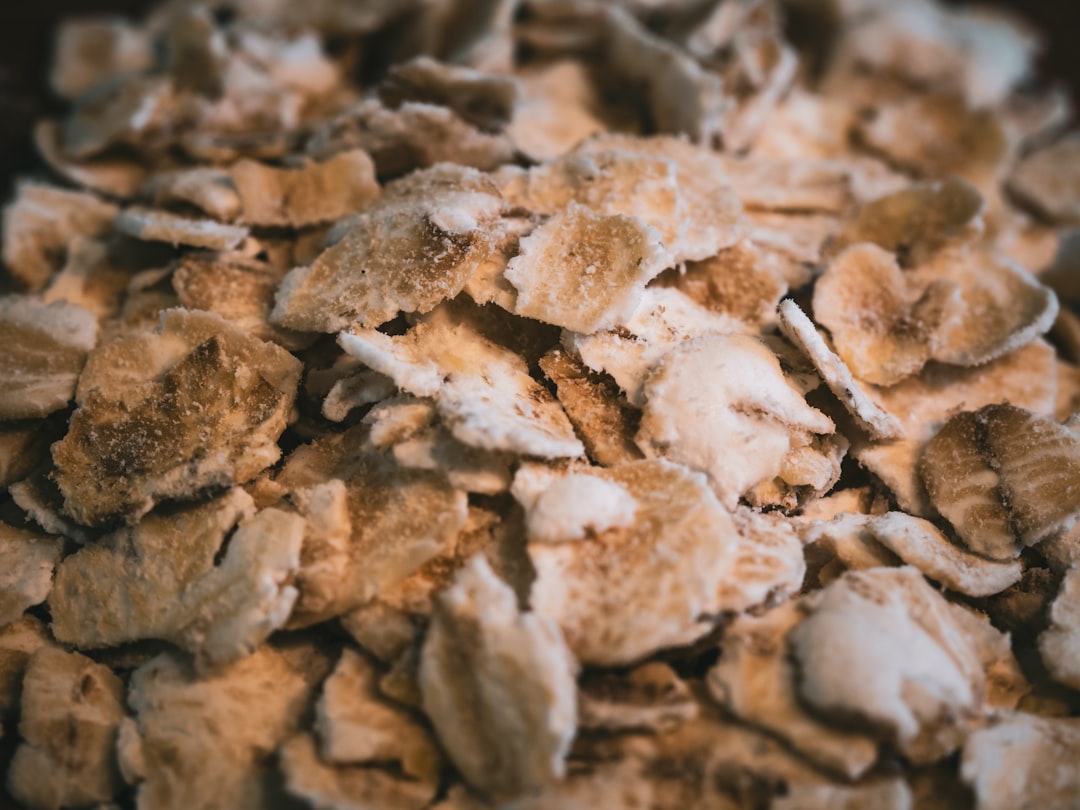
Nutritional yeast flakes
Rated by 11 diets
The diets react (see scores below)
Diet Ratings
Low carbs (1-2g per tablespoon) and high B vitamins, but some keto practitioners avoid due to processing and potential for overconsumption. Portion control essential.
Strict whole-food keto advocates question the necessity of fortified processed yeast, preferring whole food nutrient sources, though carb content is minimal.
Nutritional yeast is a deactivated yeast product, 100% plant-based, and provides B vitamins including B12 (when fortified). Universally approved by vegan organizations.
Nutritional yeast is a processed byproduct of beer brewing (Saccharomyces cerevisiae). While technically a fungus not a grain, it is a processed food product not available to hunter-gatherers. Not endorsed by paleo authorities.
Nutritional yeast is a processed food but provides B vitamins and protein. It's not traditional to Mediterranean cuisine but aligns with plant-based emphasis. Minimal processing compared to other supplements, though whole foods remain preferable.
Some Mediterranean diet advocates accept nutritional yeast as a convenient plant-based protein and B12 source, particularly for vegetarians, though traditional Mediterranean regions would use whole grains and legumes instead.
Nutritional yeast is a deactivated fungus (Saccharomyces cerevisiae) grown on plant-based substrates. Not an animal product. Contains plant-derived B vitamins and violates carnivore exclusion of non-animal foods.
Nutritional yeast is a processed food product derived from deactivated yeast. While technically not in the excluded list, it is a processed supplement-like food that conflicts with Whole30's whole-food emphasis and is not explicitly approved.
Some community members argue nutritional yeast is compliant as it contains no excluded ingredients and is a whole-food derivative. However, official Whole30 guidance does not explicitly endorse it, and it represents a processed convenience food.
Nutritional yeast is low-FODMAP at small portions (1-2 tablespoons per Monash), but larger amounts may exceed FODMAP thresholds due to accumulated carbohydrates. Serving size is critical.
Monash University rates nutritional yeast as low-FODMAP only up to 1-2 tablespoon servings. Some practitioners recommend avoiding due to potential GOS content and fermentation byproducts, though evidence is limited.
Excellent source of B vitamins, protein, and minerals (magnesium, potassium). Very low sodium, no saturated fat. Supports plant-based protein intake. Whole-food derived with minimal processing. Aligns with DASH emphasis on nutrient density.
Provides B vitamins and ~8g protein per 2 tablespoons with ~5g carbs. Low glycemic impact. However, carb-to-protein ratio is suboptimal for Zone (roughly 1:1.6 instead of ideal 1:1). Usable as flavoring/supplement but not primary protein.
Rich in B vitamins, selenium, and polyphenols. Contains beta-glucans with immune-modulating properties. Low inflammatory potential. Good source of complete protein and umami flavor without inflammatory additives when unflavored.
High protein density (8g per 2 tablespoon serving), complete protein with all essential amino acids. Rich in B vitamins (especially B12 for plant-based eaters), low fat, nutrient-dense per calorie. Easy to digest, versatile (sprinkle on vegetables, eggs, soups). Minimal GI impact. Excellent for GLP-1 patients seeking plant-based protein variety.
Nutritional profile
Six traits that cut across every diet.
Fiber & Plants
How much whole-plant food and fiber it delivers.
Healthy Fats
The quality of its fats (unsaturated, omega-3).
Whole / Unprocessed
How close it is to its natural, unprocessed form.
Gut Gentle
How easy it is on digestion (low FODMAP, few irritants).
Low Glycemic
How little it spikes your blood sugar.
Protein Density
How much protein it packs per calorie.
Controversy Index
Score range: 1–9/10. Higher controversy = more disagreement between diets.
Diet-Specific Tips for Nutritional yeast flakes
 Keto — 5/10
- 1-2g net carbs per tablespoon
- B-vitamin fortification
- Processed food
- Easy to overconsume
 Vegan — 9/10
- Plant-derived (fungal)
- Often B12-fortified
- Whole-food friendly
- No animal products or derivatives
 Mediterranean — 6/10
- Processed food product
- Good nutrient density
- Plant-based protein
- Non-traditional ingredient
 Low-FODMAP — 5/10
- Portion-dependent (max 1-2 tablespoons)
- Contains some carbohydrates
- Fermentation byproducts unclear
 DASH — 8/10
- B vitamin complex
- plant-based protein
- low sodium
- magnesium and potassium
- minimal processing
 Zone — 6/10
- Incomplete protein
- Carb-to-protein ratio off
- B vitamin rich
- Low glycemic
 Anti-Inflammatory — 7/10
- Beta-glucans support immune function
- High in B vitamins and selenium
- Complete protein
- Choose unflavored varieties to avoid additives
 GLP-1 Friendly — 8/10
- high protein density
- complete protein
- B vitamin rich
- low fat
- nutrient-dense
- versatile