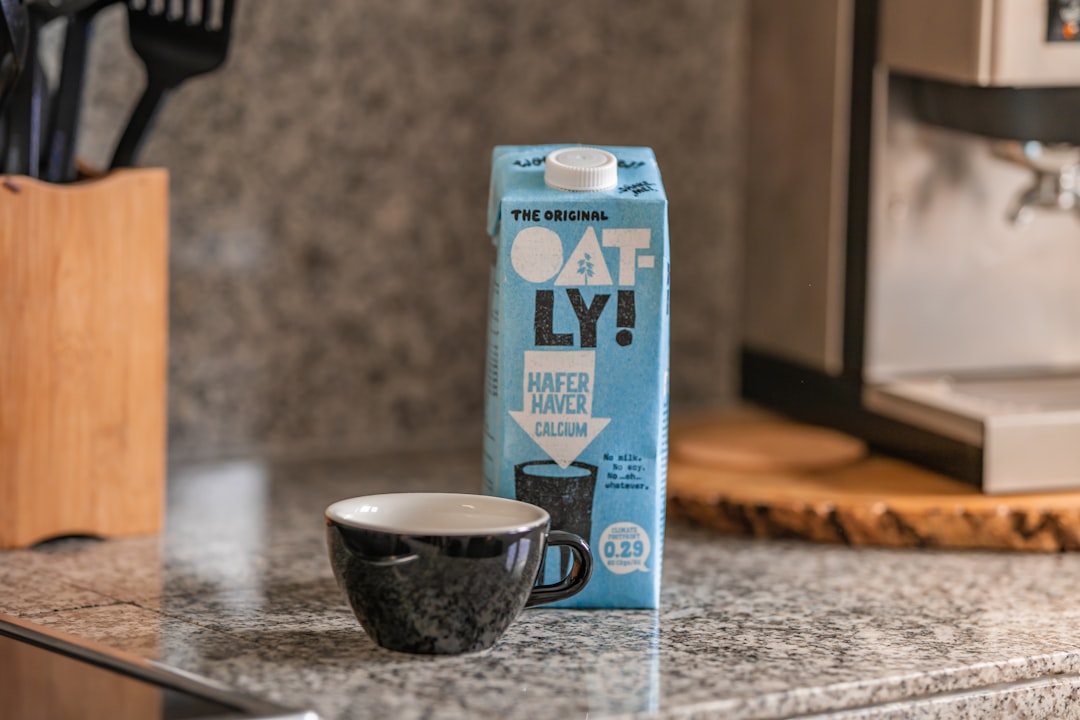
The diets react (see scores below)
Diet Ratings
Oat milk contains 2-3g net carbs per cup (unsweetened) and significantly more in sweetened versions. Made from oats, a grain product incompatible with keto. Not recommended as a milk alternative for ketogenic diet.
Plant-based milk alternative made from oats and water. Fully compliant with vegan diet. Whole grain-based with minimal processing in unsweetened versions.
Made from oats, which are grains. Paleo excludes all grains regardless of processing or form. Oat milk is doubly problematic: grain-based and processed.
Plant-based alternative with whole grain base. Better than some alternatives but often processed with additives. Acceptable for dairy-free needs, but whole oats and traditional dairy preferred.
Modern Mediterranean diet interpretations increasingly accept oat milk as a sustainable, plant-forward choice aligned with whole grain emphasis.
Plant-derived beverage made from oats (grain). Directly violates carnivore diet principle of excluding all plant foods and grains.
Oat milk is made from oats, which are a grain explicitly excluded during the 30-day Whole30 elimination phase. Grains and grain-derived products are not permitted.
Oat milk contains fructans from oats. Monash University rates it as high-FODMAP at any reasonable serving size due to fructan content in oats, even though some brands may have lower amounts.
Low sodium, low saturated fat dairy alternative. Fortified versions provide calcium. Contains beta-glucan fiber beneficial for cholesterol. Unsweetened varieties preferred. Aligns well with DASH principles.
Higher carbs (10g per cup) relative to protein (2-3g per cup). Oats are moderate-glycemic; processing into milk concentrates carbs. Usable but requires careful portioning. Unsweetened varieties only.
Plant-based alternative with beta-glucans (soluble fiber) that support anti-inflammatory response. Unsweetened versions preferred. Contains polyphenols from oats. Lower inflammatory profile than dairy. Verify minimal additives.
Oat milk provides 2-3g protein per cup and some fiber (1-2g), supporting hydration and digestion. However, most commercial versions contain added sugars (5-7g per cup) and processed additives (gums, oils). Not a reliable protein source. Better as a beverage than a nutritional staple.
Some RDs accept oat milk as a hydration choice with modest fiber benefit; others caution that added sugars and processing additives may trigger cravings or GI distress in GLP-1 patients, recommending unsweetened versions or whole-food alternatives.
Nutritional profile
Six traits that cut across every diet.
Fiber & Plants
How much whole-plant food and fiber it delivers.
Healthy Fats
The quality of its fats (unsaturated, omega-3).
Whole / Unprocessed
How close it is to its natural, unprocessed form.
Gut Gentle
How easy it is on digestion (low FODMAP, few irritants).
Low Glycemic
How little it spikes your blood sugar.
Protein Density
How much protein it packs per calorie.
Controversy Index
Score range: 1–9/10. Higher controversy = more disagreement between diets.
Diet-Specific Tips for Oat milk
 Vegan — 9/10
- 100% plant-based
- No animal-derived ingredients
- Whole grain source (oats)
 Mediterranean — 5/10
- Whole grain base
- Plant-based alternative
- Often contains additives
- Acceptable for dairy-free
- Whole grains preferred in other forms
 DASH — 8/10
- Very low sodium
- Low saturated fat
- Contains beneficial fiber
- Fortified with calcium
- Choose unsweetened
- Good dairy alternative
 Zone — 5/10
- Elevated carbohydrate content
- Low protein relative to carbs
- Moderate glycemic load
- Portion-dependent utility
 Anti-Inflammatory — 7/10
- Beta-glucans (soluble fiber)
- Polyphenols from oats
- Low saturated fat
- Plant-based alternative
- Choose unsweetened
 GLP-1 Friendly — 5/10
- low protein
- modest fiber content
- added sugars in most brands
- processed additives
- hydration support