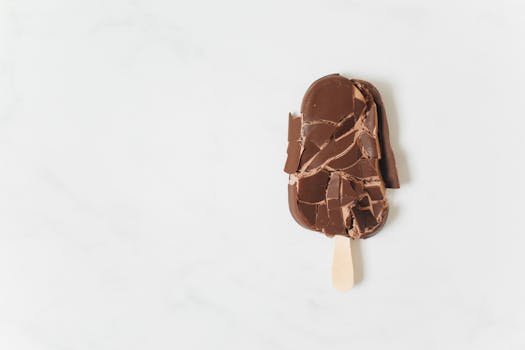
Oat milk ice cream
Rated by 11 diets
The diets react (see scores below)
Diet Ratings
Combines oat milk (grain-derived carbs) with added sugars and sweeteners typical in ice cream. Single serving easily contains 20-40g net carbs, directly incompatible with ketosis.
Vegan-compliant but ultra-processed with added sugars, oils, emulsifiers, and stabilizers. Nutritionally poor compared to whole foods despite being plant-based.
Oat milk (grain-based) combined with ice cream (dairy and refined sugar). Triple violation of paleo principles. Highly processed.
Ice cream is a dessert with high added sugars and refined ingredients, contradicting Mediterranean diet principles. Plant-based base does not offset the processed nature and sugar content.
Plant-derived (oats) with added sugars and plant-based additives. Directly contradicts carnivore exclusion of all plant foods and processed ingredients.
Contains oats (excluded grain), added sugars, and recreates junk food dessert. Violates multiple core rules.
Oat milk is low-FODMAP in restricted portions (240ml max), but ice cream products typically contain higher oat concentrations, added sugars (potential excess fructose), and stabilizers. Serving size easily exceeds safe threshold.
Monash rates oat milk low-FODMAP at 240ml; ice cream servings (typically 100-150g) may contain equivalent or higher oat content plus additives. Clinical practitioners often recommend avoidance due to cumulative FODMAP load.
Contains added sugars and often higher sodium than plain oat milk yogurt. While oat-based, the processing and sweetening reduce DASH alignment. Acceptable as occasional treat in moderation.
Oat milk combined with ice cream format means high sugar content, high glycemic load, and poor macro balance. Oats already limited to 1 serving/day; ice cream adds refined carbs and typically contains added sugars. Nutritionally incompatible with Zone protocol.
Ice cream is inherently high in added sugars and refined carbohydrates, both pro-inflammatory. Oat milk base does not offset the inflammatory load from sugar content and processing. Lacks meaningful anti-inflammatory compounds.
High sugar content (15-25g per serving), minimal protein (0-2g), high fat from added oils, and frozen texture may worsen nausea/reflux. Empty calories that provide no nutritional benefit for GLP-1 patients eating significantly reduced portions. Carbonation-adjacent cold sensation can trigger bloating.
Nutritional profile
Six traits that cut across every diet.
Fiber & Plants
How much whole-plant food and fiber it delivers.
Healthy Fats
The quality of its fats (unsaturated, omega-3).
Whole / Unprocessed
How close it is to its natural, unprocessed form.
Gut Gentle
How easy it is on digestion (low FODMAP, few irritants).
Low Glycemic
How little it spikes your blood sugar.
Protein Density
How much protein it packs per calorie.
Controversy Index
Score range: 1–5/10. Higher controversy = more disagreement between diets.
Diet-Specific Tips for Oat milk ice cream
 Vegan — 5/10
- No animal products
- High sugar content
- Multiple additives
- Low nutritional density
 Low-FODMAP — 5/10
- Oat concentration higher than milk alone
- Added sugars and stabilizers
- Typical serving size exceeds safe oat milk threshold
 DASH — 5/10
- High added sugar
- Moderate sodium
- Low saturated fat compared to dairy ice cream
- Portion control essential