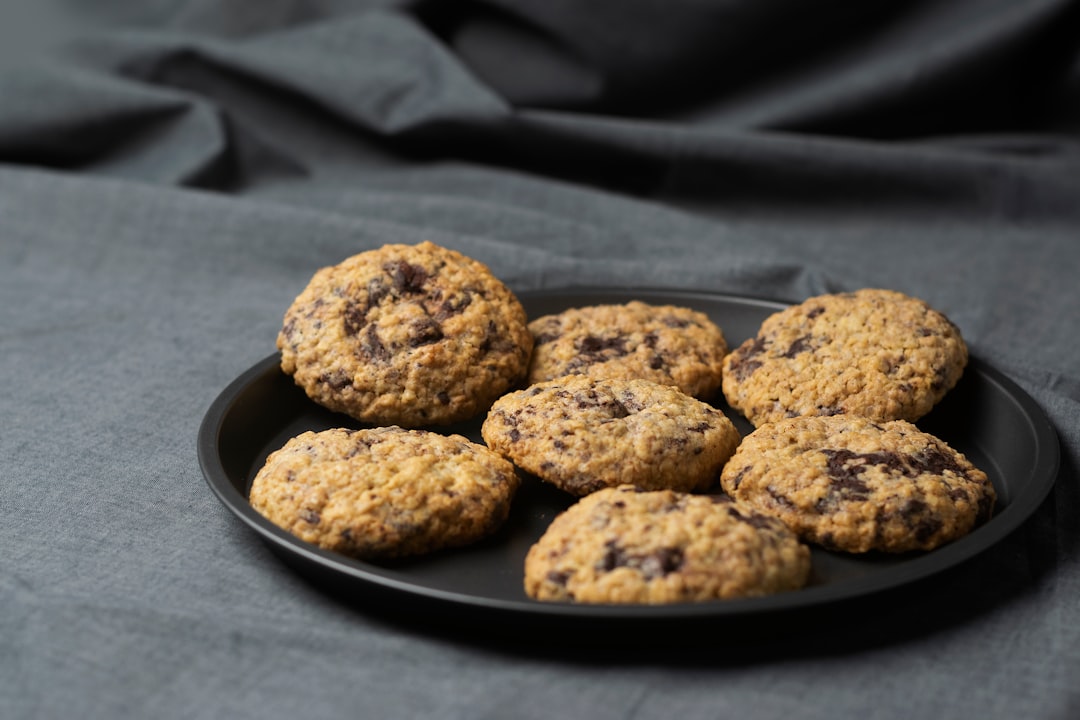
The diets react (see scores below)
Diet Ratings
Oats are grain-based with added sugars. Standard oatmeal cookies contain 15-20g net carbs per cookie. Incompatible with ketosis.
Standard oatmeal cookies contain butter and eggs. However, many vegan versions use oil and flax/chia eggs. Ingredient list determines compliance. Whole food base (oats) is positive.
Many commercial and homemade vegan oatmeal cookies are fully compliant, so verdict depends on specific product formulation.
Oatmeal cookies contain oats (grain), refined sugar, butter (dairy), and are processed baked goods. Oats are explicitly excluded from paleo diet as a grain product.
Oatmeal is a whole grain encouraged in Mediterranean diet, but cookies typically contain added sugars, refined flour, and butter. Homemade versions with minimal sugar and olive oil would score higher. Commercial versions often too processed.
Oats are grain-based plant food. Cookies contain refined sugar and plant-derived ingredients. Fundamentally incompatible with carnivore diet.
Oatmeal cookies contain grains (oats), added sugar, and dairy (butter). They explicitly violate the 'no recreating baked goods' rule.
Oatmeal cookies contain oats (low-FODMAP) but typically include wheat flour (fructans), butter/dairy (lactose), and sugar. Wheat flour is the limiting factor; portion size matters.
Monash University rates oats as low-FODMAP but wheat flour in cookies exceeds safe limits. Some clinical practitioners allow 1-2 small cookies if wheat content is minimal, but standard servings are high-FODMAP.
Oats provide fiber and whole grains (positive), but most commercial versions contain added sugar and saturated fat. Homemade with minimal sugar better. Portion control essential.
NIH DASH guidelines support whole grain oats; however, most commercial oatmeal cookies contain excessive added sugar and butter, negating whole grain benefits. Homemade versions with reduced sugar align better with DASH.
Oats provide some fiber and are lower glycemic than refined flour, but cookies typically contain added sugars and butter. Can work only with significant protein addition (Greek yogurt, cottage cheese) and careful portioning. Homemade versions with minimal sugar preferred.
Oats provide beta-glucan fiber and some antioxidants, but cookies typically contain significant added sugars, butter, and refined flour. Nutritional benefit depends heavily on recipe and portion.
Contains fiber from oats and some protein, but typically high sugar and fat. Better than refined-grain cookies but still calorie-dense with modest satiety. Acceptable as occasional treat in small portion, not a staple.
Nutritional profile
Six traits that cut across every diet.
Fiber & Plants
How much whole-plant food and fiber it delivers.
Healthy Fats
The quality of its fats (unsaturated, omega-3).
Whole / Unprocessed
How close it is to its natural, unprocessed form.
Gut Gentle
How easy it is on digestion (low FODMAP, few irritants).
Low Glycemic
How little it spikes your blood sugar.
Protein Density
How much protein it packs per calorie.
Controversy Index
Score range: 1–5/10. Higher controversy = more disagreement between diets.
Diet-Specific Tips for Oatmeal cookie
 Vegan — 5/10
- Butter typical
- Eggs common
- Vegan versions available
- Whole grain base
- Label-dependent
 Mediterranean — 5/10
- whole grain base positive
- added sugar problematic
- fat quality variable
- portion control needed
 Low-FODMAP — 4/10
- Wheat flour contains fructans
- Oats are low-FODMAP base
- Butter/dairy lactose content variable
- Sugar is low-FODMAP
 DASH — 5/10
- Whole grain oats (positive)
- Often high added sugar
- Saturated fat from butter
- Portion-dependent
 Zone — 4/10
- Moderate glycemic index (oats)
- Added sugars typical
- Saturated fat (butter)
- Minimal protein in standard recipe
 Anti-Inflammatory — 5/10
- Oats provide beta-glucan and antioxidants
- Added sugars and butter reduce anti-inflammatory benefit
- Often contains refined flour
- Fiber content varies by recipe
- Portion control critical
 GLP-1 Friendly — 4/10
- moderate fiber from oats
- some protein
- high sugar
- moderate fat
- calorie-dense
- portion-control challenge