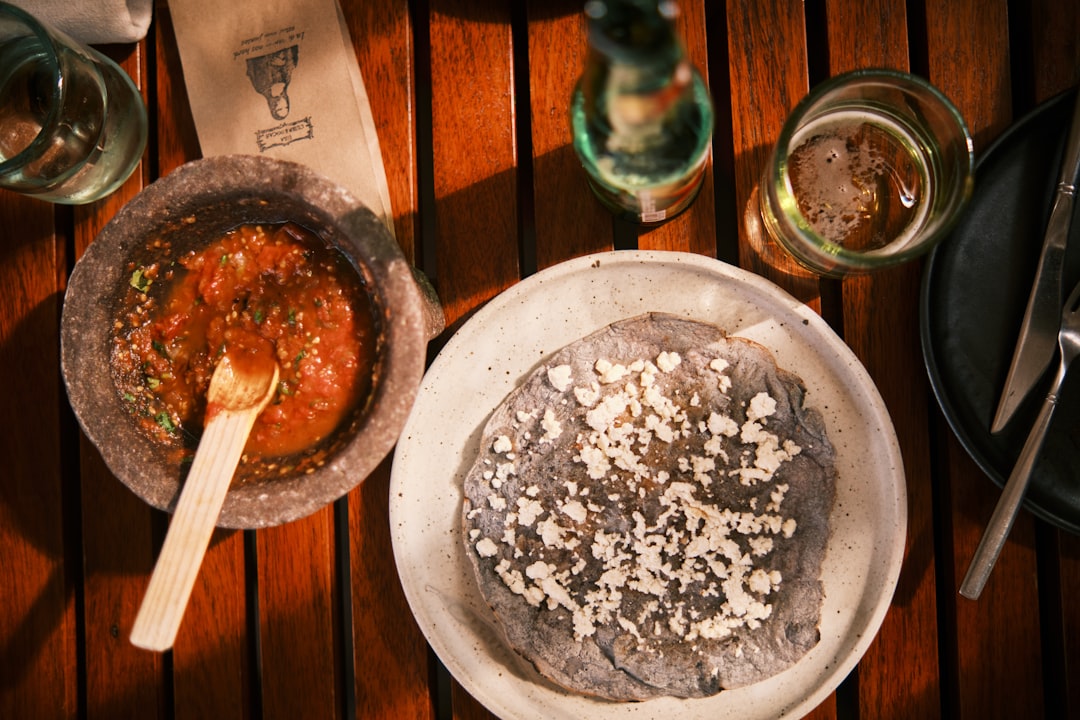
The diets react (see scores below)
Diet Ratings
Oaxaca (quesillo) is a fresh, unaged cheese with approximately 1g net carbs per ounce and 7-8g fat per ounce. High-fat, low-carb, whole food cheese ideal for keto.
Dairy cheese made from milk. Contains casein and whey, animal-derived ingredients excluded by vegan standards.
Dairy product explicitly excluded from paleo diet. Contains lactose and casein, which are not available to Paleolithic humans.
Fresh cheese with moderate fat content. Mediterranean diet includes dairy in moderation. While fresher than aged cheeses, portion control important. Regional variation in Mediterranean cheese consumption.
Some Mediterranean regions (Greece, southern Italy) consume fresh cheeses like feta and ricotta regularly as part of traditional diet, suggesting moderate dairy acceptance.
Animal-derived dairy product (fresh cheese). Higher lactose content than aged cheeses. Accepted by most carnivore practitioners who include dairy, but strict 'meat only' carnivores and those with lactose sensitivity exclude it.
Strict carnivore and Lion Diet adherents exclude all dairy including fresh cheeses due to lactose content and potential inflammatory response. Some practitioners limit to aged, low-lactose cheeses only.
Oaxaca is a fresh cheese (dairy) and is explicitly excluded on Whole30. All dairy products including cheese are not permitted during the 30-day elimination.
Oaxaca is a fresh, stretched-curd cheese low in lactose due to whey removal during production. Monash confirms most cheeses are low-FODMAP, including fresh varieties.
Full-fat cheese with high saturated fat and sodium. DASH limits full-fat dairy products. One ounce contains ~6g saturated fat and 150-200mg sodium. Not aligned with cardiovascular guidelines.
Oaxaca (quesillo) is fresh, mild cheese with moderate fat (6g per oz, mostly saturated). Provides protein (7g per oz) but lacks monounsaturated fat advantage. Can be used as protein source but requires pairing with monounsaturated fat (olive oil, nuts) to balance macros. Higher sodium.
Full-fat cheese high in saturated fat and calories. Anti-inflammatory diet limits full-fat dairy. While cheese provides calcium and protein, the saturated fat content outweighs benefits for inflammatory reduction.
Fresh cheese with 25-30g fat per 100g serving. While it contains protein (20g per 100g), the high fat content and rich, heavy texture worsen GLP-1 nausea and bloating. Portion control is difficult with cheese due to caloric density.
Some GLP-1 RDs recommend small amounts of cheese as a protein source, arguing that the protein benefit outweighs fat concerns if portions are strictly controlled (1-2 oz max). However, most clinical guidance limits cheese due to fat content and digestive burden.
Nutritional profile
Six traits that cut across every diet.
Fiber & Plants
How much whole-plant food and fiber it delivers.
Healthy Fats
The quality of its fats (unsaturated, omega-3).
Whole / Unprocessed
How close it is to its natural, unprocessed form.
Gut Gentle
How easy it is on digestion (low FODMAP, few irritants).
Low Glycemic
How little it spikes your blood sugar.
Protein Density
How much protein it packs per calorie.
Controversy Index
Score range: 1–9/10. Higher controversy = more disagreement between diets.
Diet-Specific Tips for Oaxaca cheese
 Keto — 9/10
- 1g net carbs per ounce
- High fat content (70%+)
- Unprocessed cheese
- Minimal lactose
 Mediterranean — 5/10
- fresh cheese
- moderate fat content
- portion control needed
- dairy moderation principle
 Carnivore — 6/10
- animal-derived
- dairy
- higher lactose
- fresh cheese
- variable tolerance
 Low-FODMAP — 8/10
- Low lactose content
- Fresh cheese variety
- Standard serving 40g
 Zone — 4/10
- Moderate saturated fat
- Good protein content
- Minimal carbs
- Requires fat balancing
 Anti-Inflammatory — 4/10
- high saturated fat
- full-fat dairy
- high caloric density
- limited anti-inflammatory compounds
- acceptable in small amounts