The diets react (see scores below)
Diet Ratings
Lean protein source with 0g carbs and minimal fat. Rich in selenium, copper, and B vitamins. Fits keto well, though lower fat content means it should be paired with fat sources.
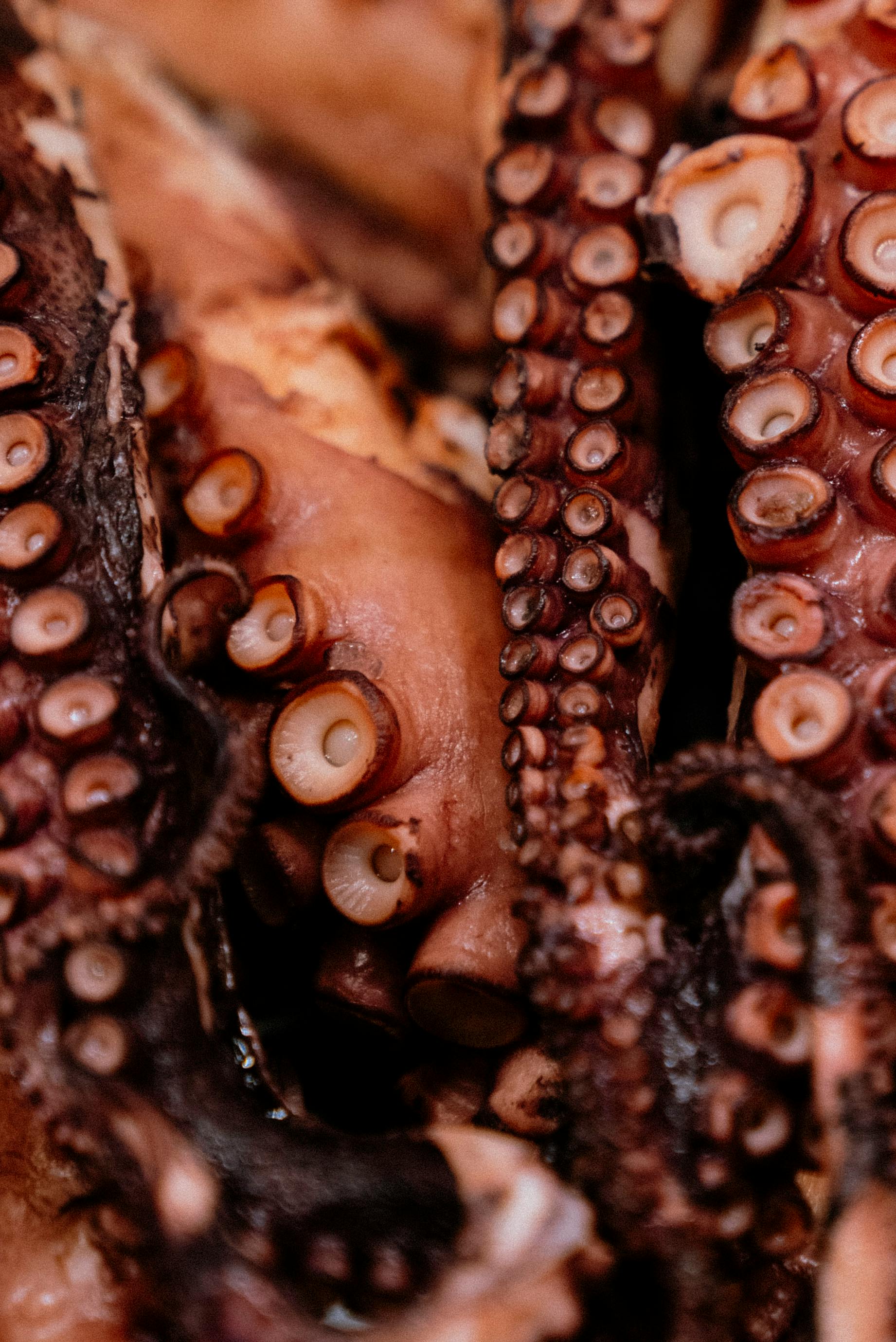
Octopus is a marine animal and cephalopod. All animal flesh including mollusks is excluded from vegan diet.
Octopus is an unprocessed seafood rich in protein, minerals, and omega-3 fatty acids. It was available to coastal hunter-gatherers and is fully paleo-compliant.
Staple Mediterranean seafood, particularly in Greek and Spanish cuisines. Excellent source of lean protein, omega-3s, and minerals. Low in fat and calories. Exemplifies Mediterranean seafood consumption.
Octopus is a seafood product with complete protein and micronutrients. Fully animal-derived with no plant components. Fresh or frozen octopus without additives is fully compliant.
Octopus is a whole, unprocessed seafood product that is explicitly compliant with Whole30. It is a lean protein source with unique nutritional benefits.
Octopus is a cephalopod mollusk with protein and minimal carbohydrate. Monash confirms all seafood, including mollusks, are low-FODMAP.
Lean protein source with low sodium (90-120mg per 3oz), minimal saturated fat, and good micronutrient profile (iron, selenium, B12). Fits DASH lean protein category. Prepare without added salt.
Lean protein (~25g per 3.5 oz) with minimal fat. Contains taurine and micronutrients. Slightly chewier texture requires careful preparation but nutritionally excellent for Zone. Low saturated fat.
Lean seafood with moderate omega-3 content and excellent protein. Contains taurine and selenium with anti-inflammatory properties. Low saturated fat. Supports cardiovascular health.
Octopus is an excellent lean protein source (25-30g per 3 oz cooked) with very low fat (1-2g per 3 oz). High in B12, selenium, copper, and other micronutrients. Chewy texture requires thorough chewing which supports satiety signaling. Easy to digest when prepared simply (boiled, grilled). Exceptional nutrient density per calorie.
Nutritional profile
Six traits that cut across every diet.
Fiber & Plants
How much whole-plant food and fiber it delivers.
Healthy Fats
The quality of its fats (unsaturated, omega-3).
Whole / Unprocessed
How close it is to its natural, unprocessed form.
Gut Gentle
How easy it is on digestion (low FODMAP, few irritants).
Low Glycemic
How little it spikes your blood sugar.
Protein Density
How much protein it packs per calorie.
Controversy Index
Score range: 1–10/10. Higher controversy = more disagreement between diets.
Diet-Specific Tips for Octopus
 Keto — 8/10
- 0g net carbs
- High protein (25g+ per 3oz)
- Very low fat
- Rich in minerals and micronutrients
 Paleo — 9/10
- Unprocessed seafood
- High-quality protein
- Nutrient-dense
- Omega-3 rich
- No additives
 Mediterranean — 9/10
- Lean protein
- Omega-3 fatty acids
- Cultural staple
- Low calorie
- Rich in minerals
 Carnivore — 8/10
- Complete protein source
- Rich in micronutrients
- Minimal processing when fresh
- Pure animal product
 Whole30 — 10/10
- whole food
- seafood
- unprocessed
- lean protein
 Low-FODMAP — 9/10
- Seafood protein
- Minimal carbohydrate content
- No fermentable substrates
 DASH — 8/10
- Sodium: 90-120mg per 3oz
- Lean protein: 25-30g per 3oz
- Low saturated fat: 0.5-1g per 3oz
- Iron, selenium, B12
 Zone — 7/10
- Very lean protein
- Low fat content
- Taurine present
- Micronutrient-rich
- Minimal processing
 Anti-Inflammatory — 7/10
- lean protein
- moderate omega-3
- taurine
- selenium
- low saturated fat
 GLP-1 Friendly — 8/10
- very high protein density
- very low fat
- nutrient-dense
- requires chewing (satiety benefit)
- easy to digest
- works in small portions