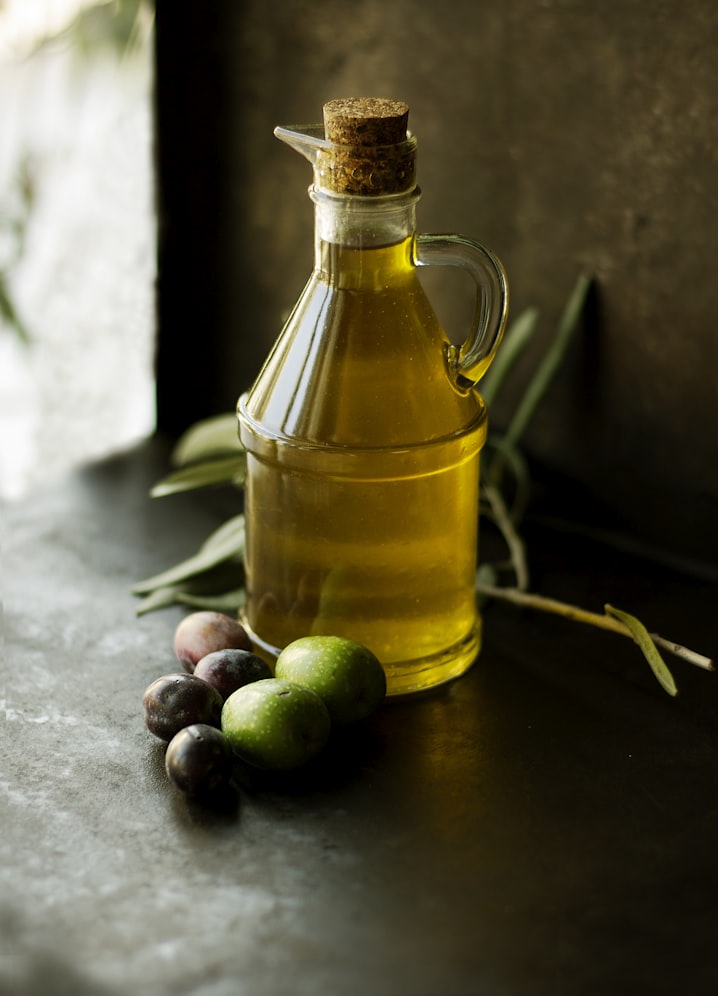
Extra virgin olive oil
Rated by 11 diets
The diets react (see scores below)
Diet Ratings
EVOO contains 0g net carbs and 14g fat per tablespoon. Pure fat with polyphenols and anti-inflammatory compounds. Excellent for salads, cooking (at moderate heat), and keto macros. Minimal processing when cold-pressed.
Extra virgin olive oil is a plant-based oil extracted from olives. Fully vegan-compliant, though processed and calorie-dense. Whole-food advocates may prefer whole olives.
Cold-pressed, unrefined olive oil is paleo-approved. Rich in monounsaturated fats and polyphenols. Preferred cooking fat for paleo diet. Available to Mediterranean populations.
Extra virgin olive oil is the cornerstone of Mediterranean diet. Primary fat source consumed multiple times daily. Rich in monounsaturated fats and polyphenols. Minimally processed. Essential to Mediterranean eating pattern.
Plant-derived oil from olives, violating the animal-only principle. All plant oils are excluded from carnivore diet. Animal fats (tallow, lard, butter) are the only acceptable cooking fats.
Extra virgin olive oil is a whole food fat source with no processing or excluded ingredients. It is a staple of Whole30 cooking.
Extra virgin olive oil is low-FODMAP at all servings. It is pure fat with zero fermentable carbohydrates and no FODMAPs.
Core DASH oil. Rich in monounsaturated fat and polyphenols with anti-inflammatory properties. Recommended for cooking and dressings. Supports cardiovascular health. Primary oil choice in DASH diet.
Ideal monounsaturated fat source for Zone. Primary fat choice in Zone protocol. Rich in polyphenols with strong anti-inflammatory properties. Perfect for fat blocks and meal preparation.
Extra virgin olive oil is a cornerstone of anti-inflammatory diet. Rich in monounsaturated fats, polyphenols (oleuropein, hydroxytyrosol), and antioxidants. Extensively researched and universally recommended in anti-inflammatory frameworks. Use liberally for dressings and low-heat cooking.
Pure unsaturated fat (14g per tbsp), zero protein, calorie-dense (120 cal/tbsp). While omega-3 fats are preferred, oil is best used sparingly as a cooking medium or dressing, not consumed directly. High fat concentration may worsen nausea if overused.
Some RDs recommend moderate olive oil use (1-2 tbsp daily) for nutrient absorption and satiety. Others recommend minimizing all added oils during early GLP-1 treatment to reduce GI side effects, using cooking methods like steaming or air-frying instead.
Nutritional profile
Six traits that cut across every diet.
Fiber & Plants
How much whole-plant food and fiber it delivers.
Healthy Fats
The quality of its fats (unsaturated, omega-3).
Whole / Unprocessed
How close it is to its natural, unprocessed form.
Gut Gentle
How easy it is on digestion (low FODMAP, few irritants).
Low Glycemic
How little it spikes your blood sugar.
Protein Density
How much protein it packs per calorie.
Controversy Index
Score range: 1–10/10. Higher controversy = more disagreement between diets.
Diet-Specific Tips for Extra virgin olive oil
 Keto — 10/10
- 0g net carbs
- 100% fat
- Anti-inflammatory polyphenols
- Minimal processing
- Versatile cooking ingredient
 Vegan — 8/10
- Plant-based
- Olive-derived
- Processed oil
- High calorie density
 Paleo — 9/10
- unprocessed oil
- monounsaturated fats
- polyphenols and antioxidants
- not a seed oil
- low heat cooking preferred
 Mediterranean — 10/10
- Primary fat source
- Monounsaturated fats
- Polyphenol antioxidants
- Minimal processing
- Cornerstone of diet
 Whole30 — 10/10
- Natural fat source
- Unprocessed
- No excluded ingredients
- Recommended cooking fat
 Low-FODMAP — 10/10
- Pure fat
- Zero fermentable carbohydrates
- No FODMAP content
 DASH — 9/10
- Monounsaturated fat
- Anti-inflammatory compounds
- DASH recommended oil
- Cardiovascular benefits
 Zone — 10/10
- ~0g protein
- ~14g fat per tbsp (75% monounsaturated)
- ~0g carbs
- High polyphenol content
- Anti-inflammatory profile
 Anti-Inflammatory — 10/10
- high monounsaturated fat
- polyphenols and antioxidants
- anti-inflammatory compounds
- favorable omega-6 to omega-3 ratio
- extensively researched benefits
 GLP-1 Friendly — 4/10
- Pure fat, no protein
- Unsaturated fat (preferred type)
- Calorie-dense
- Best used sparingly