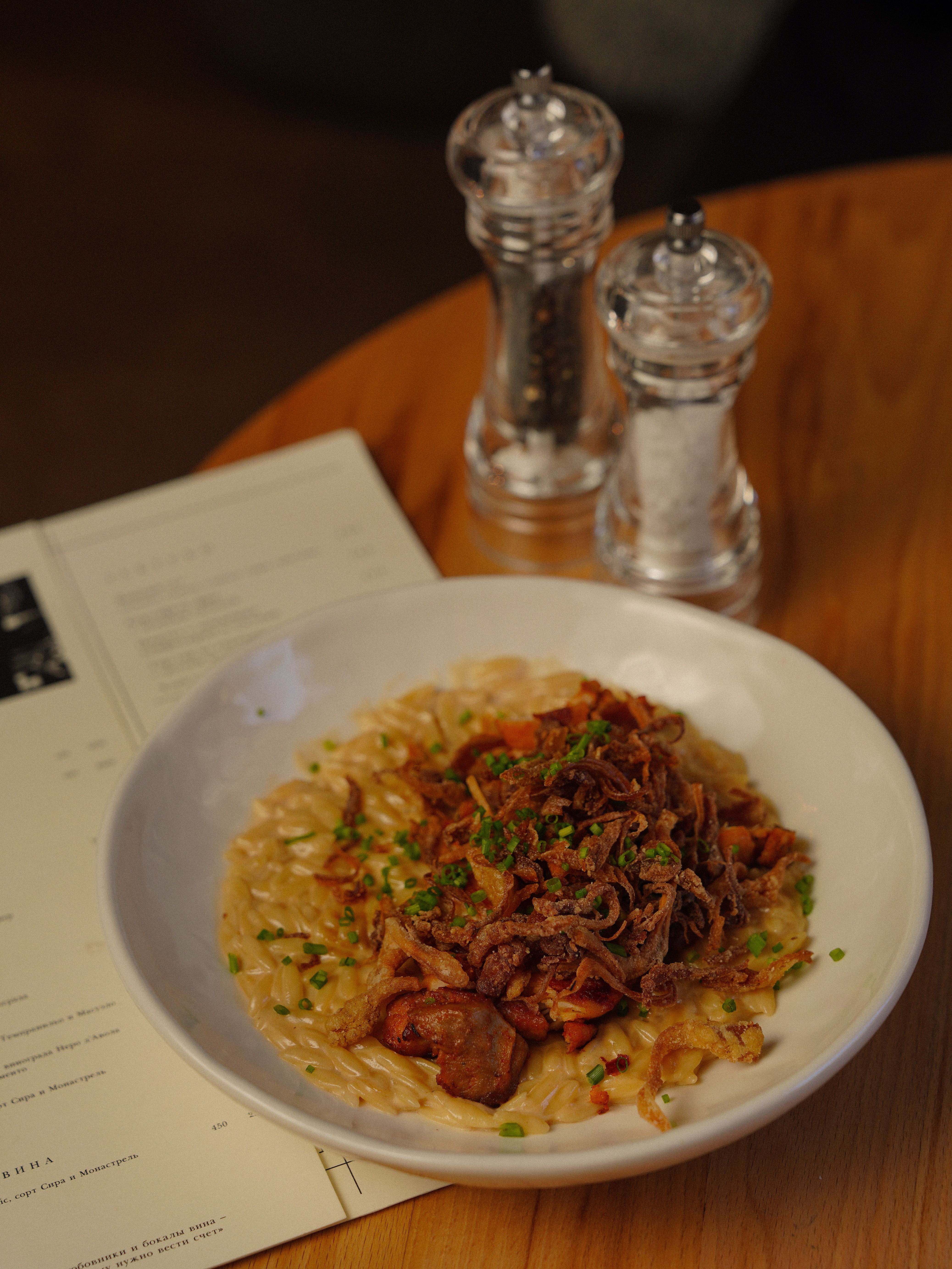
The diets react (see scores below)
Diet Ratings
Orzo is a wheat pasta with ~25g net carbs per 100g cooked. A typical serving (100g) contains ~25g net carbs, consuming the entire daily allowance. Fundamentally incompatible with ketosis.
Orzo pasta is typically wheat-based and plant-based, but many brands contain eggs as a binder. Egg-free varieties exist but require label verification.
Some vegans accept all durum wheat orzo as vegan if no eggs are listed, arguing traditional pasta recipes are egg-free.
Orzo is a pasta made from wheat flour. Grains are explicitly excluded from paleo diet. Despite its small rice-like shape, orzo is a processed grain product and violates core paleo principles.
Orzo is typically a refined grain pasta with minimal fiber. While used in Mediterranean cuisine, whole grain orzo versions exist but are less common. Acceptable occasionally but not a core staple.
Mediterranean pasta traditions, particularly Greek and Italian, incorporate orzo in traditional dishes prepared with vegetables and olive oil, making it acceptable in moderation despite refined grain content.
Wheat-based pasta shaped like rice grains. Grain-derived, high carbohydrate, plant-origin. Explicitly excluded from carnivore diet as a grain product.
Orzo is a pasta made from wheat, an excluded grain. Pasta and noodles are explicitly prohibited on Whole30.
Orzo is a wheat-based pasta made from durum wheat flour, which is high in fructans. Monash University rates wheat pasta as high-FODMAP during the elimination phase. Rice-based or gluten-free alternatives are preferred.
Refined pasta product with minimal fiber and micronutrients. Low sodium in plain form but often prepared with high-sodium sauces. Lacks whole grain benefits emphasized in DASH. Refined carbohydrate without nutritional density.
Orzo is refined wheat pasta with high glycemic index (~85) and minimal fiber. It is nutritionally equivalent to white bread and explicitly excluded from Zone protocol. Even whole-wheat orzo would be suboptimal compared to vegetables or legumes. Zone prioritizes low-glycemic carbs; refined pasta is discouraged.
Orzo is typically made from refined durum wheat with minimal fiber and antioxidants. High glycemic index. Acceptable occasionally but not preferred in anti-inflammatory diet.
Refined wheat pasta (20g carbs per 45g uncooked), minimal protein (3.5g per 45g), minimal fiber (1g per 45g). High calorie density, poor satiety, rapidly absorbed. Displaces protein and fiber in limited calorie budget. No nutritional advantage for GLP-1 patients.
Nutritional profile
Six traits that cut across every diet.
Fiber & Plants
How much whole-plant food and fiber it delivers.
Healthy Fats
The quality of its fats (unsaturated, omega-3).
Whole / Unprocessed
How close it is to its natural, unprocessed form.
Gut Gentle
How easy it is on digestion (low FODMAP, few irritants).
Low Glycemic
How little it spikes your blood sugar.
Protein Density
How much protein it packs per calorie.
Controversy Index
Score range: 1–5/10. Higher controversy = more disagreement between diets.
Diet-Specific Tips for Orzo
 Vegan — 5/10
- Egg content varies by brand
- Durum wheat base is plant-based
- Label checking essential
 Mediterranean — 4/10
- refined grain typical
- traditional Mediterranean use
- whole grain version available
- prepared with vegetables
 Anti-Inflammatory — 4/10
- Refined durum wheat
- Low fiber
- High glycemic index
- Minimal antioxidants