Diet Ratings
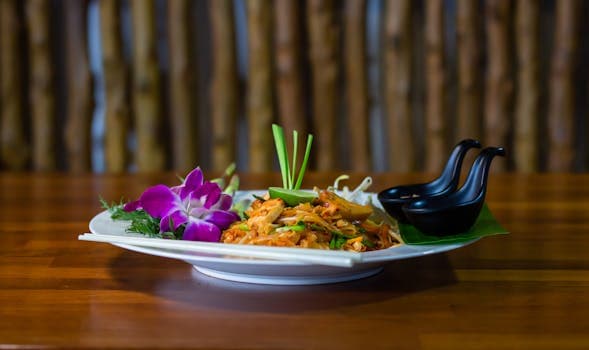
Pad Thai is made with rice noodles (primary carb source) and typically contains added sugar in the sauce. A standard serving contains 40-60g net carbs, far exceeding keto limits.
Traditional Pad Thai contains fish sauce (animal-derived) and often shrimp or chicken. However, many restaurants offer vegan versions using soy sauce, tofu, and plant-based proteins. Vegan status depends on specific restaurant preparation.
iSome vegans consider any Pad Thai with fish sauce inherently non-vegan and avoid it entirely, while others accept vegan-modified versions as compliant.
Rice noodles are a grain product. Pad Thai typically contains peanuts (legume), fish sauce (acceptable), tamarind (acceptable), but the noodle base and peanut content violate core paleo principles.
Pad Thai is typically made with refined rice noodles, high sodium, added sugars, and often prepared with excessive oil. The tamarind-based sauce contains significant added sugars. Fundamentally misaligned with Mediterranean principles.
Primarily rice noodles (plant), tamarind (plant), peanuts (plant), vegetables (plant). Even with shrimp or chicken, plant content vastly exceeds animal content. Fundamentally incompatible with carnivore diet.
Traditional Pad Thai contains tamarind paste, fish sauce, palm sugar, and peanuts. Peanuts are legumes (excluded). Sugar is added. Most restaurant versions also contain soy sauce (soy is excluded).
Traditional Pad Thai contains garlic, shallots, and tamarind paste. Garlic and shallots are high-FODMAP. Tamarind paste may contain added garlic/onion. Fish sauce is low-FODMAP but cannot offset the high-FODMAP base.
Typically high in sodium (fish sauce, soy sauce), added sugar, and saturated fat (peanut oil, coconut milk). Refined noodles lack whole grain benefit. Exceeds DASH sodium limits significantly.
Rice noodles are high-glycemic; dish typically contains excessive sugar, tamarind paste, and omega-6 oils. Protein is often insufficient relative to carb load. Difficult to achieve Zone ratios without complete reconstruction.
Typically made with refined rice noodles, high sodium tamarind sauce, and generous oil (often seed oil). Contains some anti-inflammatory elements (garlic, lime, occasional shrimp/fish), but sugar content and refined carbs are problematic. Restaurant versions often exceed anti-inflammatory guidelines.
iHome-prepared versions with whole grain noodles, reduced sugar, and emphasis on vegetables and fish can approach approval status. Some Thai cuisine experts note traditional recipes use less sugar than Westernized versions.
Pad Thai is typically high in fat (oil-based cooking), sugar (tamarind sauce, palm sugar), and calories. Protein is often low unless heavily loaded with shrimp or tofu. The rich, oily nature worsens GLP-1 side effects (nausea, bloating). High carb-to-protein ratio is suboptimal.
Controversy Index
Score range: 1–5/10. Higher controversy = more disagreement between diets.