The diets react (see scores below)
Diet Ratings
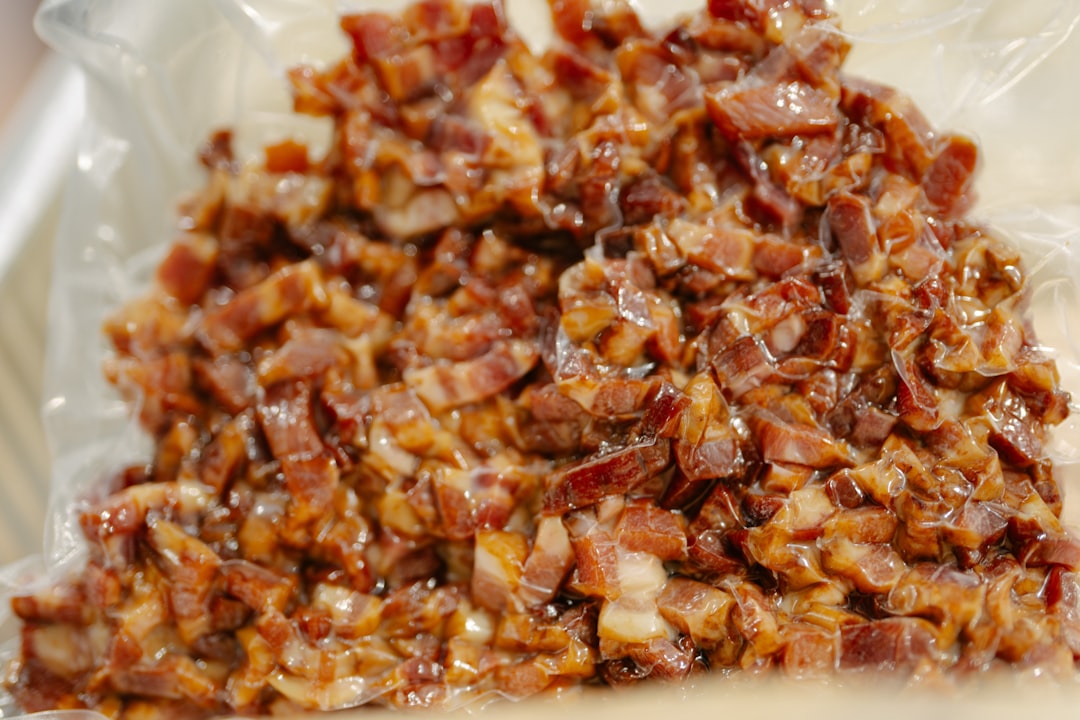
Pancetta is cured pork belly with negligible carbs (0-1g per serving) and approximately 80% fat content. Ideal keto protein and fat source.
Cured pork product. Direct animal flesh, explicitly excluded by all vegan standards.
Cured pork product with added salt and potential nitrates/nitrites. While pork is paleo-approved, processing and additives create gray area. Quality matters significantly.
Strict paleo practitioners avoid all processed meats due to additives and salt content. However, some paleo authorities (Mark Sisson) accept minimally processed, nitrate-free pancetta as acceptable in moderation.
Cured pork product high in saturated fat and sodium. Processed meat contradicts Mediterranean principles. Red/processed meat should be limited to few times monthly.
Cured pork product (Italian bacon). Pure animal-derived meat with salt curing. Minimal processing and no plant-based additives when sourced from quality producers. High fat content aligns with carnivore macros.
Pancetta is cured pork, a compliant meat product. As long as it contains no added sugar, soy, or other excluded ingredients, it is Whole30 approved. Check label for additives.
Cured pork product with minimal carbohydrates. No FODMAP content. Monash confirms processed meats without additives are low-FODMAP.
Cured pork product with very high sodium (>1,500mg per 2oz) and saturated fat. DASH explicitly limits processed meats. Contributes to hypertension risk and exceeds daily sodium limits in small portions.
Pancetta is cured pork belly—high in saturated fat (~8g per oz) and sodium. Zone prefers lean proteins and monounsaturated fats. Can be used sparingly as a flavoring agent, but not as primary protein source. Processed meat classification also raises inflammatory concerns.
Processed pork product high in saturated fat, sodium, and nitrates/nitrites. Cured meats are pro-inflammatory and associated with increased disease risk. Violates anti-inflammatory guidelines on processed meats.
Cured pork product with 50%+ fat content, high saturated fat, and minimal protein per calorie. Greasy texture worsens GLP-1 nausea and bloating. High sodium and processed nature make it poor nutritional value for calorie-restricted patients.
Nutritional profile
Six traits that cut across every diet.
Fiber & Plants
How much whole-plant food and fiber it delivers.
Healthy Fats
The quality of its fats (unsaturated, omega-3).
Whole / Unprocessed
How close it is to its natural, unprocessed form.
Gut Gentle
How easy it is on digestion (low FODMAP, few irritants).
Low Glycemic
How little it spikes your blood sugar.
Protein Density
How much protein it packs per calorie.
Controversy Index
Score range: 1–9/10. Higher controversy = more disagreement between diets.
Diet-Specific Tips for Pancetta
 Keto — 9/10
- 0-1g net carbs per serving
- High fat content (80%+)
- Unprocessed pork product
- No added sugars in quality versions
 Paleo — 5/10
- processed meat
- added salt
- potential nitrates
- curing agents
 Carnivore — 8/10
- animal-derived
- pork
- high fat
- minimally processed
- salt-cured
 Whole30 — 8/10
- Meat (pork)
- Whole and unprocessed (cured)
- Verify no added sugar or excluded additives
 Low-FODMAP — 9/10
- Negligible carbohydrates
- No fermentable sugars
- Check for garlic/onion additives in some brands
 Zone — 5/10
- High saturated fat content
- Processed/cured meat
- Sodium-heavy
- Limited monounsaturated fat