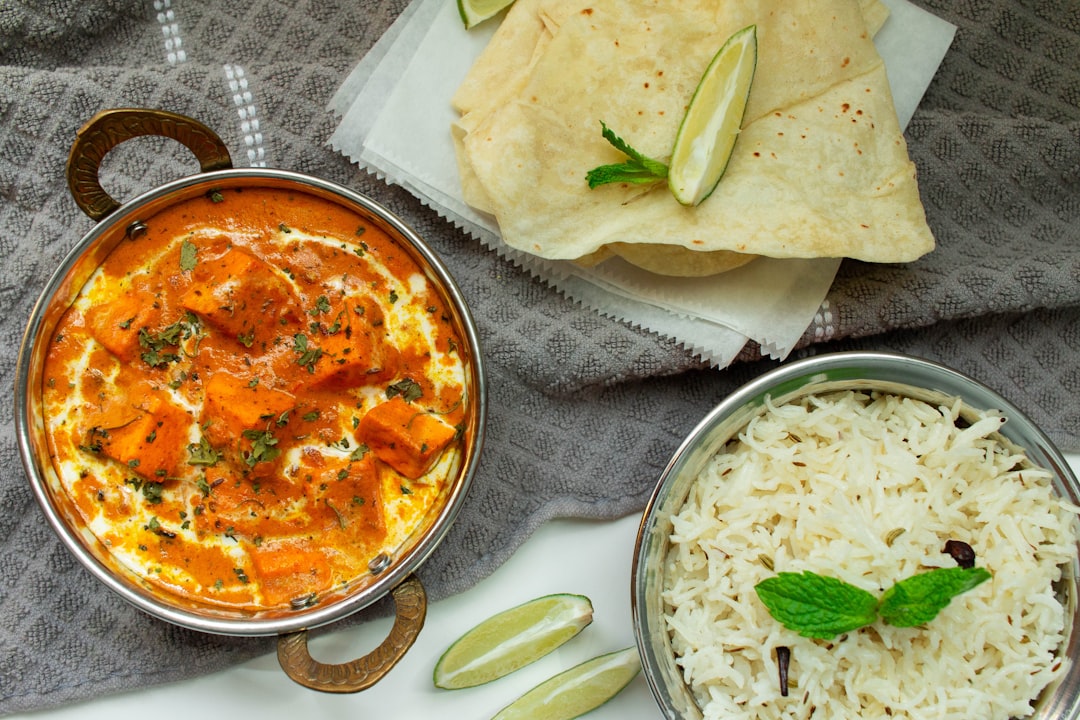
The diets react (see scores below)
Diet Ratings
Fresh cheese with 1-2g net carbs per 100g. High fat and protein content. Unprocessed whole food ideal for keto.
Paneer is a fresh cheese made from cow or buffalo milk. It is a direct animal product and incompatible with vegan diet.
Paneer is a fresh dairy cheese made from milk curds. It contains casein and lactose, making it incompatible with paleo dietary principles that exclude all dairy.
Paneer is a fresh cheese high in saturated fat and calories. While it provides protein, it is not traditional to Mediterranean cuisine and does not align with the emphasis on plant-based proteins and legumes. Acceptable in moderation but not encouraged as a staple.
Paneer is a fresh cheese made from milk, qualifying as animal-derived. It is minimally processed and high in fat and protein. However, it retains significant lactose and is debated within the community regarding digestibility and inflammatory potential.
Strict carnivores exclude paneer due to lactose content and dairy sensitivity concerns, while most practitioners include it as a legitimate animal product with acceptable macronutrient profile.
Paneer is a fresh cheese made from milk. All dairy products, including cheese, are excluded during Whole30.
Paneer is a fresh cheese with higher lactose content than hard cheeses. Monash testing shows lactose varies by production method. At small portions (30g) it may be tolerated; larger servings risk lactose overload.
Monash University rates paneer as low-FODMAP at 30g serving, but clinical practitioners often recommend caution due to variable lactose content and individual sensitivity to fresh cheeses during elimination phase.
High in saturated fat (21g per 100g) and sodium (390mg per 100g). Provides protein and calcium but saturated fat content limits frequency in DASH diet.
Similar to halloumi: ~20g protein per 100g but ~20g saturated fat per 100g. Acceptable as a protein block but saturated fat dominates. Zone-compatible only with careful portioning (1-1.5 oz per meal) and pairing with monounsaturated fat sources.
Full-fat dairy product with significant saturated fat. While paneer provides protein and calcium, its inflammatory fat profile and lack of beneficial polyphenols or omega-3s make it a moderate choice. Acceptable in small portions within an anti-inflammatory diet.
Paneer provides solid protein (25g per 100g) and is easy to digest, but it's high in saturated fat (20g per 100g) and lacks fiber. The fat content can exacerbate GLP-1 side effects. Works best in very small portions mixed with high-fiber vegetables.
Some GLP-1 nutrition experts recommend paneer in moderation (1-2 oz portions) as a culturally important protein source that many patients tolerate well, especially when paired with vegetables. Others recommend avoiding it due to saturated fat density and availability of leaner alternatives.
Nutritional profile
Six traits that cut across every diet.
Fiber & Plants
How much whole-plant food and fiber it delivers.
Healthy Fats
The quality of its fats (unsaturated, omega-3).
Whole / Unprocessed
How close it is to its natural, unprocessed form.
Gut Gentle
How easy it is on digestion (low FODMAP, few irritants).
Low Glycemic
How little it spikes your blood sugar.
Protein Density
How much protein it packs per calorie.
Controversy Index
Score range: 1–9/10. Higher controversy = more disagreement between diets.
Diet-Specific Tips for Paneer
 Keto — 9/10
- Very low net carbs
- High fat and protein
- Whole food
- No additives in plain form
 Mediterranean — 5/10
- High saturated fat
- Not Mediterranean origin
- Protein source but plant-based alternatives preferred
- Moderate portions only
 Carnivore — 5/10
- Animal-derived (milk)
- Minimally processed
- High protein and fat
- Lactose content variable
 Low-FODMAP — 5/10
- Fresh cheese with residual lactose
- Lactose content varies by production
- Portion-dependent tolerance
 DASH — 5/10
- High saturated fat
- Moderate sodium
- Excellent protein
- Rich in calcium
 Zone — 5/10
- High saturated fat
- Solid protein content
- Requires portion discipline
- Best paired with olive oil-based dishes
 Anti-Inflammatory — 5/10
- High saturated fat
- Good protein source
- Minimal fiber
- Limited micronutrient diversity
 GLP-1 Friendly — 5/10
- high protein density
- high saturated fat
- no fiber
- easy to digest
- portion-dependent tolerance