Diet Ratings
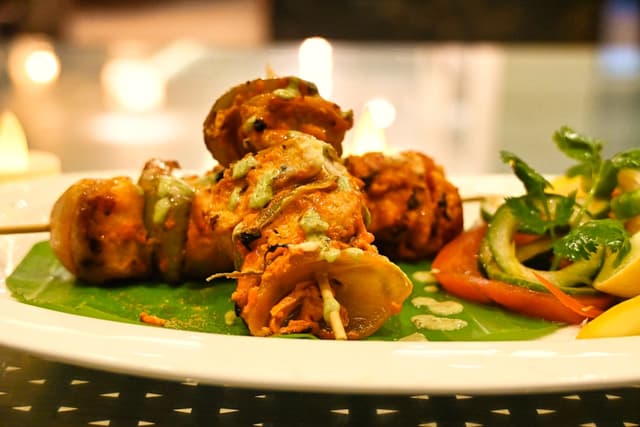
Paneer (Indian cheese) marinated and grilled. Paneer is high in fat and protein, low in carbs. Spices and marinade add negligible carbs. Approximately 2-3g net carbs per serving. Excellent keto food.
Paneer is a fresh cheese made from milk, a dairy product explicitly excluded from vegan diet.
Paneer is a fresh cheese made from dairy milk. Dairy is excluded from paleo diet due to lactose, casein, and modern processing concerns. Spices and cooking method are acceptable but dairy disqualifies.
Paneer is a fresh cheese (acceptable in moderation), but tikka preparation involves cream-based marinades and high-heat cooking methods not typical to Mediterranean diet. South Asian preparation style conflicts with core principles.
iSome Mediterranean diet experts accept paneer as equivalent to feta or other fresh cheeses when prepared with olive oil instead of cream. The protein quality is comparable to Mediterranean dairy.
Paneer (cheese) is animal-derived and acceptable, but tikka preparation involves yogurt marinade and spice blends containing plant-based ingredients (cumin, coriander, garlic, ginger). Cheese component is good; marinade is problematic.
iStrict practitioners exclude all spice blends and marinades. Baker and Saladino recommend plain dairy; however, many carnivores accept paneer if marinades are minimal. Dairy acceptance varies significantly in the community.
Paneer is a fresh cheese made from dairy milk. Dairy is explicitly excluded on Whole30, with no exceptions for fresh cheeses.
Paneer (fresh cheese) is low-FODMAP, but tikka marinades typically contain garlic, ginger, yogurt, and spices. Garlic is a high-FODMAP ingredient commonly used in tikka paste. The marinade composition is critical.
iMonash University rates paneer as low-FODMAP; clinical practitioners note that commercial tikka pastes and marinades contain garlic (high-FODMAP). Homemade versions without garlic would be safer, but traditional paneer tikka is often high-FODMAP.
Paneer is high in saturated fat and sodium. While it provides protein and calcium, the fat profile is less favorable than lean meats or legumes. Marinating and cooking methods add sodium. Acceptable occasionally in small portions.
iNIH DASH guidelines emphasize low-fat dairy; updated interpretation acknowledges paneer's cultural importance and calcium content, but recommends limiting due to saturated fat (7g per 100g serving).
Paneer is high-quality protein and fat source. Marinated in yogurt and spices (low-glycemic). Grilled preparation avoids inflammatory oils. Vegetables (peppers, onions) provide low-glycemic carbs. Excellent anti-inflammatory spice profile (turmeric, ginger). Fits Zone 40/30/30 naturally.
Paneer is high-fat dairy with saturated fat. Tikka spices (turmeric, cumin, ginger) are strongly anti-inflammatory. Grilled preparation avoids deep frying. Vegetables in dish add antioxidants. Inflammatory profile depends on paneer quantity and yogurt marinade composition.
iDr. Weil's pyramid limits full-fat dairy; however, turmeric's curcumin content is potent anti-inflammatory. Some authorities argue moderate paneer tikka with vegetable emphasis and spice-forward preparation fits anti-inflammatory eating. Portion control is critical.
Paneer tikka is high in protein (15-20g per serving) and relatively easy to digest when grilled. However, paneer is high in saturated fat, and the dish is often prepared with cream-based marinades or served with creamy sauces. The fat content can worsen GLP-1 side effects. Best consumed in small portions without heavy sauces.
Controversy Index
Score range: 1–9/10. Higher controversy = more disagreement between diets.