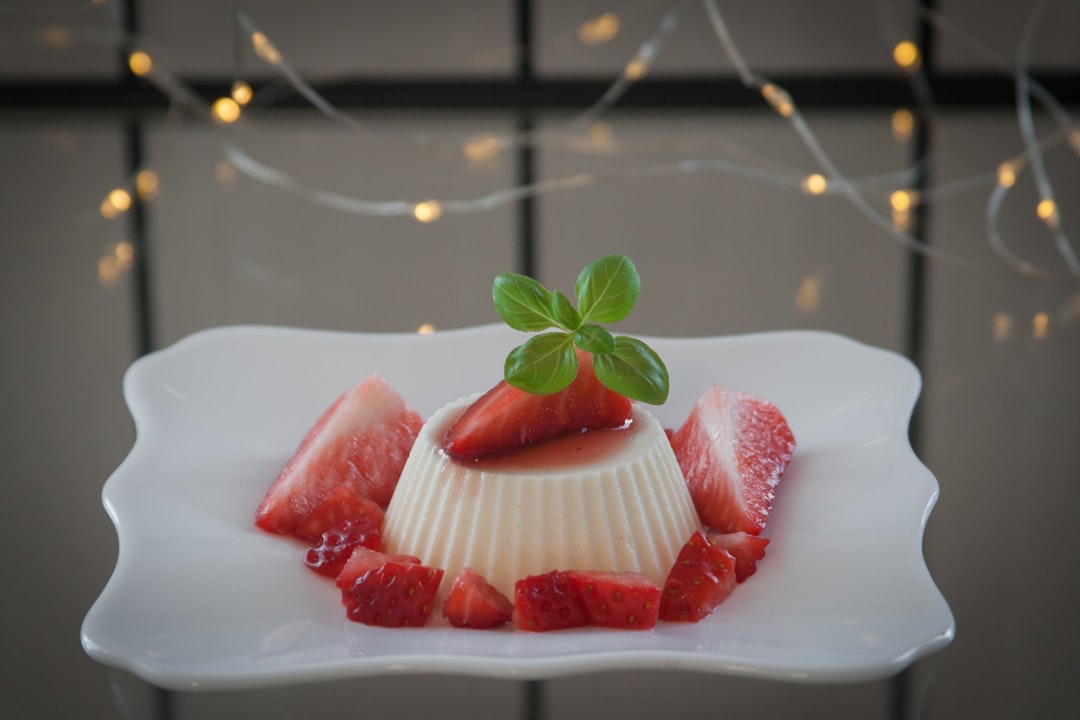
The diets react (see scores below)
Diet Ratings
Carb content depends entirely on preparation. Homemade with heavy cream and sugar-free sweetener: 1-2g net carbs (approve). Commercial versions often contain 8-15g net carbs due to added sugars.
Some keto practitioners avoid all panna cotta due to inconsistent recipes and hidden sugars in commercial versions. Others make it at home with full control over ingredients.
Panna cotta is a dessert made from cream and milk, often set with gelatin (animal-derived). Contains multiple animal products.
Panna cotta is a dessert made from cream (dairy), sugar, and gelatin. It violates paleo due to dairy content and refined sugar, regardless of gelatin source.
Panna cotta is a rich dessert made with heavy cream and sugar, high in saturated fat and refined sugars. While it has Italian origins, it contradicts Mediterranean diet principles emphasizing minimal added sugars and processed foods. Not a traditional everyday food.
Panna cotta is made from cream and gelatin (animal-derived), but traditional recipes include sugar and vanilla (plant-derived). Homemade versions without sugar/additives are acceptable; commercial versions are problematic.
Strict carnivores avoid panna cotta due to typical sugar content and plant-based flavoring, while some practitioners accept homemade versions made with only cream, gelatin, and salt.
Panna cotta is a dessert made with cream (dairy) and typically contains added sugar. Both dairy and added sugar are excluded. Additionally, it violates the spirit by recreating a junk food dessert.
Panna cotta is made with cream and milk, both containing lactose. The lactose content depends on the recipe and serving size. Small portions (100g) may be tolerated; larger servings exceed lactose thresholds. Monash data on this specific dessert is limited.
Monash University has limited specific testing on panna cotta. Clinical practitioners recommend treating it as a lactose-containing dessert and limiting to small portions (100g or less). Individual tolerance depends on cream-to-milk ratio and personal lactose sensitivity.
Typically made with heavy cream and sugar. High in saturated fat (12-15g per serving), added sugars (15-20g), and cholesterol. Dessert format with minimal nutritional benefit. Not aligned with DASH.
Traditional panna cotta contains heavy cream, sugar, and gelatin. Typical serving (~100g) has 15-20g sugar, 8-10g fat (mostly saturated), and only 3-4g protein. Macro ratio is inverted (carb-heavy, insufficient protein), and sugar content is excessive. Cannot be balanced into a Zone meal without removing the defining ingredients.
Dessert made primarily from heavy cream and sugar. High saturated fat combined with refined sugar creates a pro-inflammatory food. Lacks fiber, polyphenols, and beneficial micronutrients. Incompatible with anti-inflammatory dietary goals.
Panna cotta is made from heavy cream and sugar—very high in saturated fat (12-15g per serving) and added sugar (15-20g per serving). Protein is minimal (2-3g per serving). No fiber. It's a dessert with poor nutrient density and high fat content that will trigger nausea, bloating, and reflux in GLP-1 patients.
Nutritional profile
Six traits that cut across every diet.
Fiber & Plants
How much whole-plant food and fiber it delivers.
Healthy Fats
The quality of its fats (unsaturated, omega-3).
Whole / Unprocessed
How close it is to its natural, unprocessed form.
Gut Gentle
How easy it is on digestion (low FODMAP, few irritants).
Low Glycemic
How little it spikes your blood sugar.
Protein Density
How much protein it packs per calorie.
Controversy Index
Score range: 1–5/10. Higher controversy = more disagreement between diets.
Diet-Specific Tips for Panna cotta
 Keto — 5/10
- Recipe-dependent
- Commercial versions high in sugar
- Homemade versions can be keto-friendly
- Portion-sensitive
 Carnivore — 5/10
- Cream is animal-derived
- Gelatin is animal-derived
- Often contains added sugar
- Plant-based flavorings common
 Low-FODMAP — 4/10
- Lactose from cream and milk base
- Recipe variation affects FODMAP content
- Portion control essential