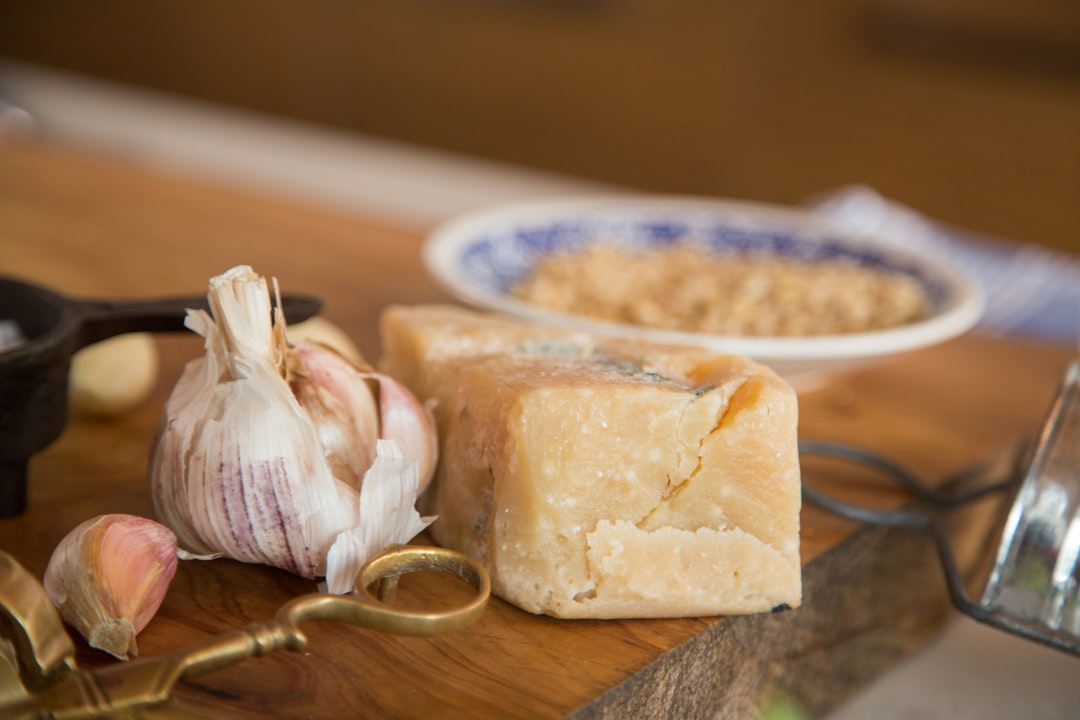
The diets react (see scores below)
Diet Ratings
Parmesan is an excellent keto choice with minimal carbs (1g per ounce) and high fat content. Hard aged cheeses have negligible lactose. Dense, nutrient-rich, and highly satiating in small portions.
Hard cheese made from cow's milk. Contains casein and whey proteins from animal sources. Traditional production may also use animal rennet.
Dairy product. While aged cheeses have lower lactose, paleo excludes all dairy derivatives. Casein remains present and problematic for paleo philosophy.
Traditional Mediterranean cheese, especially in Italian cuisine. Used in small amounts for flavoring, which aligns with moderate dairy consumption. High in calcium and adds depth to plant-based dishes.
Hard, aged cheese with minimal lactose and high fat content. More accepted in carnivore community than soft cheeses, but still debated among strict practitioners who exclude all dairy.
Strict carnivore and Lion Diet followers exclude all dairy products regardless of lactose content, viewing dairy as inflammatory or unnecessary. Saladino's animal-based approach may include high-quality aged cheeses.
Parmesan cheese is a dairy product explicitly excluded during the 30-day Whole30 elimination phase. All forms of cheese are not permitted regardless of type or aging.
Parmesan is aged hard cheese with minimal lactose. Monash University rates it as low-FODMAP at standard serving sizes (1 ounce/28g) with negligible fermentable carbohydrates.
Very high sodium (450mg per tablespoon) and saturated fat (1.4g per tablespoon). Hard cheeses are concentrated sources of sodium and fat. Minimal portion sizes needed to exceed DASH sodium limits.
Dense in both protein (10g per oz) and saturated fat (7.3g per oz). Can serve as a fat block in small quantities, but high sodium and saturated fat limit frequent use. Portion control essential.
Hard cheese with concentrated saturated fat and sodium. However, small portions provide umami and minerals. The key is portion control—a sprinkle adds flavor without excessive inflammatory load. Should be used as a condiment, not a primary food.
Parmesan is protein-dense (10g per oz) but also fat-dense (7g fat per oz, 65% calories from fat). Works in small amounts as a flavor enhancer rather than a primary protein source. Some RDs approve modest amounts for flavor; others recommend avoiding due to fat content and potential lactose issues.
Some GLP-1 nutrition specialists view small amounts of Parmesan (1-2 tbsp) as acceptable for flavor enhancement without triggering side effects, while others recommend eliminating all high-fat cheeses to minimize GI risk.
Nutritional profile
Six traits that cut across every diet.
Fiber & Plants
How much whole-plant food and fiber it delivers.
Healthy Fats
The quality of its fats (unsaturated, omega-3).
Whole / Unprocessed
How close it is to its natural, unprocessed form.
Gut Gentle
How easy it is on digestion (low FODMAP, few irritants).
Low Glycemic
How little it spikes your blood sugar.
Protein Density
How much protein it packs per calorie.
Controversy Index
Score range: 1–9/10. Higher controversy = more disagreement between diets.
Diet-Specific Tips for Parmesan cheese
 Keto — 9/10
- 1g net carbs per ounce
- High fat and protein density
- Minimal lactose due to aging
- Highly satiating in small amounts
 Mediterranean — 8/10
- Traditional Mediterranean ingredient
- Used in small portions
- Enhances vegetable dishes
- High calcium content
- Authentic to Italian Mediterranean diet
 Carnivore — 6/10
- Low lactose due to aging
- High fat and protein content
- Minimal additives in quality versions
- Casein protein present
 Low-FODMAP — 9/10
- Aged cheese with minimal lactose
- No fructans or GOS
- High protein, low FODMAP
 Zone — 6/10
- High saturated fat density
- Excellent protein concentration
- Very high sodium
- Requires strict portioning
 Anti-Inflammatory — 5/10
- High saturated fat per ounce
- Very high sodium
- Small portions typical
- Mineral content (calcium, phosphorus)
 GLP-1 Friendly — 5/10
- high protein but also high fat
- portion-dependent effectiveness
- lactose content variable
- flavor-enhancer role vs. protein source