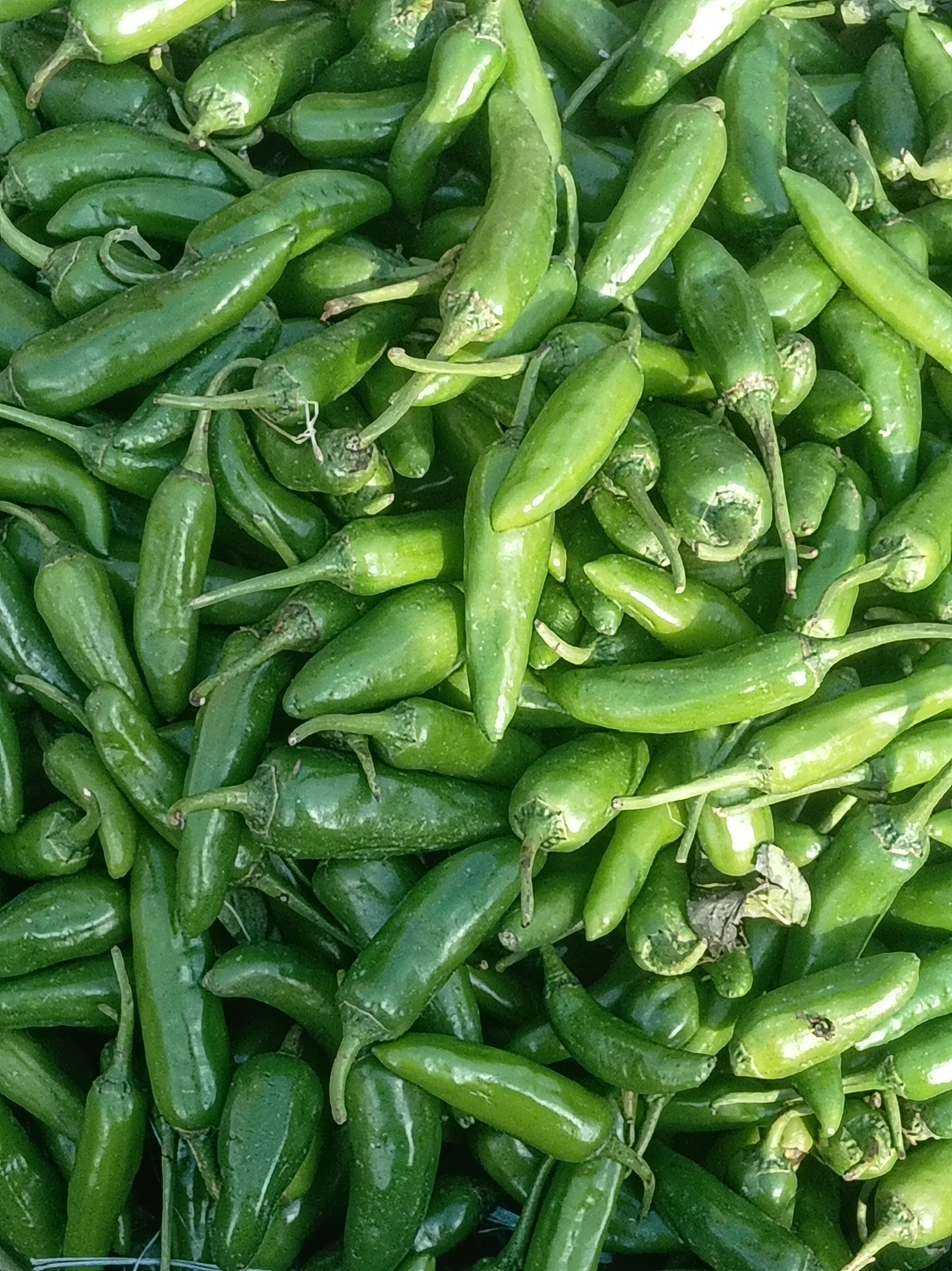
Pasilla chiles
Rated by 11 diets
The diets react (see scores below)
Diet Ratings
Dried chiles with minimal net carbs (2g per ounce), used as seasoning/flavoring. Low carb impact when used in typical amounts.
Pasilla chiles are dried whole peppers with no animal-derived ingredients. They are a whole plant food and a nutritious vegan staple.
Pasilla chiles are dried peppers used as spices/seasonings. Unprocessed, available to hunter-gatherers, and contain beneficial compounds without anti-nutrients.
Pasilla chiles are whole, dried peppers used for flavoring. They are plant-based, minimally processed, and add depth without added sugars or unhealthy fats. While not traditional to Mediterranean cuisine, they align with plant-forward, whole-food principles.
Pasilla chiles are Mexican/Latin American, not Mediterranean in origin; strict Mediterranean diet adherence would favor Mediterranean spices and peppers (e.g., Aleppo pepper, paprika).
Pasilla chiles are dried peppers, a plant-derived food explicitly excluded from the carnivore diet. They contain plant compounds and are not animal products.
Pasilla chiles are whole, dried peppers with no added ingredients. They are a vegetable-based spice/seasoning and are fully compliant with Whole30.
Pasilla chiles (dried poblano peppers) are low in FODMAPs. Monash rates peppers as low-FODMAP. Standard culinary portions (1-2 chiles, ~10-20g) contain negligible fructans, GOS, lactose, excess fructose, or polyols. Safe during elimination phase.
Dried chiles are low in sodium, rich in vitamin C and antioxidants, and add flavor without salt. Align with DASH emphasis on herbs and spices. Minimal calories and no saturated fat.
Pasilla chiles are low-glycemic vegetables with minimal net carbohydrates (~2g per medium chile after fiber subtraction). They provide polyphenols, capsaicin (anti-inflammatory), and virtually no calories. Excellent Zone vegetable for adding flavor and volume without impacting macronutrient ratios. Aligns with Sears' emphasis on colorful, low-GI vegetables.
Pasilla chiles are rich in capsaicin, which has potent anti-inflammatory and antioxidant properties. They also contain carotenoids and polyphenols. Chili peppers are explicitly emphasized in anti-inflammatory diet frameworks and research supports their role in reducing inflammatory markers like CRP.
Pasilla chiles are low-calorie, nutrient-dense, and provide fiber (2.5g per 100g). However, they are moderately spicy and may trigger reflux or nausea in some GLP-1 patients, particularly on an empty stomach. Tolerance varies significantly by individual.
Some GLP-1 RDs consider mild to moderate spices like pasilla acceptable for most patients, while others recommend avoiding all chiles due to consistent reports of worsened reflux and nausea in their patient populations.
Nutritional profile
Six traits that cut across every diet.
Fiber & Plants
How much whole-plant food and fiber it delivers.
Healthy Fats
The quality of its fats (unsaturated, omega-3).
Whole / Unprocessed
How close it is to its natural, unprocessed form.
Gut Gentle
How easy it is on digestion (low FODMAP, few irritants).
Low Glycemic
How little it spikes your blood sugar.
Protein Density
How much protein it packs per calorie.
Controversy Index
Score range: 1–9/10. Higher controversy = more disagreement between diets.
Diet-Specific Tips for Pasilla chiles
 Keto — 8/10
- 2g net carbs per ounce
- Whole food
- Used in small quantities
- Minimal impact on daily carb budget
 Vegan — 9/10
- Whole plant food
- No animal ingredients
- Minimally processed
 Paleo — 9/10
- unprocessed pepper
- spice/seasoning
- no anti-nutrients
- hunter-gatherer available
 Mediterranean — 8/10
- whole plant food
- minimal processing
- plant-based
- not traditional Mediterranean origin
 Whole30 — 9/10
- Whole vegetable product
- No added ingredients
- Spice/seasoning category
 Low-FODMAP — 8/10
- Pepper-based — low FODMAP
- Monash-approved
- Spice/condiment used in small quantities
- No significant fermentable carbohydrates
 DASH — 8/10
- low sodium
- antioxidant-rich
- flavor enhancer
- minimal processing
 Zone — 8/10
- Low glycemic index
- Minimal net carbs (~2g per medium chile)
- Anti-inflammatory capsaicin
- Polyphenol-rich
- Excellent vegetable for Zone meals
 Anti-Inflammatory — 8/10
- capsaicin
- carotenoids
- polyphenols
- antioxidants
- reduces inflammatory markers
 GLP-1 Friendly — 6/10
- low calorie
- nutrient-dense
- moderate spice level
- may trigger reflux
- individual tolerance varies