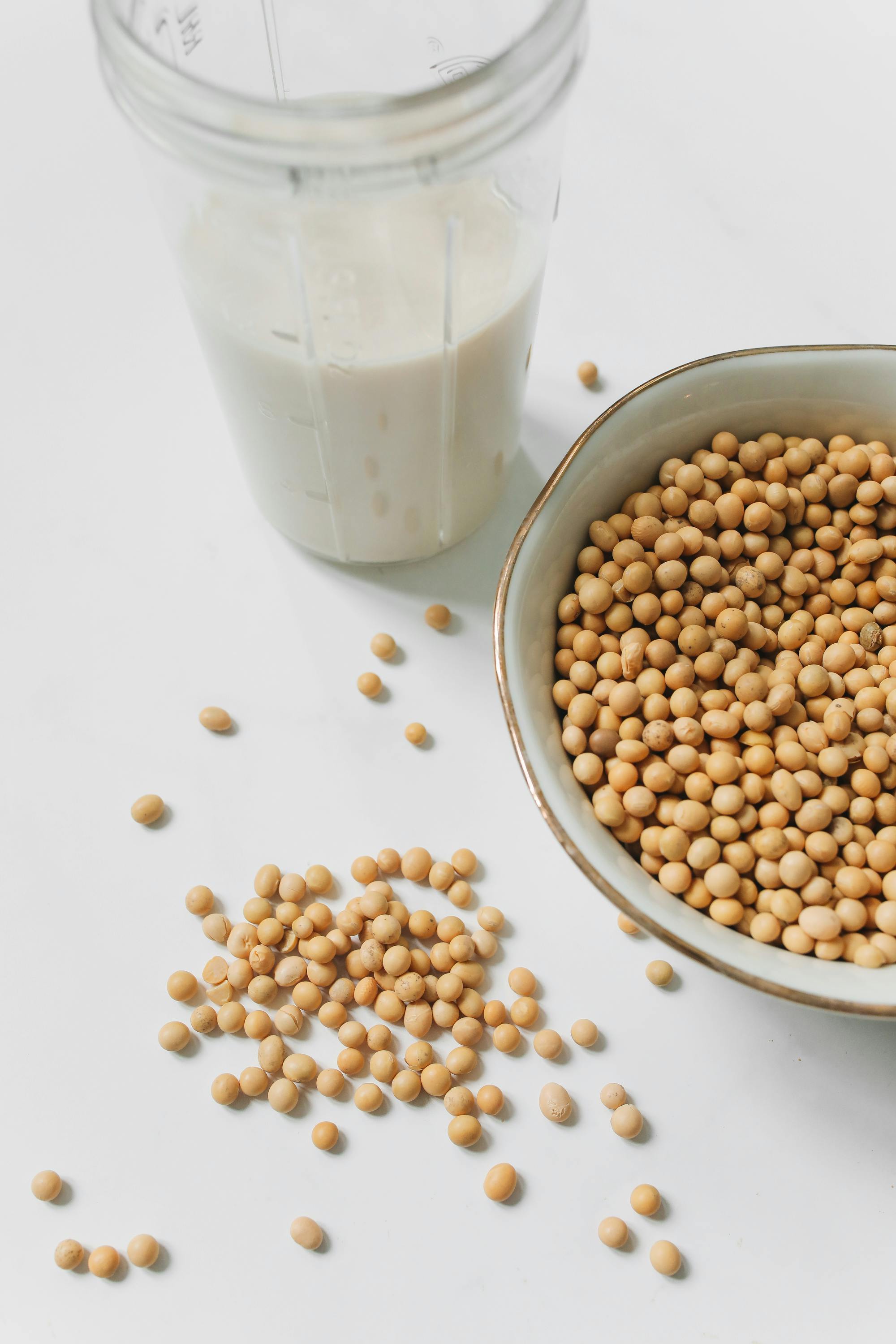
The diets react (see scores below)
Diet Ratings
Pea milk contains 1-2g net carbs per 100ml but is often sweetened and lacks the fat profile needed for keto. Most commercial versions add sugars or carb-heavy thickeners. Unsweetened versions still provide minimal nutritional benefit for keto.
Plant-based milk alternative made from pea protein. Fortified with B12 and calcium. Minimal processing compared to alternatives. High protein content. Fully vegan-compliant.
Made from peas, which are legumes explicitly excluded from paleo diet. Additionally processed with additives, gums, and often seed oils.
Plant-based milk from legumes (peas) aligns with Mediterranean legume emphasis, but commercial versions are processed with added ingredients. Less ideal than whole legumes or traditional dairy, but acceptable as occasional substitute.
Some nutritionists view pea milk as a sustainable, legume-based alternative that honors Mediterranean plant-forward principles better than dairy in certain contexts.
Plant-based milk derived from peas (legumes). Contains no animal products and violates carnivore exclusion of all plant foods and legumes.
Pea milk is technically compliant as peas are allowed vegetables. However, it is a processed beverage with added ingredients (oils, vitamins, gums). Official Whole30 allows compliant plant-based milks but emphasizes whole foods. Community debate exists on whether processed milk alternatives align with program spirit.
Melissa Urban has stated that unsweetened, additive-minimal plant-based milks can be acceptable, but some community members argue processed beverages deviate from whole-food focus.
Pea protein isolate is low-FODMAP, but pea milk often contains added ingredients. GOS (galacto-oligosaccharides) from peas can be problematic at higher volumes. Monash testing limited for commercial pea milk products.
Monash University data on pea milk is limited. Clinical practitioners note that pea protein isolate is generally low-FODMAP, but whole pea content and additives require verification. Serving size matters significantly.
Unsweetened pea milk is an excellent DASH alternative to dairy. High in plant-based protein, low sodium, fortified with calcium and vitamin D. Supports potassium intake without excess saturated fat.
High in carbs (8-10g per cup) relative to protein (8g). Macro ratio skewed toward carbs. Contains added oils (often seed oils). Not ideal as primary beverage; better used sparingly in cooking or as part of mixed meals.
Excellent plant-based milk alternative with complete protein, minimal processing, and no inflammatory oils. Peas provide polyphenols and fiber. Fortified versions offer bioavailable nutrients. Aligns well with anti-inflammatory principles and legume emphasis.
Pea milk provides 8-10g protein per cup with minimal fat (2-3g), good hydration support, and is fortified with vitamins. Excellent nutrient density per calorie. Easy to digest and works well in small servings (smoothies, cereal).
Nutritional profile
Six traits that cut across every diet.
Fiber & Plants
How much whole-plant food and fiber it delivers.
Healthy Fats
The quality of its fats (unsaturated, omega-3).
Whole / Unprocessed
How close it is to its natural, unprocessed form.
Gut Gentle
How easy it is on digestion (low FODMAP, few irritants).
Low Glycemic
How little it spikes your blood sugar.
Protein Density
How much protein it packs per calorie.
Controversy Index
Score range: 1–8/10. Higher controversy = more disagreement between diets.
Diet-Specific Tips for Pea milk
 Vegan — 8/10
- Plant-based
- High protein
- Fortified with B12
- Minimal processing
- Sustainable crop
 Mediterranean — 5/10
- Legume-based (positive)
- Processed and fortified
- Added sugars often present
- Not traditional Mediterranean
 Whole30 — 5/10
- Plant-based (peas allowed)
- Processed beverage
- Contains gums/additives
- No added sugar if unsweetened
 Low-FODMAP — 5/10
- Pea protein isolate is low-FODMAP
- GOS content depends on processing
- Added ingredients (gums, sweeteners) must be checked
- Portion size affects FODMAP load
 DASH — 8/10
- High plant-based protein
- Low sodium
- Fortified calcium and vitamin D
- Good potassium source
- Minimal saturated fat
 Zone — 5/10
- High carb-to-protein ratio
- Added seed oils
- Processed beverage
- Better in small quantities
 Anti-Inflammatory — 8/10
- complete plant protein
- polyphenols from peas
- minimal processing
- no refined oils
- good nutrient fortification
 GLP-1 Friendly — 8/10
- High protein for plant-based milk
- Low fat
- Nutrient-dense
- Hydration support
- Easy to digest