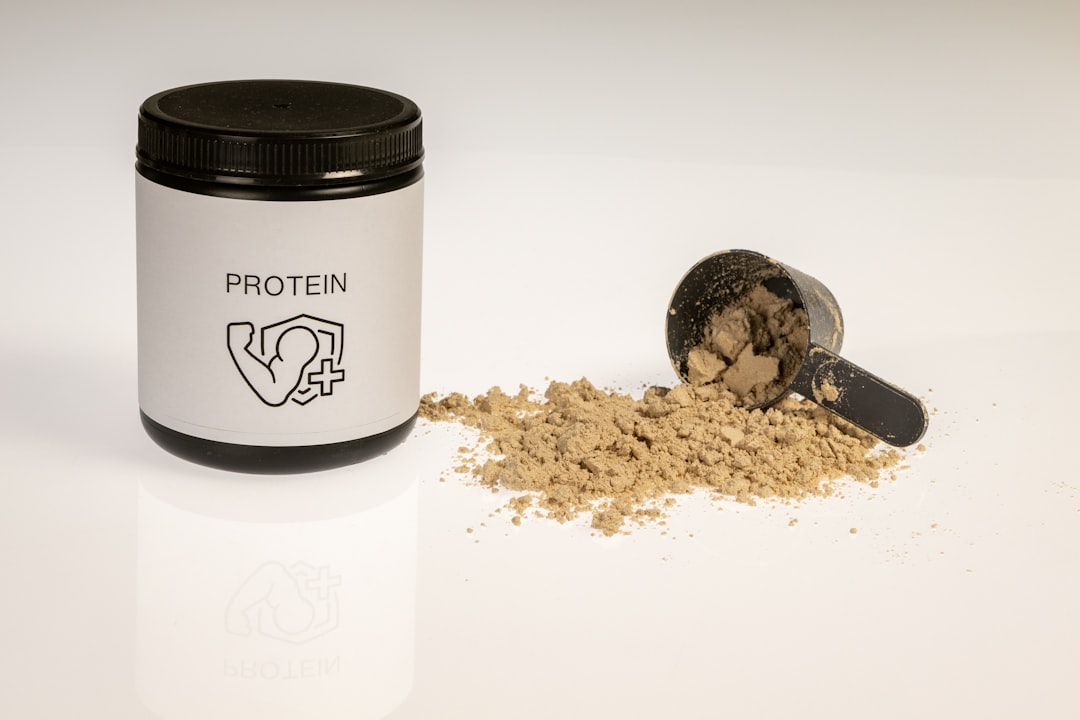
The diets react (see scores below)
Diet Ratings
Pea protein contains 1-2g net carbs per serving but is plant-based (less bioavailable than whey). Acceptable for keto but not optimal. Blending matters.
Carnivore/strict keto practitioners avoid plant proteins entirely; mainstream keto accepts pea protein as viable if carbs fit and used moderately.
Pea protein powder is derived from peas (legumes), a plant-based source. It contains no animal products or animal-derived ingredients. While processed, it is a legitimate vegan protein supplement.
Peas are legumes, explicitly excluded from paleo diet. Protein powder form is processed extraction.
Isolated protein supplement, not a whole food. However, peas are Mediterranean-approved legumes. Powder form removes fiber and whole-food context. Acceptable occasionally for convenience, but whole legumes preferred.
Some modern Mediterranean diet practitioners accept plant-based protein powders as convenient supplements for active individuals, particularly when whole food intake is insufficient.
Pea is a legume and plant-derived. Protein powder is processed plant product. Directly contradicts carnivore principle of excluding all plant foods and legumes.
Peas are legumes, and legumes are explicitly excluded for 30 days. Pea protein powder is a processed legume product.
Peas are high in GOS (galacto-oligosaccharides), a fermentable carbohydrate. Pea protein powder concentrates these FODMAPs. Not suitable for elimination phase.
Excellent plant-based protein source (20-25g per serving), low sodium, no added sugar (if unflavored), and supports DASH emphasis on legumes and plant proteins. Versatile for smoothies and cooking. Minimal processing concerns.
Lean plant-based protein (20-25g per scoop), low glycemic, minimal fat. Excellent for Zone smoothies paired with low-glycemic fruit, vegetables, and monounsaturated fat (almonds, olive oil). Supports anti-inflammatory profile.
Plant-based protein source with minimal processing, contains polyphenols and fiber. Supports anti-inflammatory diet without animal products. Neutral inflammatory profile when unsweetened. Good for smoothies with anti-inflammatory ingredients.
Clean protein source (20-25g per scoop), minimal fat, minimal carbs, plant-based, easily digestible. Pea protein is hypoallergenic and well-tolerated by most GLP-1 patients. Mixes easily into smoothies, oatmeal, or yogurt. Supports protein targets without adding volume or fat. No added sugar if unflavored. Essential tool for meeting 100-120g daily protein goal.
Nutritional profile
Six traits that cut across every diet.
Fiber & Plants
How much whole-plant food and fiber it delivers.
Healthy Fats
The quality of its fats (unsaturated, omega-3).
Whole / Unprocessed
How close it is to its natural, unprocessed form.
Gut Gentle
How easy it is on digestion (low FODMAP, few irritants).
Low Glycemic
How little it spikes your blood sugar.
Protein Density
How much protein it packs per calorie.
Controversy Index
Score range: 1–8/10. Higher controversy = more disagreement between diets.
Diet-Specific Tips for Pea protein powder
 Keto — 5/10
- 1-2g net carbs per serving
- lower bioavailability than animal protein
- plant-based source
- acceptable but not optimal
 Vegan — 8/10
- Plant-based protein
- Legume-derived
- No animal derivatives
- Processed but acceptable
 Mediterranean — 5/10
- Isolated nutrient
- Lacks fiber
- Processed form
- Whole legumes preferred
- Convenience factor
 DASH — 8/10
- High protein content
- Low sodium
- Plant-based legume source
- Minimal added ingredients
- Supports fiber intake when used in whole-food recipes
 Zone — 8/10
- high-quality lean protein
- low glycemic index
- plant-based
- minimal fat
- versatile for Zone meals
- minimal processing
 Anti-Inflammatory — 7/10
- plant-based protein
- minimal processing
- polyphenol content
- fiber retention
- no added sugar (if unsweetened)
 GLP-1 Friendly — 8/10
- high protein density
- low fat
- plant-based
- hypoallergenic
- versatile
- supports protein targets