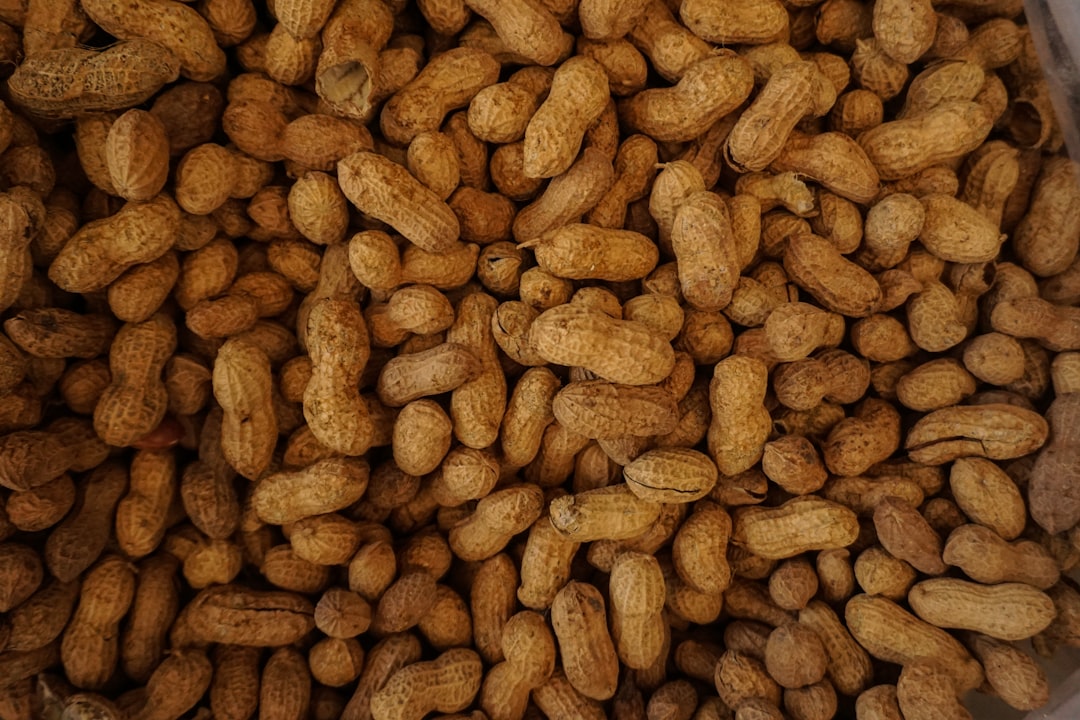
The diets react (see scores below)
Diet Ratings
Peanuts are technically legumes with ~5g net carbs per oz. While acceptable in moderation, they're higher-carb than tree nuts. Some strict keto practitioners avoid legumes entirely.
Strict/clinical keto protocols exclude peanuts as legumes with higher carb content and potential inflammatory properties; lazy keto practitioners include them freely.
Whole plant-based legumes. No animal products or derivatives. Excellent protein source.
Peanuts are legumes, not tree nuts, and explicitly excluded from paleo diet. High in omega-6 polyunsaturated fats and contain anti-nutrients (lectins, phytic acid). Universally avoided across all paleo schools.
Peanuts are not native to Mediterranean regions and are not traditional Mediterranean foods. While they contain healthy fats, they are not emphasized in authentic Mediterranean diet patterns.
Peanuts are legumes (plant-derived), not true nuts. Carnivore diet excludes all legumes and plant foods. No animal products.
Peanuts are legumes and are explicitly excluded from Whole30 for the entire 30-day period. This is a core program rule.
Peanuts are low-FODMAP per Monash University at standard serving sizes (approximately 23 peanuts or 1 ounce). They are suitable for elimination phase.
Legumes and nuts are core DASH foods. Peanuts provide potassium, magnesium, fiber, and unsaturated fats. Low sodium when unsalted. Excellent protein source.
Peanuts are technically legumes, not tree nuts, with ~50% fat (mostly monounsaturated) and ~7g protein per ounce. While acceptable in Zone, they contain higher omega-6 polyunsaturated fat (~15%) than preferred sources. Peanut butter works but requires careful portioning. Less ideal than almonds or hazelnuts but usable.
Peanuts (legumes, not true nuts) contain resveratrol and polyphenols but have elevated omega-6 content. Generally acceptable in moderation but not emphasized in anti-inflammatory pyramids. Aflatoxin contamination risk if not properly stored.
Some researchers highlight peanut polyphenols as beneficial; however, Dr. Weil emphasizes tree nuts and seeds over peanuts. AHA guidelines are neutral on peanuts for inflammation.
Peanuts provide 7g protein and 2.5g fiber per ounce, plus resveratrol and magnesium. However, 14g fat per ounce (161 calories) makes them calorie-dense. Unsaturated fat profile is favorable, and small portions can fit GLP-1 diets, but fat content may trigger nausea in sensitive patients.
Some GLP-1 RDs recommend peanuts as a convenient protein snack in 1-ounce portions; others limit them due to high fat density and risk of overconsumption despite reduced appetite, especially in peanut butter form.
Nutritional profile
Six traits that cut across every diet.
Fiber & Plants
How much whole-plant food and fiber it delivers.
Healthy Fats
The quality of its fats (unsaturated, omega-3).
Whole / Unprocessed
How close it is to its natural, unprocessed form.
Gut Gentle
How easy it is on digestion (low FODMAP, few irritants).
Low Glycemic
How little it spikes your blood sugar.
Protein Density
How much protein it packs per calorie.
Controversy Index
Score range: 1–9/10. Higher controversy = more disagreement between diets.
Diet-Specific Tips for Peanuts
 Keto — 6/10
- 5g net carbs per ounce
- Legume, not true nut
- Portion control recommended
 Vegan — 9/10
- 100% plant-based
- Whole food
- High protein
- No processing required
 Mediterranean — 4/10
- Not traditional Mediterranean food
- Non-native legume
- Modern addition to Mediterranean regions
- Acceptable as occasional snack but not core
 Low-FODMAP — 8/10
- Monash-tested low-FODMAP
- Safe at standard serving (~1 oz)
- No significant FODMAP content
 DASH — 8/10
- High in potassium and magnesium
- Good plant-based protein
- Unsaturated fat rich
- Low sodium (unsalted)
- Fiber content
 Zone — 6/10
- Legume, not tree nut
- Monounsaturated-dominant but omega-6 present
- Higher protein than most nuts
- Portion control essential
 Anti-Inflammatory — 6/10
- Resveratrol and polyphenols present
- Higher omega-6 fatty acids
- Aflatoxin contamination risk
- Legume classification
 GLP-1 Friendly — 6/10
- high fat per serving
- good protein density
- calorie-dense
- unsaturated fat profile favorable
- portion-sensitive
- convenient snack