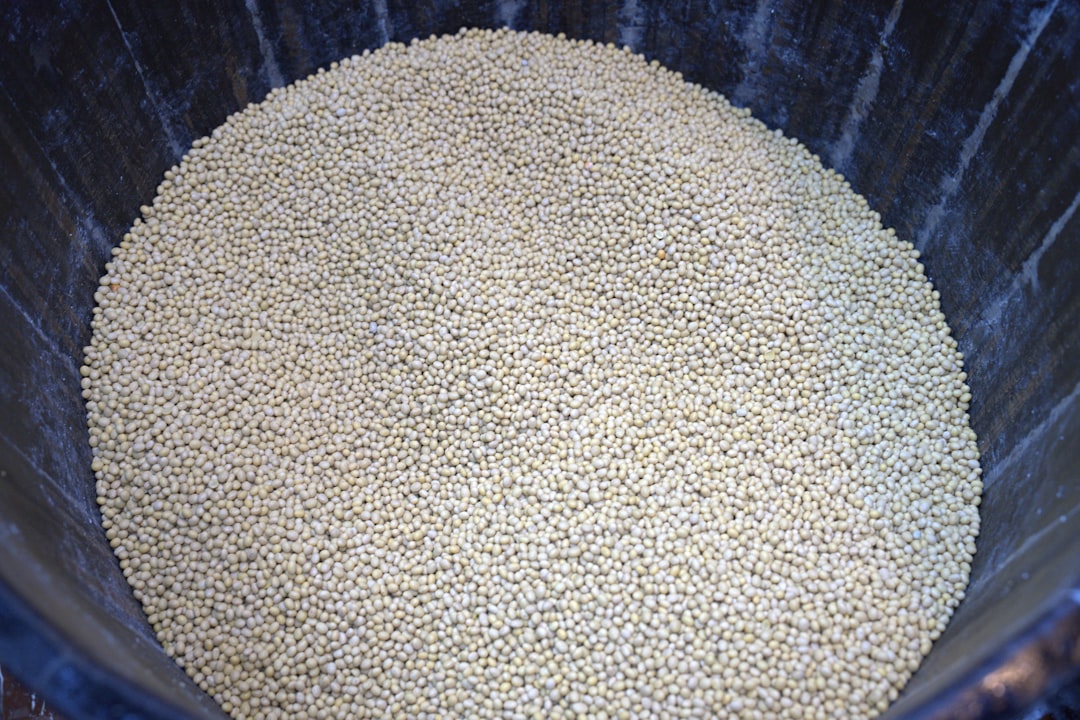
The diets react (see scores below)
Diet Ratings
Pearl couscous is a refined grain product with ~23g net carbs per 100g. A typical serving (50g) provides 11-12g net carbs. Completely incompatible with keto.
Plant-based grain product with no animal products or derivatives. Minimal processing. Good source of carbohydrates and some protein. Fully vegan-compliant.
Grain product (durum wheat semolina). Couscous is explicitly excluded from paleo diet. Processed grain with gluten.
Refined grain product, though couscous is traditional to North African Mediterranean cuisines. Pearl couscous is larger and slightly less processed than regular couscous. Whole grain alternatives would be superior, but acceptable in moderation.
Traditional Mediterranean cuisines, particularly Moroccan, Tunisian, and Algerian, feature couscous as a staple grain, making it culturally appropriate despite being refined.
Grain-based pasta product made from durum wheat. All grains are excluded from carnivore diet. Processed plant food with no animal products.
Couscous is a grain-based pasta product made from wheat. Grains are explicitly excluded, and couscous also violates the 'no recreating pasta/noodles' rule.
Pearl couscous is made from wheat and is high in fructans per Monash University. High-FODMAP at any reasonable serving size. No safe portion exists.
Refined grain, minimal fiber (2g per cup cooked), low sodium naturally. Inferior to whole grain alternatives like farro or quinoa. Acceptable in moderation but not preferred DASH grain.
Refined grain product (~23g net carbs per 45g dry). Minimal fiber. High glycemic index. Protein content low (~4g per serving). Macro ratio unfavorable for Zone (carb-dominant). Usable only as carb component with substantial protein/fat addition. Inferior to whole grains or legumes.
Refined grain product (durum wheat semolina) with moderate glycemic index. Lacks fiber and polyphenols of whole grains. Acceptable occasionally but inferior to whole grains (farro, quinoa, brown rice). Neutral inflammatory profile but not anti-inflammatory.
Some Mediterranean diet advocates include pearl couscous as acceptable refined grain. However, Dr. Weil's framework emphasizes whole grains; whole wheat couscous or ancient grains are preferable for anti-inflammatory benefits.
Refined grain with ~6g protein per cup cooked, but ~37g carbs per cup cooked and only ~2.2g fiber per cup. Calorie-dense (~176 cal per cup cooked) relative to protein and fiber. Low nutrient density per calorie. Acceptable in very small portions as a side, but not a priority food for GLP-1 patients with reduced appetite.
Nutritional profile
Six traits that cut across every diet.
Fiber & Plants
How much whole-plant food and fiber it delivers.
Healthy Fats
The quality of its fats (unsaturated, omega-3).
Whole / Unprocessed
How close it is to its natural, unprocessed form.
Gut Gentle
How easy it is on digestion (low FODMAP, few irritants).
Low Glycemic
How little it spikes your blood sugar.
Protein Density
How much protein it packs per calorie.
Controversy Index
Score range: 1–8/10. Higher controversy = more disagreement between diets.
Diet-Specific Tips for Pearl couscous
 Vegan — 8/10
- 100% plant-based
- Whole grain product
- No animal-derived ingredients
- Minimal processing
 Mediterranean — 6/10
- Refined grain
- Traditional in North African Mediterranean
- Whole grain alternatives preferable
- Acceptable in moderation
 DASH — 5/10
- Refined grain
- Low fiber content
- Low sodium
- Whole grain alternatives preferred
 Zone — 4/10
- refined grain
- high glycemic index
- low fiber
- minimal protein
- poor Zone macro fit
 Anti-Inflammatory — 5/10
- refined grain
- moderate glycemic index
- low fiber
- minimal polyphenols
- whole grain alternatives superior
- acceptable in moderation
 GLP-1 Friendly — 4/10
- refined grain
- moderate protein
- high carbohydrate content
- low fiber
- calorie-dense relative to nutrition