The diets react (see scores below)
Diet Ratings
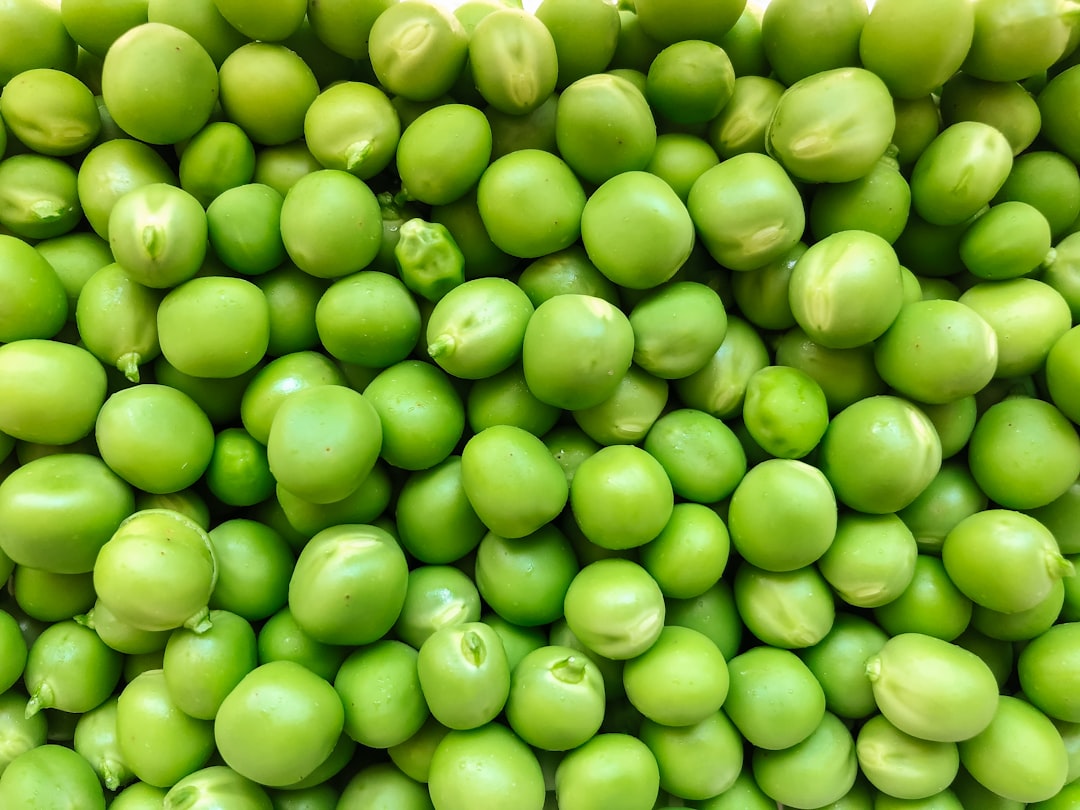
Peas contain 11g net carbs per 100g. Even modest portions (50g) provide 5.5g net carbs. They are legumes with significant carbohydrate content, incompatible with strict keto macros.
Whole plant food, legume with no animal products or derivatives. Excellent protein and fiber source.
Legume excluded from paleo diet. Contains lectins, phytic acid, and other anti-nutrients that inhibit nutrient absorption. Not available to Paleolithic humans in significant quantities.
Legume-vegetable hybrid rich in plant-based protein and fiber. Traditional in Mediterranean cuisine. Nutrient-dense with good satiety. Minimal processing when fresh or frozen without additives.
Legume derived from plants. Contains plant proteins, carbohydrates, and plant compounds. Explicitly excluded from carnivore diet.
Peas are legumes and explicitly excluded from Whole30. Green beans, sugar snap peas, and snow peas are exceptions, but regular peas are not permitted.
Peas are high in GOS (galacto-oligosaccharides) at any reasonable serving size per Monash University. Legumes are a primary FODMAP source and should be avoided during elimination phase.
Legume-vegetable hybrid with good protein and fiber but higher carbohydrate content. Low sodium, contains potassium. Acceptable in moderation as part of DASH diet.
Legume with moderate net carbs (~7g per 100g) and moderate glycemic index (~51). Can be used in Zone meals but should be portioned carefully and not relied upon as primary vegetable. Better low-glycemic alternatives available.
Legume with good protein, fiber, and polyphenols. Contains anti-inflammatory compounds. Supports plant-based protein intake. Whole legumes are emphasized in anti-inflammatory pyramid.
Good plant-based protein source with decent fiber, but higher in carbohydrates and natural sugars than non-starchy vegetables. Acceptable in moderation as part of a balanced meal, but portion control is important for calorie management.
Nutritional profile
Six traits that cut across every diet.
Fiber & Plants
How much whole-plant food and fiber it delivers.
Healthy Fats
The quality of its fats (unsaturated, omega-3).
Whole / Unprocessed
How close it is to its natural, unprocessed form.
Gut Gentle
How easy it is on digestion (low FODMAP, few irritants).
Low Glycemic
How little it spikes your blood sugar.
Protein Density
How much protein it packs per calorie.
Controversy Index
Score range: 1–9/10. Higher controversy = more disagreement between diets.
Diet-Specific Tips for Peas
 Vegan — 9/10
- 100% plant-based
- Whole food
- High protein
- High fiber
 Mediterranean — 8/10
- plant-based protein source
- high in fiber
- traditional Mediterranean ingredient
- good nutrient density
 DASH — 6/10
- Low sodium
- Good protein and fiber
- Higher carbohydrate content
- Portion control recommended
 Zone — 5/10
- Moderate carb content
- Moderate glycemic index
- Legume (higher carb than non-starchy vegetables)
- Requires portion control
 Anti-Inflammatory — 7/10
- Plant-based protein
- Fiber
- Polyphenols
- Low omega-6
- Legume category
 GLP-1 Friendly — 6/10
- good plant protein
- good fiber
- higher carbohydrate content
- higher natural sugar
- portion-sensitive