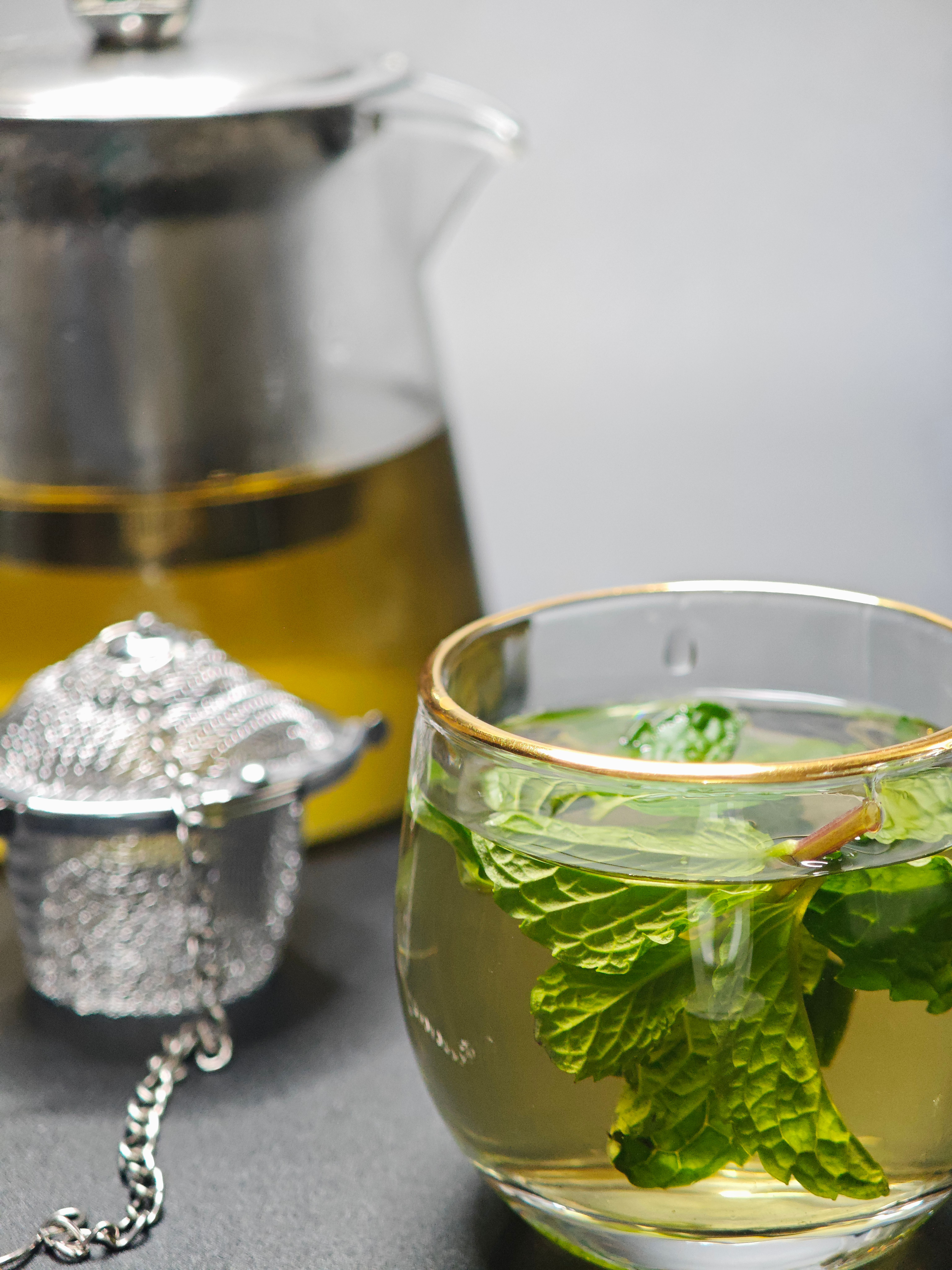
The diets react (see scores below)
Diet Ratings
Herbal tea with essentially zero carbs, zero sugar, zero calories when brewed plain. Provides hydration and flavor without impacting macros. Excellent keto beverage choice.
Pure peppermint tea is a whole plant food with no animal products or derivatives. Minimally processed dried herb.
Peppermint tea is an herbal infusion from dried peppermint leaves. Herbs and spices are explicitly paleo-approved. It contains no additives, sugar, or processing beyond drying, making it an excellent paleo beverage.
Herbal tea with no added sugars, minimal processing, and traditional use in Mediterranean regions. Supports hydration and digestive health without calories or processed ingredients.
Plant-derived beverage made from peppermint leaves. Contains plant compounds and volatile oils. Directly violates carnivore exclusion of all plant foods including herbs and spices.
Peppermint tea is a whole herb infusion with no added ingredients. It is a natural, unprocessed beverage that complies with Whole30 when consumed without added sugar or sweeteners.
Pure peppermint tea (steeped leaves) is low-FODMAP. Monash confirms peppermint as low-FODMAP. No added sweeteners or milk needed. Plain herbal infusion with no fermentable compounds.
Caffeine-free herbal tea with no sodium, sugar, or calories. Supports hydration without added ingredients. Aligns perfectly with DASH emphasis on water and unsweetened beverages.
Zero calories, zero macronutrients. Herbal tea with anti-inflammatory polyphenols and digestive benefits. Does not impact Zone ratios. Excellent beverage choice for hydration without glycemic load. Supports anti-inflammatory principles.
Peppermint contains menthol and polyphenols with anti-inflammatory and antispasmodic properties. Supports digestive health and reduces inflammatory markers. Caffeine-free option aligns with anti-inflammatory beverage guidance.
Herbal tea with zero calories, excellent hydration support (critical for GLP-1 patients with reduced thirst), and peppermint has documented benefits for GI comfort and digestion. Supports satiety without displacing nutrient-dense foods. No sugar, no caffeine concerns (unlike black/green tea), and actively soothes nausea and bloating — common GLP-1 side effects.
Nutritional profile
Six traits that cut across every diet.
Fiber & Plants
How much whole-plant food and fiber it delivers.
Healthy Fats
The quality of its fats (unsaturated, omega-3).
Whole / Unprocessed
How close it is to its natural, unprocessed form.
Gut Gentle
How easy it is on digestion (low FODMAP, few irritants).
Low Glycemic
How little it spikes your blood sugar.
Protein Density
How much protein it packs per calorie.
Controversy Index
Score range: 2–9/10. Higher controversy = more disagreement between diets.
Diet-Specific Tips for Peppermint tea
 Keto — 9/10
- 0g net carbs
- 0g sugar
- Zero calories
- Aids digestion
 Vegan — 9/10
- Whole plant food
- No animal products
- Minimal processing
- Natural herb
 Paleo — 9/10
- Herbal
- Unprocessed
- No additives
- Digestive benefits
 Mediterranean — 8/10
- Minimally processed
- No added sugars
- Traditional herbal beverage
- Digestive benefits
- Zero calories
 Whole30 — 9/10
- Whole herb
- No added ingredients
- Natural beverage
 Low-FODMAP — 9/10
- Pure herb infusion
- No fermentable carbohydrates
- Monash-tested and approved
 DASH — 9/10
- Zero sodium
- No added sugar
- Calorie-free
- Supports hydration
 Zone — 9/10
- Zero glycemic impact
- Polyphenol content
- Anti-inflammatory properties
- Supports hydration
- No macronutrient interference
 Anti-Inflammatory — 8/10
- menthol (anti-inflammatory)
- polyphenols
- supports digestive function
- caffeine-free
- no added sugars
 GLP-1 Friendly — 8/10
- zero calories
- hydration support
- GI comfort benefit
- no caffeine
- aids digestion