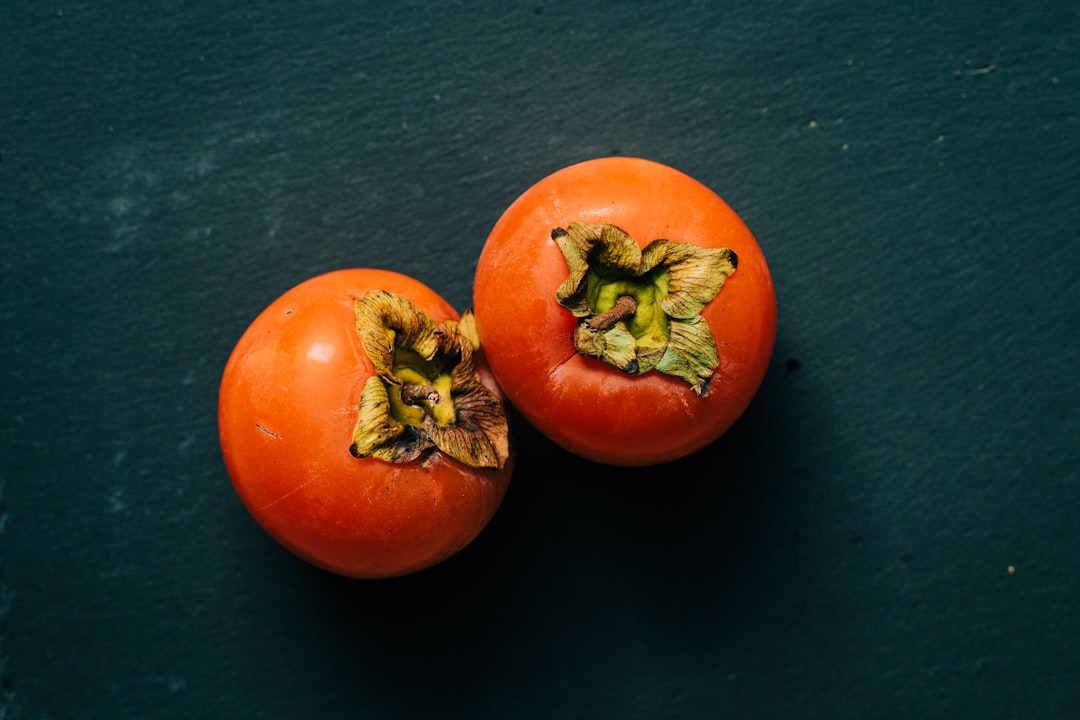
The diets react (see scores below)
Diet Ratings
Very high in carbohydrates with approximately 18g net carbs per 100g. One medium persimmon contains 24g carbs, far exceeding daily keto limits. Incompatible with ketogenic diet.
Persimmon is a whole fruit. Plant-based with no animal products or derivatives. Fully vegan-compliant.
Persimmon is an unprocessed fruit rich in vitamin C, fiber, and antioxidants. It was available to hunter-gatherers and is fully paleo-compliant, though higher in natural sugars than some fruits.
Fruit rich in vitamins A and C, fiber, and antioxidants. Grown in Mediterranean regions, particularly Spain and Italy. Fits well within Mediterranean emphasis on whole fruits consumed daily.
Persimmon is a fruit, plant-derived and explicitly excluded from carnivore diet. Contains plant compounds, fiber, and high sugar content incompatible with carnivore principles.
Persimmon is a whole, unprocessed fruit that is explicitly compliant with Whole30. It is nutrient-dense and can be consumed freely as part of a balanced diet.
Persimmons contain moderate fructose and sorbitol (a polyol). Monash testing indicates persimmons are high-FODMAP at typical fruit portions. Only very small amounts (approximately 30-50g or less than half a fruit) may be tolerated during elimination phase.
Monash University rates persimmons as high-FODMAP due to sorbitol and fructose content. Clinical FODMAP practitioners generally recommend avoidance during elimination phase, though some individuals may tolerate small portions during reintroduction.
Low-sodium fruit (<2mg per medium fruit), excellent fiber (6g per fruit), potassium (270mg per fruit), and vitamin C. Core DASH fruit. Natural sugars present but offset by fiber content and micronutrient density.
Higher glycemic index (~55) and higher sugar content (~18g carbs per 100g) than Zone-preferred fruits. Requires strict portioning. Dr. Sears generally recommends lower-glycemic fruits (berries, citrus). Persimmons are borderline acceptable only in very small portions.
Some practitioners accept small persimmon portions (1/4 fruit) as occasional carb block due to fiber. Dr. Sears' published guidance prioritizes berries and grapefruit over higher-GI fruits.
Colorful fruit high in antioxidants, polyphenols, and vitamin C. Contains tannins with anti-inflammatory properties. Moderate natural sugars. Supports antioxidant status and cardiovascular health.
Persimmons are moderate in calories (95 per medium fruit) and contain natural sugars (25g per fruit), which is relatively high. Provide fiber (6g per fruit) and vitamin C. However, the sugar-to-fiber ratio is less favorable than other fruits, and the soft texture does not promote satiety through chewing. Best consumed in small portions with protein. Individual tolerance to fruit sugars varies significantly.
Some GLP-1 RDs recommend avoiding persimmons due to higher sugar content and lower satiety benefit; others view them as acceptable in small portions given their fiber content. Tolerance depends on individual blood sugar sensitivity and whether the patient is in early vs. later stages of GLP-1 therapy.
Nutritional profile
Six traits that cut across every diet.
Fiber & Plants
How much whole-plant food and fiber it delivers.
Healthy Fats
The quality of its fats (unsaturated, omega-3).
Whole / Unprocessed
How close it is to its natural, unprocessed form.
Gut Gentle
How easy it is on digestion (low FODMAP, few irritants).
Low Glycemic
How little it spikes your blood sugar.
Protein Density
How much protein it packs per calorie.
Controversy Index
Score range: 1–10/10. Higher controversy = more disagreement between diets.
Diet-Specific Tips for Persimmon
 Vegan — 9/10
- Whole fruit
- Plant-based
- No processing
 Paleo — 8/10
- Unprocessed fruit
- Nutrient-dense
- Vitamin C rich
- Higher natural sugar content
- No additives
 Mediterranean — 8/10
- High vitamin A
- High fiber
- Mediterranean grown
- Antioxidant rich
 Whole30 — 10/10
- whole food
- fruit
- unprocessed
- nutrient-dense
 Low-FODMAP — 5/10
- High sorbitol content (polyol)
- Moderate fructose content
- Dose-dependent FODMAP status
 DASH — 8/10
- Sodium: <2mg per fruit
- Fiber: 6g per fruit
- Potassium: 270mg per fruit
- Natural sugars: 18-20g per fruit
 Zone — 4/10
- Higher glycemic index
- Higher sugar content
- Requires strict portioning
- Fiber present
- Not preferred Zone fruit
 Anti-Inflammatory — 7/10
- antioxidants
- polyphenols
- tannins
- vitamin C
- moderate natural sugars
 GLP-1 Friendly — 5/10
- moderate calories
- high natural sugars
- good fiber
- low protein
- soft texture (low satiety)
- portion-dependent