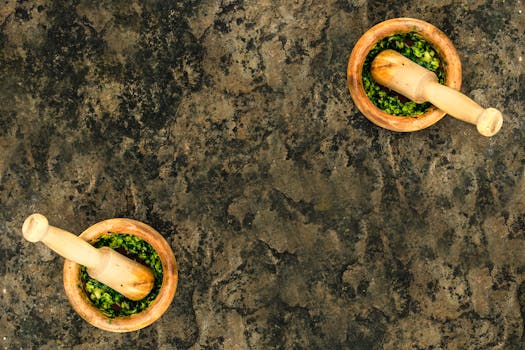
The diets react (see scores below)
Diet Ratings
Traditional pesto (basil, garlic, pine nuts, olive oil, parmesan) is high-fat, low-carb (1-2g net carbs per 2 tbsp). Excellent keto condiment.
Traditional pesto contains Parmesan cheese and sometimes anchovies. Vegan pesto substitutes cheese with nutritional yeast or nuts, but traditional versions are non-vegan.
Some vegans consider any pesto labeled 'traditional' inherently non-vegan and avoid the category entirely, even when plant-based versions are available.
Traditional pesto (basil, garlic, pine nuts, olive oil, lemon) contains only paleo-approved ingredients. Avoid versions with cheese, refined oils, or additives.
Traditional Mediterranean sauce made with basil, garlic, nuts, and extra virgin olive oil. Exemplifies Mediterranean diet principles with whole food ingredients and healthy fats. Minimal processing when homemade.
Pesto is primarily basil (herb/plant), pine nuts (seeds), and plant oil, all excluded from carnivore diet.
Traditional pesto made with basil, garlic, pine nuts, olive oil, and salt is fully compliant. No excluded ingredients when dairy-free versions are used.
Traditional pesto contains garlic and often onion, both high-FODMAP. Even small servings contain significant FODMAP load.
Contains heart-healthy olive oil, nuts, and herbs (potassium-rich basil). However, typically high in sodium (200-400mg per 2 tbsp) and calories. Use sparingly as flavoring.
Traditional pesto (basil, garlic, pine nuts, olive oil, parmesan) provides monounsaturated fat and polyphenols. However, high caloric density (100+ cal per 2 tbsp) requires strict portioning. Parmesan adds minimal carbs. Works as fat/protein component but must be measured carefully.
Basil is a potent anti-inflammatory herb rich in polyphenols. Extra virgin olive oil provides omega-3s and polyphenols. Garlic and nuts add additional anti-inflammatory compounds. Minimal processing and no added sugars.
Pesto contains protein (pine nuts, cheese, basil) and healthy fats (olive oil), but is high in total fat (9-10g per 2 tbsp). Can be used sparingly as a flavor enhancer on lean proteins or vegetables, but the fat content may trigger nausea or bloating if consumed in larger amounts. Individual tolerance varies significantly.
Some RDs recommend pesto in moderation (1-2 tbsp) for its nutrient density and omega-3 content from pine nuts; others suggest avoiding it due to high fat density and potential to worsen GI symptoms.
Nutritional profile
Six traits that cut across every diet.
Fiber & Plants
How much whole-plant food and fiber it delivers.
Healthy Fats
The quality of its fats (unsaturated, omega-3).
Whole / Unprocessed
How close it is to its natural, unprocessed form.
Gut Gentle
How easy it is on digestion (low FODMAP, few irritants).
Low Glycemic
How little it spikes your blood sugar.
Protein Density
How much protein it packs per calorie.
Controversy Index
Score range: 1–9/10. Higher controversy = more disagreement between diets.
Diet-Specific Tips for Pesto
 Keto — 8/10
- High fat from nuts and oil
- 1-2g net carbs per serving
- Whole food ingredients
 Vegan — 4/10
- Traditional contains Parmesan
- May contain anchovies
- Vegan versions use nutritional yeast or nuts
- Label reading critical
 Paleo — 8/10
- whole food ingredients
- olive oil base
- nuts and herbs approved
- verify no dairy or seed oils
 Mediterranean — 9/10
- extra virgin olive oil base
- whole food ingredients
- traditional Mediterranean
- nutrient-dense herbs and nuts
- minimal added sugars
 Whole30 — 9/10
- Whole food ingredients
- Herbs and natural fats
- No added sugar
 DASH — 5/10
- Olive oil provides healthy fats
- Herbs add potassium
- Moderate sodium content
- High caloric density
 Zone — 6/10
- Monounsaturated fat from olive oil and nuts
- Anti-inflammatory polyphenols
- High caloric density
- Minimal carbs if traditional recipe
 Anti-Inflammatory — 9/10
- basil rich in polyphenols
- extra virgin olive oil base
- garlic anti-inflammatory properties
- nuts provide healthy fats
- no added sugars or additives
 GLP-1 Friendly — 5/10
- high fat (mostly unsaturated)
- contains protein and minerals
- flavor-enhancer role limits portion size naturally
- individual GI tolerance varies