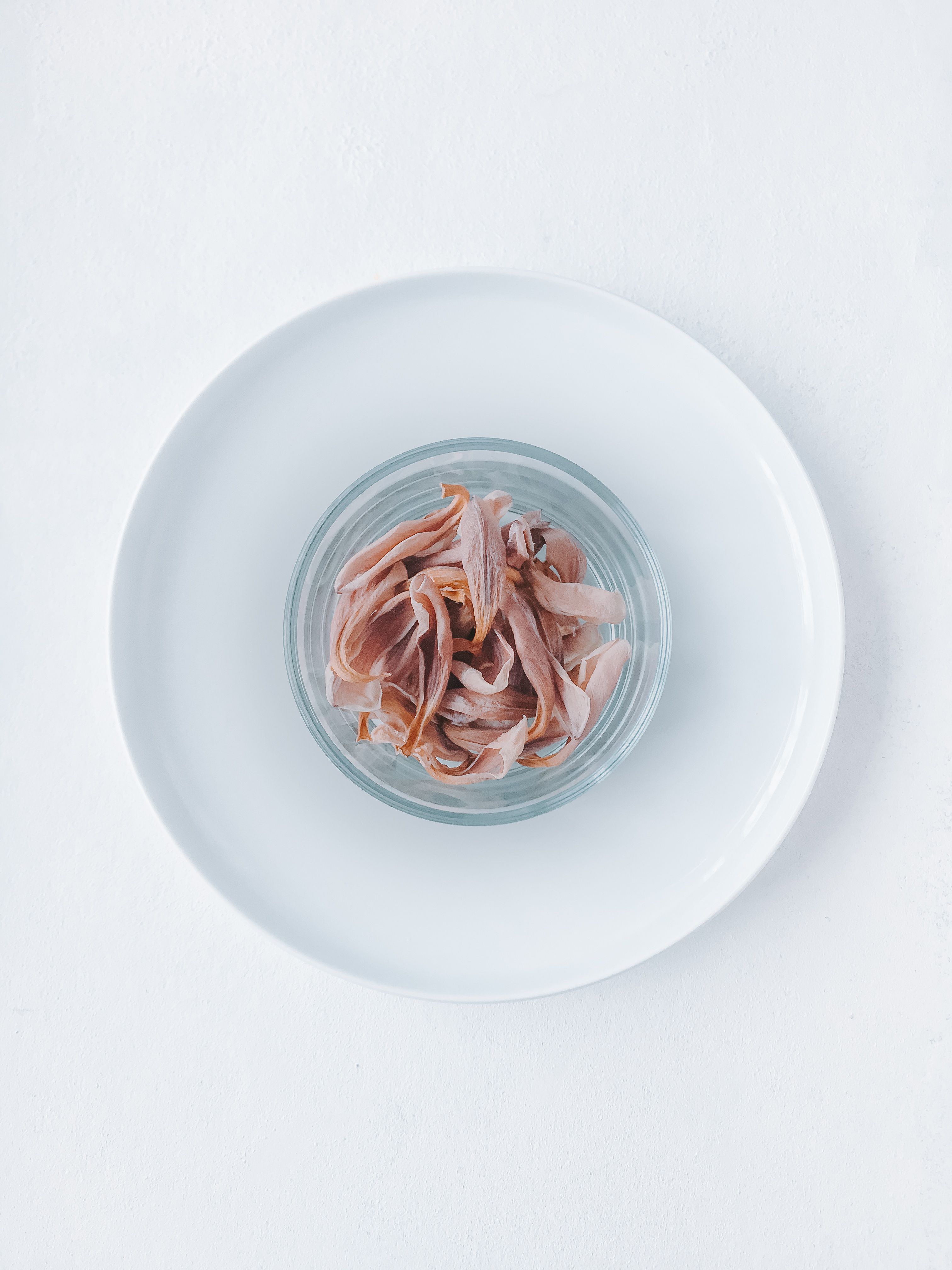
The diets react (see scores below)
Diet Ratings
Pickled ginger typically contains 3-5g net carbs per ounce (28g), primarily from added sugars in the pickling brine. Small portions (1-2 teaspoons, ~5g) deliver <1g net carbs and are manageable. Homemade versions with minimal sugar are preferable to commercial varieties.
Strict keto practitioners avoid pickled ginger due to added sugars, preferring fresh ginger in small amounts or sugar-free pickled versions made at home.
Ginger, vinegar, salt, and sugar. Fully plant-based. Some brands may use food coloring; check label.
Ginger itself is paleo-approved, but pickling typically involves added sugar and salt. Fermented versions without added sugar are acceptable; commercial pickled ginger usually contains refined sugar and vinegar with additives. Quality depends heavily on preparation method.
Some paleo practitioners accept traditionally fermented pickled ginger (lacto-fermented) as a probiotic food, arguing fermentation and minimal processing align with ancestral food preservation. Others exclude all pickled products due to salt and vinegar content.
While ginger is beneficial, commercial pickled ginger typically contains added sugars and sodium for preservation. Can be used sparingly as a condiment, but not a core Mediterranean food.
Some Mediterranean regions have pickling traditions, and homemade pickled ginger with minimal sugar could align with principles better than commercial versions.
Ginger is plant-derived root. Pickling brine typically contains sugar and vinegar (plant-derived). Violates carnivore exclusion of all plant foods.
Pickled ginger is typically preserved with added sugar and vinegar. The added sugar disqualifies it from Whole30 compliance.
Ginger root itself is low-FODMAP, but pickling brine may contain garlic, onion, or excess sugar. Monash has tested fresh ginger as low-FODMAP, but pickled versions vary by brand. Small amounts (1-2 teaspoons) are likely safe; larger servings depend on brine composition.
Monash University rates fresh ginger as low-FODMAP, but pickled ginger testing is limited. Clinical practitioners recommend small portions and checking ingredient lists for garlic/onion in the brine.
Contains beneficial ginger but typically high in sodium (200-400mg per ounce) and added sugar. Acceptable in very small amounts as a condiment. Check labels for sodium content.
NIH DASH guidelines restrict high-sodium condiments; however, some clinicians argue that small amounts of pickled ginger (1 teaspoon) can enhance flavor without meaningful sodium impact when used strategically.
Pickled ginger contains ginger (anti-inflammatory), but is preserved in sugar and vinegar. ~1 oz serving contains ~4-5g carbs, negligible protein/fat. Anti-inflammatory benefits offset by added sugar. Acceptable as small condiment; problematic if consumed in larger quantities.
Some practitioners count pickled ginger's carbs strictly; others treat it as a negligible condiment. Sears emphasizes whole ginger as anti-inflammatory but doesn't specifically address pickled preparations.
Ginger is strongly anti-inflammatory, but pickling process adds vinegar and often sugar. Acceptable as condiment in small amounts. Fresh ginger is superior for anti-inflammatory benefits.
Fermentation and vinegar in pickling may provide additional probiotic benefits. However, added sugars in most commercial versions are concerning.
Low calorie (5 calories per tablespoon), ginger may aid digestion and reduce nausea. However, high sodium and added sugars. Beneficial in small amounts as a digestive aid and flavor enhancer for protein dishes.
Nutritional profile
Six traits that cut across every diet.
Fiber & Plants
How much whole-plant food and fiber it delivers.
Healthy Fats
The quality of its fats (unsaturated, omega-3).
Whole / Unprocessed
How close it is to its natural, unprocessed form.
Gut Gentle
How easy it is on digestion (low FODMAP, few irritants).
Low Glycemic
How little it spikes your blood sugar.
Protein Density
How much protein it packs per calorie.
Controversy Index
Score range: 2–8/10. Higher controversy = more disagreement between diets.
Diet-Specific Tips for Pickled ginger
 Keto — 5/10
- 3-5g net carbs per ounce
- Added sugars in brine
- Small portions manageable
- Homemade versions lower-carb
 Vegan — 8/10
- plant-based
- minimal processing
- check for artificial additives
 Paleo — 5/10
- added sugar in most commercial versions
- salt content
- fermentation method variability
- vinegar type
- additive risk
 Mediterranean — 5/10
- Added sugars in commercial versions
- High sodium
- Small portion use
- Condiment role
 Low-FODMAP — 5/10
- Ginger root is low-FODMAP
- Pickling brine composition varies by brand
- Potential garlic or onion in brine
- Serving size critical (1-2 teaspoons safe)
 DASH — 5/10
- Moderate to high sodium
- Added sugar
- Beneficial ginger compounds
- Minimal portion recommended
- Label variation significant
 Zone — 5/10
- Added sugar in pickling brine
- Anti-inflammatory ginger root
- Minimal protein/fat
- Portion size critical
 Anti-Inflammatory — 6/10
- Ginger's anti-inflammatory properties
- Added sugars in pickling
- Vinegar fermentation benefits
- Best used as small condiment
- Fresh ginger preferable
 GLP-1 Friendly — 6/10
- potential digestive benefit
- high sodium
- added sugars
- low calorie per serving
- portion-dependent