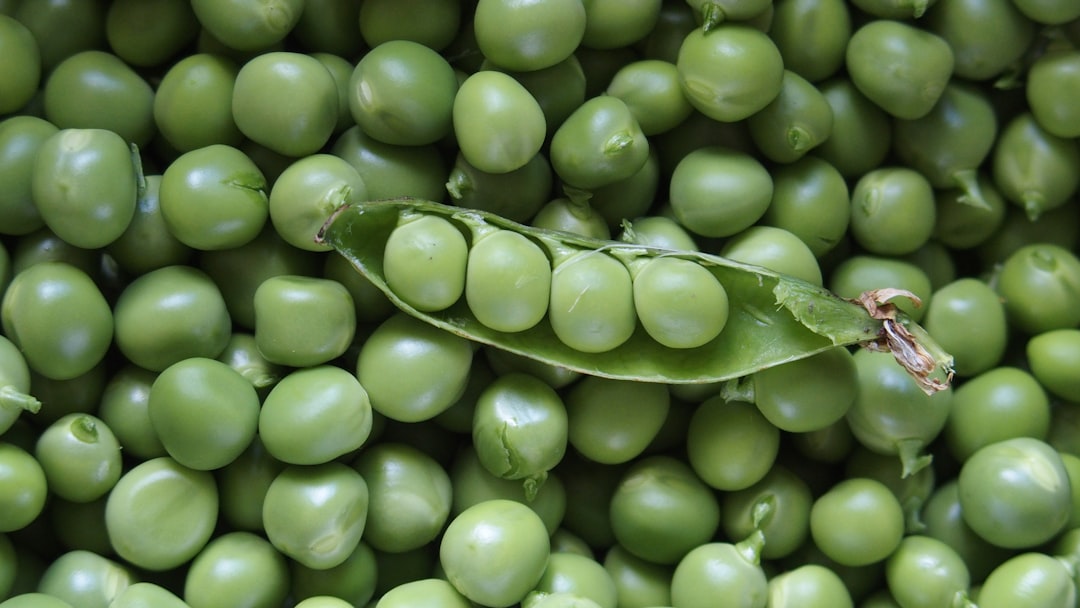
The diets react (see scores below)
Diet Ratings
Pigeon peas contain approximately 22g net carbs per 100g cooked. Even small portions (½ cup ~100g) deliver 11g net carbs. As a legume, they are fundamentally incompatible with ketogenic targets and will disrupt ketosis.
Whole plant legume, excellent protein source, unprocessed, fully plant-based.
Pigeon peas are legumes, fundamentally incompatible with paleo principles. Contain anti-nutrients (lectins, phytates) that interfere with nutrient bioavailability and intestinal health.
Legumes are a Mediterranean diet staple. Pigeon peas provide excellent plant-based protein and fiber. While more common in some Mediterranean regions than others, they align perfectly with core principles.
Legume/pulse crop, plant-derived. Excluded from carnivore diet. High carbohydrate and antinutrient content.
Pigeon peas are legumes and explicitly excluded from Whole30 for the full 30 days.
Pigeon peas are legumes with high GOS content. Monash University classifies legumes as high-FODMAP during the elimination phase regardless of serving size.
Core DASH legume. Excellent source of fiber, plant protein, potassium, magnesium, and folate. Low sodium in unsalted form. Supports blood pressure management and cardiovascular health.
Similar to black lentils: legume with ~15g carbs and 5g protein per half-cup cooked. Moderate glycemic index but carb-dominant macronutrient profile. Requires pairing with lean protein and monounsaturated fat to achieve Zone ratios.
Legume with strong anti-inflammatory profile. Good protein, fiber, and micronutrients. Slightly less studied than common beans but consistent with legume benefits.
Strong protein (15g per cooked cup), good fiber (11g per cup), low fat, nutrient-dense. Slightly lower protein density than lentils but still excellent GLP-1 companion food.
Nutritional profile
Six traits that cut across every diet.
Fiber & Plants
How much whole-plant food and fiber it delivers.
Healthy Fats
The quality of its fats (unsaturated, omega-3).
Whole / Unprocessed
How close it is to its natural, unprocessed form.
Gut Gentle
How easy it is on digestion (low FODMAP, few irritants).
Low Glycemic
How little it spikes your blood sugar.
Protein Density
How much protein it packs per calorie.
Controversy Index
Score range: 1–9/10. Higher controversy = more disagreement between diets.
Diet-Specific Tips for Pigeon peas
 Vegan — 9/10
- whole food
- legume
- high protein
- traditional staple
 Mediterranean — 8/10
- Legume category
- Plant-based protein
- High fiber
- Whole food
 DASH — 9/10
- High fiber
- Plant-based protein
- Rich in potassium and magnesium
- Low sodium when unsalted
- Supports healthy lipid profile
 Zone — 5/10
- Legume carb source, not primary protein
- Incomplete amino acid profile
- Moderate fiber content
- Portion control essential
 Anti-Inflammatory — 8/10
- Legume family benefits
- Fiber and protein
- Micronutrient density
- Low inflammatory load
 GLP-1 Friendly — 8/10
- high protein per calorie
- good fiber content
- low fat
- nutrient-dense
- easy to digest